
All posts by Shillpi A Singh

Unknown's avatar

About Shillpi A Singh

क़लम मज़दूर | Commspreneur | Recipient of the IIMCAA Award for Public Relations Person of the Year 2024 | Canva's Top 10 Social Media Creator for 2023 | Work-in-Progress

Philips India Sleep Survey 2021 reveals that Indian adults slept more during the COVID-19 pandemic

World Sleep Day 2021: The report focuses on the impact of the COVID-19 pandemic on sleep health as well as the increase in adoption of digital health technologies.

New Delhi, March 19, 2021: Royal Philips, a global leader in health technology, recently released the findings of the India Sleep Survey Report titled ‘Philips Global Sleep Survey 2021’. The report focuses on the impact of the COVID19 pandemic on sleep health as well as the increase in adoption of digital health technologies. Highlighting the importance of digital health technologies, 60% of the Indians said that they have used or are willing to use telehealth for sleep-related concerns.

The report highlighted that since the start of the COVID-19 pandemic, Indian adults experienced new sleep challenges like difficulty falling asleep (37%), difficulty staying asleep (27%), and waking up during the night (39%).

The survey also focused on the adverse effects that sleep apnea has on patients. The study reported that 80% of patients with sleep apnea experience daytime drowsiness while only 52% of those who do not have sleep apnea experience the same. 47% of the participants also said that sleep apnea is impacting their relationships. With symptoms like unwarranted daytime sleepiness and trouble in concentrating, sleep apnea impacts productivity and overall quality of life. Sleep apnea can also lead to graver health issues including cardiac conditions, strokes, neurological disorders, diabetes, high blood pressure, obesity as has been noted in widely referenced clinical research papers

Philips also announced the launch of its Care Orchestrator Sleep and Respiratory Care Management system today. The system enables clinicians and healthcare institutions to drive superior health outcomes by remotely monitoring and managing all sleep apnea and respiratory patients with a single system.

Chhitiz Kumar, Business Leader, Precision Diagnosis and Connected Care, Philips Indian Subcontinent, said “The COVID-19 pandemic has had a profound impact on everyone’s lives. With everyone now adapting to the new normal, both healthcare providers and patients have a critical role to play in transforming the way healthcare is delivered. The increase in adoption of digital technologies such as telehealth for treatment of sleep related disorders from patient side is a positive change that must be welcomed and encouraged. Philips Care Orchestrator Sleep and Respiratory Care Management system is one such breakthrough solution that will enable healthcare institutions and practitioners to remotely monitor and manage all their sleep apnea and respiratory patients with a single system. As we head into the next decade, Philips is focused on designing a future where technology leveraged across the entire sleep ecosystem can help people get the most out of their lives.”

Dr. J.C. Suri, Director and Head, Department of Pulmonary, Critical Care and Sleep Medicine, Fortis Flt. Lt. Rajan Dhall Hospital, Vasant Kunj, New Delhi and Founder, President and Chairman, Indian Sleep Disorders Association, highlighted that “sleep is an important component of our daily lives. It has profound impact on our physical and mental wellbeing. I have seen a steady improvement in awareness about sleep disorders such as sleep apnea in the last decade. However, we still have a long way to go in increasing seriousness towards diagnosing and treating this disorder. Brands like Philips and the physician community have an important role to play in this regard. While brands work on sensitizing people towards sleep apnea, it is also vital to equip physicians with the right know-how to screen, diagnose and treat sleep disorders in general and sleep apnea in particular. Only then we would be able to bring significant improvement in the sleep health of India.”

As part of its overall initiatives to combat sleep disorders and sleep apnea in particular, Philips announced in October 2020 launch of first-of-its-kind six-month online certified comprehensive Sleep Medicine Course. The course is being organized in collaboration with Academy of Pulmonary Critical Care and Sleep Medicine (APCCSM) and under the aegis of Indian Sleep Disorders Association (ISDA). Designed to augment the gap in medical education in sleep care, the inaugural batch of the course commenced on March 2, 2021 with more than 70 doctors being trained under the able guidance of Dr. J.C. Suri. Philips also launched a dedicated sleep helpline (1800 258 7678) and Home Sleep Test Solution to enhance access to care for patients suffering from sleep disorders in October 2020.

The company has also trained more than 500 sleep technicians and guided the launch of more than 850 sleep labs in the country till date.

As an industry leader and innovator in sleep and respiratory care, Philips is deeply rooted in its commitment to developing clinically proven solutions that help people take control of their sleep health. Philips aims to provide solutions that meet the growing and evolving needs of consumers and healthcare professionals alike. In line with its focus on offering quality, accessible and value-based care, the company also provides ‘No-cost EMI’ offer on its products under the Respironics range of sleep and respiratory solutions.

Key Findings of Philips India Sleep Survey 2021

  1. 67% of Indian adults say they are completely or somewhat satisfied with their sleep, and 25% say they are somewhat or entirely dissatisfied.
  2. 54% of Indian adults report that the amount of time spent fully asleep has increased since the start of the COVID-19 pandemic, and 18-34-year-olds are especially impacted, with 61% reporting an increase in sleep compared to 41% of 50-64-year-olds and 35% of 65+ year-olds.
  3. Since COVID-19 started, many Indian adults report new sleep challenges like difficulty falling asleep (37%), difficulty staying asleep (27%), and waking up during the night (39%).
  4. Indian adults report the following being negatively impacted by the COVID-19 pandemic:
    1. Work routine – 43%
    2. Sleep routine – 41%
    3. Ability to sleep well – 36%
    4. Stress – 50%
    5. Physical health – 35%
    6. Mental/emotional health – 47%
  5. 80% of Indian adults with sleep apnea experience daytime drowsiness, while only 52% of those who do not have sleep apnea experience daytime drowsiness.
  6. 77% of Indian adults with sleep apnea experience chronic fatigue, while only 36% of those who do not have sleep apnea experience chronic fatigue.
  7. 74% of Indian adults feel like they get enough sleep at night.
  8. Approximately 1 in 5 (19%) Indian adults experience sleep apnea.
  9. One-third (34%) of Indian adults with sleep apnea currently use sleep apnea therapy to improve their sleep.
  10. Of the Indian adults that have been tested for sleep apnea, 55% say they were tested in-home, and 34% say they were tested at a sleep lab or doctor’s office
    1. 50% received their results during an in-person visit, and 41% through a telehealth visit (video call or telephone appointment)
  11. According to Indian adults, when it came to using their phone in bed:
    1. 8% say they do not use their phone in bed.
    2. 29% say they charge their phone overnight next to their bed.
    3. 32% say they respond to texts or calls that wake them up during the night.
    4. 53% say the last thing they do before falling asleep is look at their phone.
    5. 54% say they look at their phone as soon as they wake up in the morning.
    6. 54% use their phone as an alarm clock.
    7. 58% use it for entertainment (e.g. watching videos, scrolling through social media)
  12. Of those (53%) that said their phone is the last thing they look at before falling asleep at night, 81% said this leads them to fall asleep later than they would like to.
  13. Of those that said their phone is the last thing they look at before falling asleep at night, during that time:
    1. 80% are scrolling through social media (e.g. Facebook, Twitter, TikTok)
    2. 78% are watching videos (e.g. YouTube, Netflix)
    3. 63% are checking email
    4. 58% are sending/receiving text messages
    5. 53% are setting their alarms
    6. 50% are looking at pictures
    7. 46% are reading news not related to the pandemic or politics
    8. 43% are reading news about the COVID-19 pandemic
    9. 39% are reading political news
  14. 22% of Indian adults say worry/stress is what most limits their ability to get good sleep, and when it comes to what contributes to this stress, the top responses were:
    1. 63% reported financial challenges, with 81% of 35-49-year-olds reporting this as their top contributor to worry/stress
    2. 59% reported the COVID-19 pandemic
    3. 56% reported work responsibilities
    4. 48% reported health (mine or family member’s)
  15. 44% of Indian adults either currently use or have used sleep trackers to improve their sleep.
  16. 40% of Indian adults have never set a bedtime/wake-up schedule to improve their sleep.
  17. 60% of Indian adults say they have used or are willing to use telehealth for sleep-related concerns.
  18. 55% of Indian adults who have used a telehealth program/talked to a healthcare specialist online about sleep-related concerns did so for the first time during the COVID-19 pandemic.
  19. 50% of Indian adults over the age of 65 do not think it is necessary to be treated for sleep apnea.
  20. Of those reporting to have sleep apnea, 47% of Indian adults believe sleep apnea is impacting their relationship(s).

(Cover image by StockSnap from Pixabay

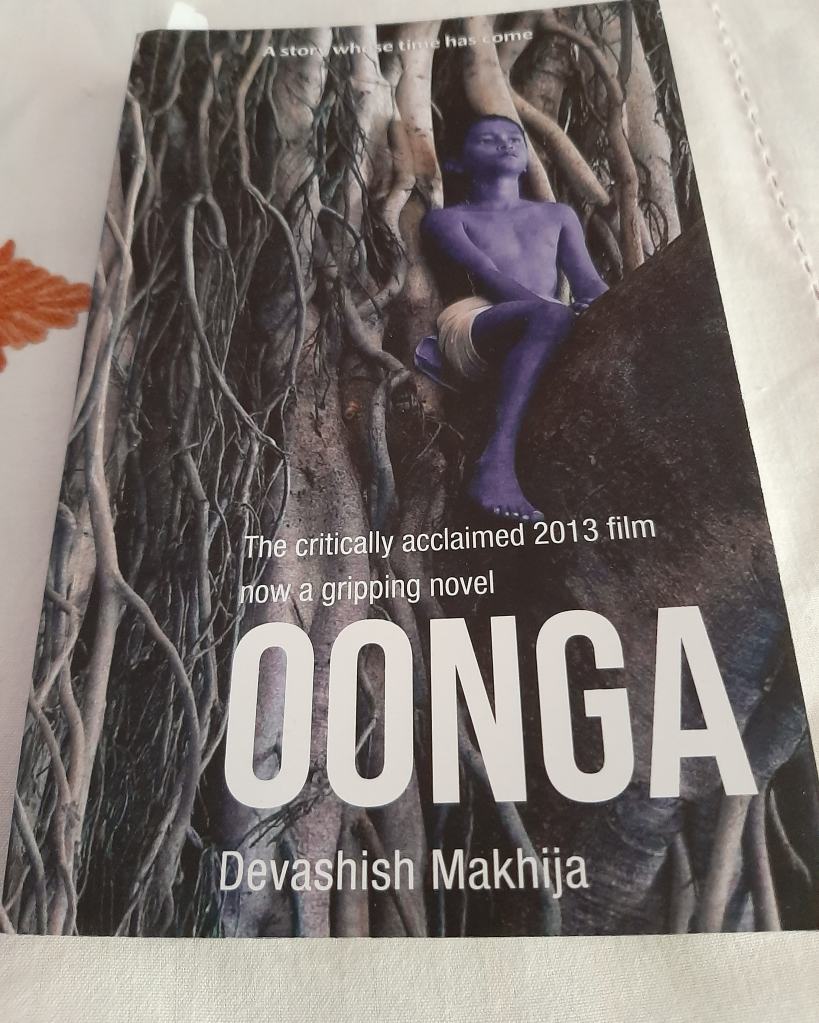
Book Review: Oonga

Shoma Abhyankar's avatarShoma Abhyankar

Book: Oonga
Author: Devashish Makhija
Publication: Tulika Publishers
Genre: Fiction


A 2013 critically acclaimed film now a novel

Devashish Makhija, a screen writer and director of Hindi Cinema, made the film ‘Oonga‘ in 2013 with actress Nandita Das playing one of the important characters of the story. The film though critically acclaimed was not released commercially for various reasons. The author has released the story now as a novel and the bookOonga was launched in the Jaipur Literature Festival 2021.

Few years ago before directing the film of the same name, Makhija, spent time traveling through the jungles of Odisha meeting and observing locals and their everyday fight for survival. He realized that the story still seemed relevant in current times and decided to bring the story in the form of book. The book ‘Oonga’ is inspired by the Dongria Kondh tribals and their way of…

View original post 861 more words

107-year-old man becomes the oldest person in India to get COVID vaccine at Fortis Hospital

At 105, he was the oldest patient in the world to undergo Carotid Artery Stent Implantation to remove a major blockage in the artery supplying blood to the left half of his brain to prevent a major stroke and paralysis.

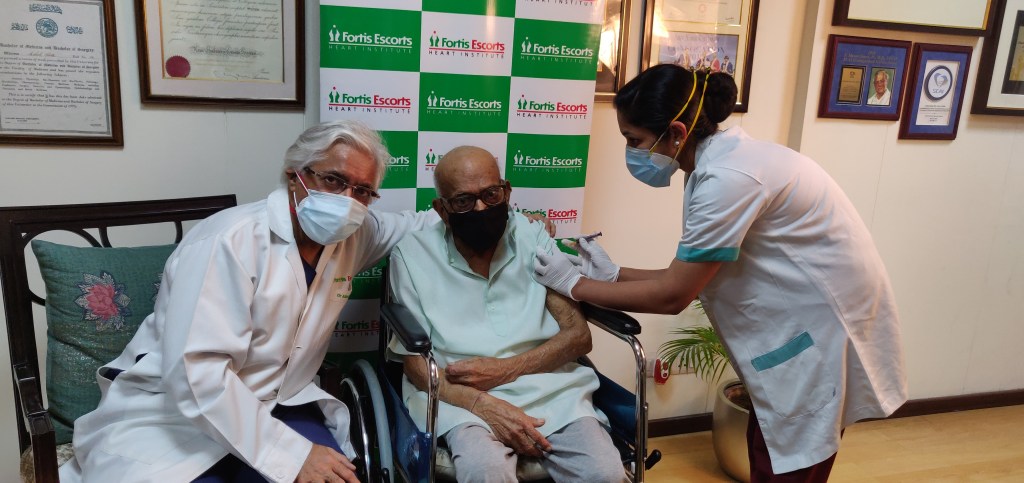
New Delhi, March 15, 2021: Kewal Krishan, age 107 years plus, became the oldest person in India to be vaccinated against COVID under the supervision of his cardiologist Dr Ashok Seth, Chairman, Fortis Escorts Heart Institute. Two years ago, he was the oldest patient in the world to have undergone stenting to the artery of left side of brain by Dr Ashok Seth to prevent a major brain stroke.

Dr Ashok Seth, Chairman, Interventional Cardiology, Fortis Escorts Heart Institute, with 107-year-old Kewal Krishan while he was getting vaccinated.

Dr Ashok Seth, Chairman, Interventional Cardiology, Fortis Escorts Heart Institute, said, “It is really a heartening moment to see that Mr Kewal Krishan has got vaccinated safely and will continue to lead a good quality of life in safety. This is important especially because two years ago Krishan started having repeated small strokes and was threatening a major stroke leading to paralysis. He had a 95% calcified left carotid artery stenosis (blockage in the main artery supplying blood to the left half of brain). The blockages were very hard, torturous and angulated. It took us two hours to treat it via a non-invasive Carotid Artery Stent Implantation. I am happy to say that he improved and that day we prevented him from having a major stroke and today he is well, lead a quality of life and therefore took the vaccine to remain well and enjoy his life with his family. He is an example for many other elderly patients to keep a positive attitude to life and wellbeing.”

Mr Anil Vinayak, Group COO, Fortis Healthcare, said, “Fortis is committed to supporting the Government in this mammoth vaccination drive. At Fortis Healthcare, we have administered more than 60,000 doses till date across 21 of our network hospitals pan India. It is extremely encouraging to see the increase in the vaccination numbers with each passing day.”

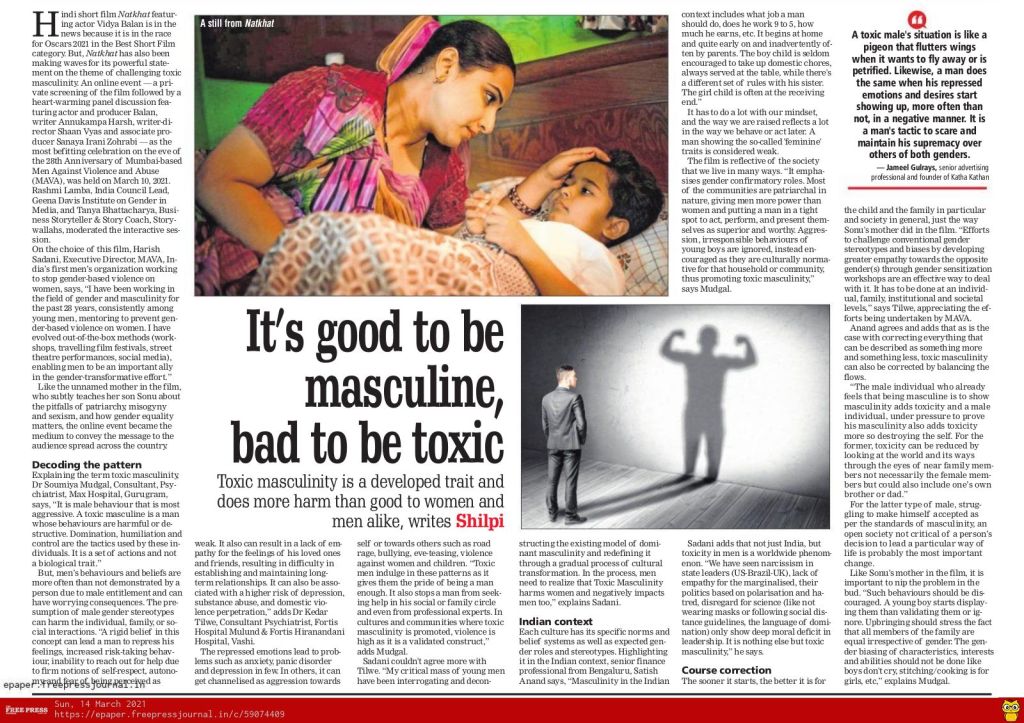
Men, masculinity and their toxicity

https://www.freepressjournal.in/weekend/heres-how-to-tackle-toxic-masculinity

The article was published in The Free Press Journal, Mumbai, edition dated March 14, 2021.

COVID19 vaccination: 20 points to keep in mind

Go ahead and get the jab for yourself and your loved ones, says Dr Rahul Pandit

New Delhi, March 13, 2021: We have entered the second phase of the world’s largest immunization program. However, several looming questions could hamper the success of this program and weaken the fight against COVID19.

Only people who have an Anaphylaxis (allergic reaction) to any of the vaccine contents, should NOT take the vaccine.

Yes, vaccination is the most effective tool to fight the COVID19 pandemic, and help us succeed in our mission to restore normalcy! Having said that, the COVID19 vaccination drive in India has seen much momentum since day one. With an enthusiastic push from the civic bodies, we are slowly but steadily approaching our target goals. After successful round of vaccination for the healthcare providers and frontline workers, we have now moved to vaccinate and protect seniors above 60 years of age, and those above 45 years with comorbidities.

Here’s a guideline to help proceed with vaccinating yourself and your loved ones:

1.       All adults should take the COVID19 vaccine and encourage others to take it as well.

2.       You should have had your meals, and be well hydrated for your vaccination.

3.       Only people who have an Anaphylaxis (allergic reaction) to any of the vaccine contents, should NOT take the vaccine.

4.       All approved vaccines including Covishield and Covaxin have:

  • 100% efficacy in preventing death due to COVID19
  • Very high efficacy against severe COVID19
  • High to moderate efficacy (60%-95%) against symptomatic COVID19
  • Poor efficacy only against asymptomatic COVID19

5.       Vaccinating the high-risk vulnerable population – above 60 yrs and above 45 yrs with co-morbidities will bring down the mortality rate to ‘very low’, as currently, this group forms almost 90% of patients who succumb to the disease. Therefore, we must encourage people in these age groups to be vaccinated.

People with previous COVID19 infection should take the vaccine only after 8-12 weeks of recovery from COVID 19.

6.       People with previous COVID19 infection should take the vaccine only after 8-12 weeks of recovery from COVID 19.

7.       A person who has received Plasma Therapy to treat a previous COVID19 infection should wait for 8-12 weeks before taking the vaccine.

8.       Vaccine is safe in patients with hypertension, diabetes, renal failure, and heart disease, amongst those who have undergone bypass, post-angiography, and those on dialysis.

9.       In pregnant women, if the benefit outweighs the risks of the vaccine, then you may take the vaccine. For example, a frontline pregnant worker should take the vaccine.

10.   There is no data on how long pregnancy should be avoided post-vaccination. However, as it is an inactivated or dead virus it should be safe after 6-8 weeks of vaccination to conceive.

People on anti-platelet agents like Aspirin and Clopidogrel
should take the vaccine without stopping their medication.

11.   Vaccine is safe amongst those with a food allergy, drug allergy (other than the vaccine components) and common allergic conditions such as asthma, allergic rhinitis and allergic dermatitis. But consult your doctor before enrolling yourself.

12.   People on anti-platelet agents like Aspirin and Clopidogrel should take the COVID19 vaccine without stopping their medication.

13.   Patients on blood thinners like Warfarin or newer anticoagulation agents have a small risk of injection site swelling. Patients who are on these newer agents can skip their morning dose, take the vaccine and continue the next regular dose.

14.   Patients with neurological complications like stroke, Parkinson’s, dementia should take the vaccine as it is safe for them.

15.   Patients on immunosuppressant’s (i.e. patients who’ve undergone organ transplants) of any type can safely take the vaccine. However, immune response may not be complete. Check with your doctor before enrolling.

A simple Paracetamol can be taken post-vaccination if required, and most symptoms would be well controlled.

16.   It is false that alcohol is not allowed post-vaccine or that vaccine causes impotency or that vaccine will change the DNA of a person.

17.   There are currently no trials available on children, hence vaccination for those below 18 years can be delayed for now.

18.   Patients with cancer and those undergoing Chemotherapy should consult their doctor and seek an appropriate window for vaccination between the Chemotherapy cycles. Ideally, the patient should wait for at least four weeks post-chemotherapy to take their vaccine.

19.   Fever, body ache, dizziness, headaches are common symptoms post-vaccination.

20.   A simple Paracetamol can be taken post-vaccination if required, and most symptoms would be well controlled.

Do not believe in rumours, the best way to get the right information is to speak to doctors at medical centres who are offering the COVID19 vaccination. Remember, vaccine-induced immunity is as important as herd immunity. It is the current and the only way to tackle the growing menace of the virus. Let’s all come together to fight back and end the pandemic once and for all.

(The article has been authored by Dr Rahul Pandit, Director-Critical Care, Fortis Hospitals Mumbai & Member-Maharashtra’s COVID Taskforce) 

(Images from Pixabay by Wilfried PohnkeGerd AltmannAlexandra_Koch; fernando zhiminaicela)

)

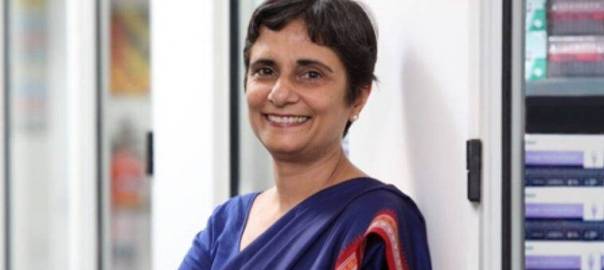
Women’s Day Achiever | Prof Gagandeep Kang

https://www.freepressjournal.in/india/international-womens-day-2021-meet-gagandeep-kang-the-vaccine-queen-of-india

The article was published in the Women’s Day Special of The Free Press Journal, edition dated March 7, 2021.

Things you should do to manage your PCOS/PCOD

Statistics state that one in every five women in India suffers from Polycystic Ovarian Syndrome or Polycystic Ovarian Disease and cannot live a healthy life. PCOS and PCOD bring along complications that deteriorate the quality of life.

New Delhi, March 5, 2021: Ever since Lata entered puberty, she has had difficulty in managing her weight. She craved carbohydrates and even skipped dinner, but her weight increased at a faster rate month over months. Apart from her weight problem, she faced acne and Hirsutism issues (male-pattern facial hair growth). She also has visited her primary care physician on several occasions, complaining of dizziness, feeling shaky, and irregular menses. Her doctor started her on birth control pills to regulate her periods but in vain. Later, she was detected with Hypoglycemia; her physician and her family encouraged her to follow a strict diet and exercise regimen.

Lata is now married for two years and plans to begin a family but cannot conceive. She continues to struggle with severe Hypoglycemia, has elevated serum triglyceride levels and feels miserable. However, recently when Lata visited a reproductive Endocrinologist, she was diagnosed with Polycystic Ovarian Syndrome (PCOS).

Like Lata, many young women suffer from Polycystic Ovarian Syndrome (PCOS) or Polycystic Ovarian Disease (PCOD) and cannot live a healthy life. These conditions bring along complications that deteriorate the quality of life among young women. Statistics state that one in every five women in India suffers from PCOS.

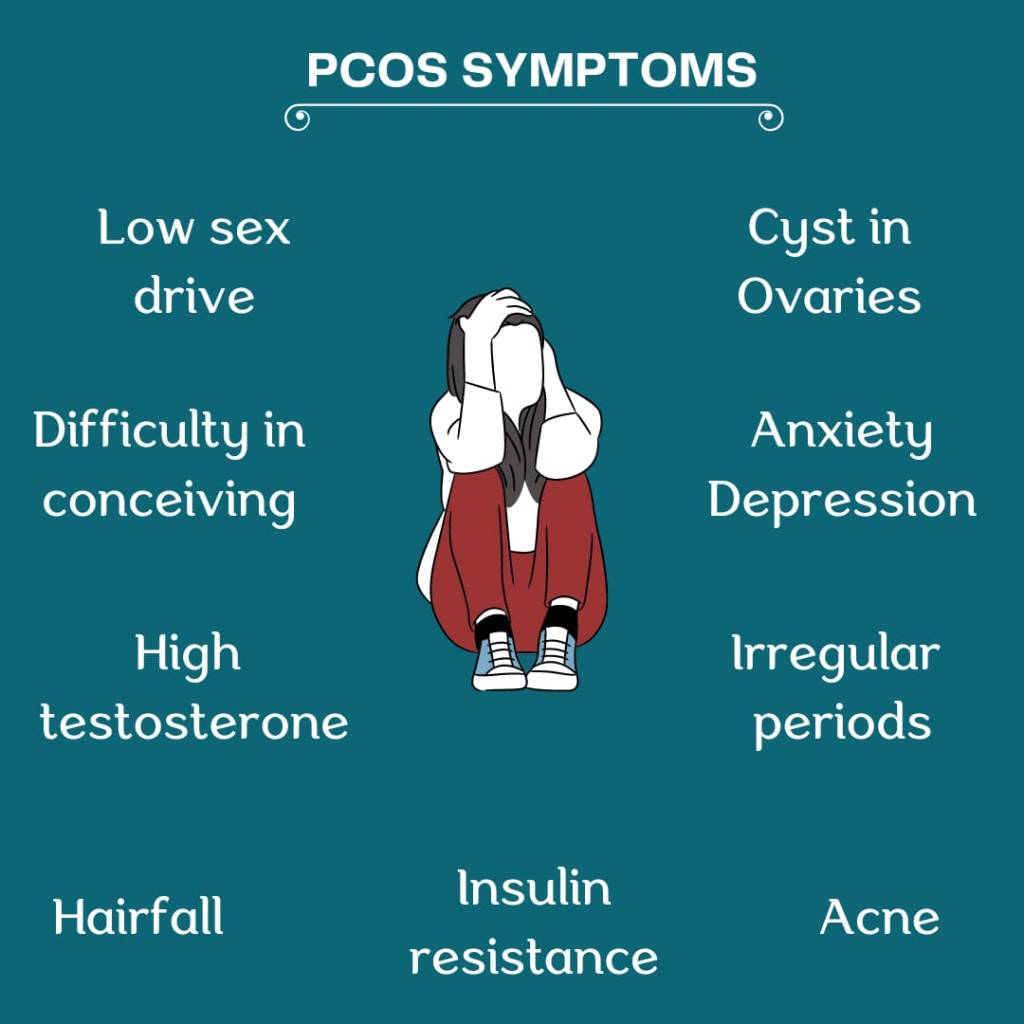
DIFFERENCE BETWEEN PCOS AND PCOD: In women with PCOS, their ovaries produce higher levels of androgen than usual, which interferes with the development and release of the eggs. Some of the eggs develop into cysts – which are the little sacs filled with liquid. Instead of being released during ovulation, these cysts build up in the ovaries and even get enlarged. PCOD (Polycystic Ovarian Disease) is a condition where the ovaries release many immature or partially mature eggs, which eventually turn into cysts. Some common symptoms are abdominal weight gain, irregular periods, male pattern hair loss, and infertility. In this condition, the ovaries usually become enlarged and secrete large amounts of androgens that can cause havoc with a woman’s fertility & her body.

Symptoms of PCOS/PCOD.

EFFECTIVE WAYS TO MANAGE PCOD AND PCOS: Obesity is recognized as an important contributory factor in these conditions. So, diet control, exercise, and monitored weight loss are the first line of treatment. Even 10% weight loss helps quite a lot for hormone imbalance management and in bringing body mass index <25. This also improves menstrual disorders, infertility, insulin resistance, Hirsutism, and acne.

Hormonal management with combined Oral Contraceptive Pills (OCP) is effective in reducing Luteinizing Hormone and Testosterone Hormone. PCOD/ PCOS is not a disease; it is a hormonal imbalance where male hormones increase, so we can control these hormonal changes with OCPs. Insulin resistance is associated with Diabetes Mellitus, central obesity, Dyslipidemia and Hypertension, which can be managed.

Hormonal changes cause abnormal uterine bleeding, prolonged menses, and anovulation (absence of ovulation), for Endometrial Hyperplasia, sometimes endometrial biopsy has to be done. For young females presented with infertility, ovulation induction is done with hormones. Sometimes if the person is not responding to medicine, then Laparoscopic Ovarian Drilling is done. There are rare cases where if weight loss is not possible with diet and exercise, then bariatric surgery is prescribed. Anti-androgen medicines are used for cosmetic purposes in Hirsutism patients. Laser is also used for hair removal.

So, eating the right foods and avoiding certain carbohydrates & fat helps manage the symptoms. Try to consume whole foods which are free from sugar, hormones and preservatives; fruits, vegetables whole grains and legumes should be preferred. Moreover, plant-based proteins and unprocessed high carbohydrates can improve insulin sensitivity. Try to consume more fibre in your diet, reduce the consumption of coffee. Soy, Turmeric, Cinnamon, Vitamin-D3, Calcium, Zinc, Primosa oil, and Cod liver oil should be added to your diet.

(Text by Dr Sushma Tomar, Consultant Obstetrics and Gynecology Fortis Hospital, Kalyan; Images by Soleha Shaikh, Mumbai-based nutritionist and certified diabetes educator, and calligraphy artist.) 

Sindhi or not, Sindhustan tugs at your heartstrings

The maiden project by celebrity hairstylist Sapna Bhavnani is a journey to trace her Sindhi roots. The documentary uses food, music, and art forms – Ajrakh and Madhubani – as tattoos to narrate the displaced and dispossessed community’s poignant tale spread over generations.

“All I knew about my culture was Sindhi kadhi,” pronounces celebrity hairstylist and filmmaker in her documentary Sindhustan and on that note, she sets the tone of a poignant tale spread over the last few decades before and after partition to retrace her Sindhi roots. The ubiquitous flavour of vegetable-rich kadhi makes Sindhustan a delectable watch as it meanders through the lanes and bylanes of Sindhis’ memories, whose quintessential identity is synonymous with their kadhi that’s like no other.  

Trailer of Sindhustan.

The kadhi also becomes the documentary’s access point; Bhavnani’s aunt Kamla Thakur’s kitchen conversation and verses by the renowned 18th-century Sufi poet Shah Abdul Latif becomes a crucial cinematic tool for the filmmaker. The unobtrusive camera captures her cooking, from start to finish, and the tedious kadhi-making process serves as a metaphor for Sindhis in general and Bhavnani in particular. It manages to create a steady simmer in the storyline, from the moment her aunt places tur dal in a cooker on the stove to painstakingly following the rigours, till it is ready to be served on a carefully laid out table filled with other Sindhi delicacies. The brilliant move not only adds a rich flavour to her storytelling, but the shots, panning in and out the kitchen, and shifting focus on the lives and times of other Sindhis, then and now, takes the story forward. “Food is something big for us, and so it made sense to weave the story around it. Kadhi is my favourite, and it was my only choice because it is also our identity in a way. Also, so many stories happen in the kitchen and around the fire, so it was my best bet,” tells Bhavnani.

The entire process of making a Sindhi kadhi takes about three hours, and Thakur, a chef herself, gives us a sneak-peek into the Sindhi household and tells us how Sindhi kadhi is different from other kadhis in the course of the filming. “It is made from toor daal. We boil it with tomatoes in a cooker, then seave and use the soup, cooking it on slow fire much like a mithai. It is nutritious as we put lots of vegetables in it,” says Thakur. 

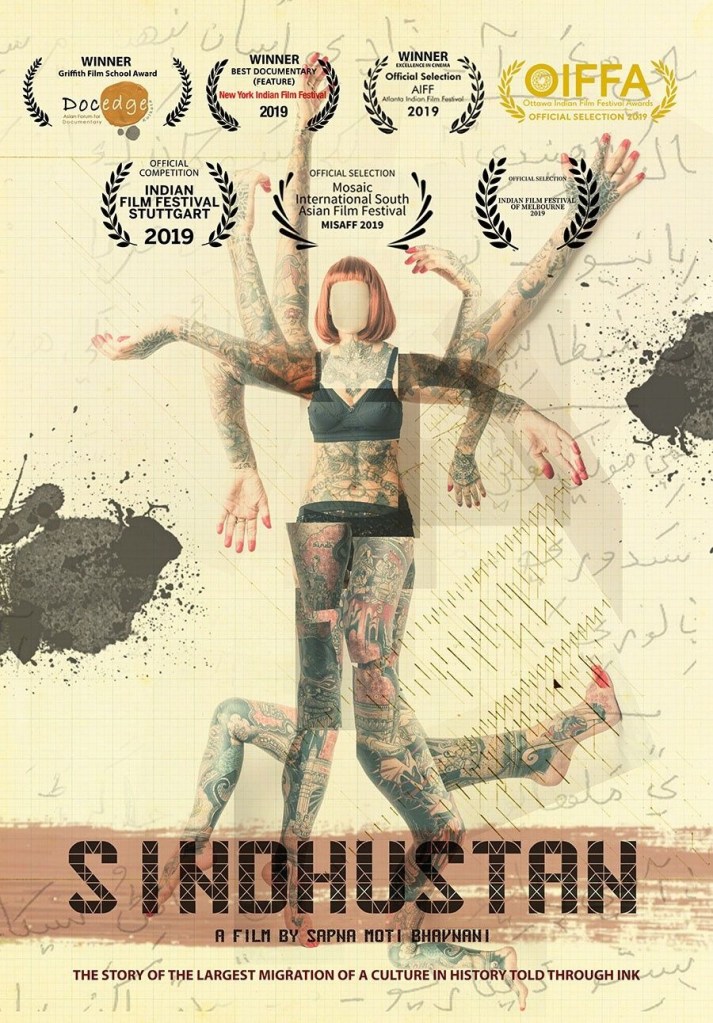
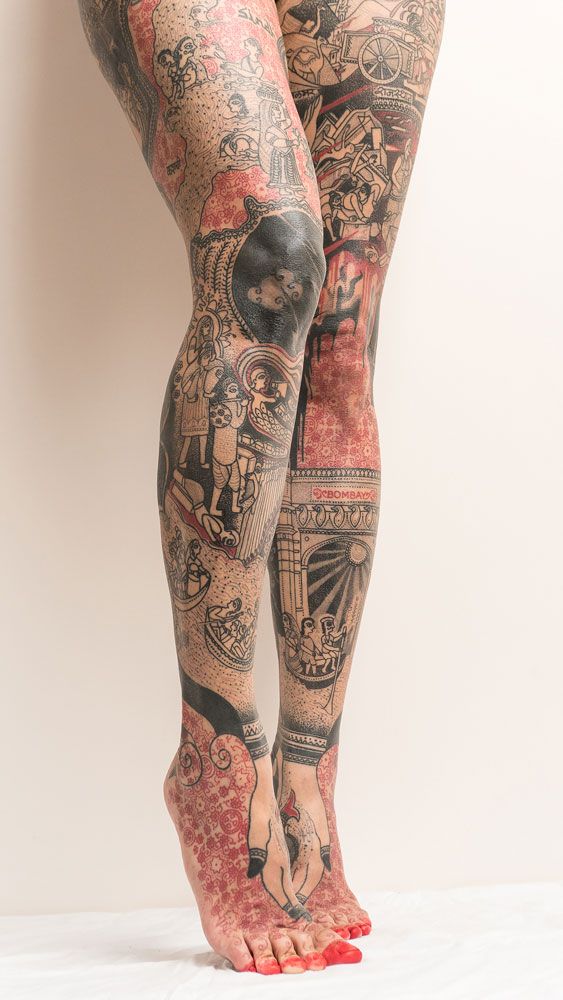
Another thing that stands out in Bhavnani’s maiden project is the story that her legs carry – the fusion of two dying art forms, one from Sindh and another one from Bihar in the tattoos; while her feet reflect her rootlessness with an image of fish on each to show how the waves have given them a sense of fleeting sand, lashing it with memories, time and again.  The use of alta (red liquid dye) to decorate her feet and fingers is another fusion of culture that Bhavnani has used to her advantage in the documentary, and the ease with which she has used ink to tell the story of the largest migration of a culture in history is truly commendable .

“My one leg has motifs from Ajrak, a predominantly Sindhi art form. Here the cloth was first washed in a solution of water and ajrak berries. It was then steamed and stamped with wooden blocks injected with dyes. The printed cloth was then dipped in a solution of indigo and washed in water so that colours came out sparkingly bright. The other leg reflects the popular Madhubani art form from Bihar. The only common thing between the two cultures is fish. It is predominant in Madhubani paintings and also in ours because it is believed that our presiding deity Jhulelal rode a fish,” she recounts. The beauty of this amalgamation in her passion project makes Sindhustan a mini piece of art in itself.

The pain and trauma of those who lived and survived the painful partition echoes louder in each person’s account. Their sense of longing and belonging and connection with the land of their origin – Sindh – where they or their ancestors once lived tugs at the audience’s heartstrings.

Sindhustan is a must watch if you are a Sindhi because it has high nostalgic value.

It is even more important to watch Sindhustan if you are a non-Sindhi because it is a ready reckoner to understand a community that has been dispossessed and displaced but still retains its enterprising, industrious, zealous, benevolent and cosmopolitan nature transcending barriers of castes, race and religion.

Thakur is the go-to person for Bhavnani for food, and she loves to feast on her “Teevan, Sai Bhaji, Seyal Beeh Patata, and, of course, Kadhi on Sundays.” Also, don’t forget to feast on Sindhi kadhi that Thakur’s French neighbours in Paris referred as the water of gods. Bon appétit!

(Text by Shillpi A Singh; pictures from Sindhustan; the film is streaming on https://www.moviesaints.com/movie/sindhustan; it is also the official selection at the upcoming Wench Film Festival https://wenchfilms.com/)

National Science Day 2021: Women in science on what it means to be one

https://www.freepressjournal.in/weekend/national-science-day-2021-the-art-of-being-a-woman-in-science
The article was published in The Free Press Journal, edition dated 28 February 2021.

2020 was the year of Bhojpuri disprutors

The article was published to celebrate the International Mother Language Day
in The Free Press Journal, Mumbai, on February 21, 2021.

To read more: https://www.freepressjournal.in/weekend/from-manoj-bajpayees-rap-to-podcasts-the-year-of-bhojpuri-disruptors