All posts by Shillpi A Singh

Unknown's avatar

About Shillpi A Singh

क़लम मज़दूर | Commspreneur | Recipient of the IIMCAA Award for Public Relations Person of the Year 2024 | Canva's Top 10 Social Media Creator for 2023 | Work-in-Progress

COVID19: DRDO’s 2-Deoxy-D-Glucose drug decoded

Dr Rahul Pandit talks about the drug that was approved for emergency use as an adjunct therapy in moderate to severe COVID19 patients by the Drugs Controller General of India early this month.

Mumbai, May 17, 2021: Adding another ammo to our battle against COVID19, the Government of India has introduced a promising anti-COVID19 drug called 2-deoxy-D-glucose (2-DG). The drug has been developed by the Institute of Nuclear Medicine and Allied Sciences (INMAS), a lab of Defence Research and Development Organisation (DRDO), in collaboration with Dr Reddy’s Laboratories (DRL), Hyderabad. The drug was approved for emergency use as an adjunct therapy in moderate to severe COVID19 patients by the Drugs Controller General of India (DCGI) early this month.

WHAT IS 2-DEOXY-D-GLUCOSE (2-DG)? 2-Deoxy-D-Glucose drug has historically been extensively tested for treating Cancer but is so far an unapproved drug. However, for COVID19, the drug shows promise. The drug comes in powder form in a sachet, which is taken orally by dissolving it in water. It accumulates in the virus-infected cells and prevents virus growth by stopping viral synthesis and energy production. Its selective accumulation in virally infected cells makes this drug unique. The Institute of Nuclear Medicine and Allied Sciences (INMAS), a lab of the DRDO, in collaboration with Dr Reddy’s Laboratories (DRL), Hyderabad, has been studying this drug in the context of radiation therapy for cancer.

The primary mechanism of the drug involves inhibiting glycolysis or one of how cells break down glucose for energy. While used to starve and kill cancer cells, this approach could also work in inhibiting virus cells too that were dependent on glycolysis for replication. When the pandemic broke out in India, INMAS, DRDO, and DRL switched their effort to explore the possibilities to use this drug to defeat COVID19. Tests at the Centre for Cellular and Molecular Biology, Hyderabad, last year indicated that the drug demonstrably killed virus cells after which it progressed to trials in people. 

2-DEOXY-D-GLUCOSE DRUG CLINICAL TRIAL: GATHERING CLINICAL EVIDENCE AND EFFICACY. In April 2020, INMAS started experimental examinations in Hyderabad with the Centre for Cellular and Molecular Biology (CCMB). After which, the Central Drug Standard Control Organisation (CDSCO) and the Drug Controller General of India (DCGI) jointly granted permission for Phase-2 trials in May 2020. Between May to October 2020, the institute started initial trials on how COVID19 patients would respond to the drug. The drug worked well with no side effects, and the patients recovered quickly. Further on, the Phase 3 clinical trial was conducted between November 2020-March 2021 in Delhi, UP, Bengal, Gujarat, Maharashtra, Telangana, Andhra, Tamil Nadu, and Karnataka. The results were favourable.

THE EFFICACY FACTOR: Clinical trial results have shown that this molecule helps in faster recovery of hospitalised patients and reduces supplemental oxygen dependence. The drug will be of immense benefit to the people suffering from COVID19. As per clinical data for efffficacy trends, the patients treated with the 2-DG drug showed faster symptomatic cure than Standard of Care (SoC) on various endpoints. A significantly higher proportion of patients improved symptomatically and became free from supplemental oxygen dependence (42% vs 31%) by day-3 compared to SoC, indicating an early relief from Oxygen therapy/dependence.

ACTING WITH RESPONSIBILITY: This drug comes when our nation is grappling to cope with the impact of the devastating second wave of COVID19, which has stressed our infrastructure and resources to its limit. I see a ray of hope, that with the availability of this drug, we may be able to reduce the burden of COVID19 and save as many lives as possible. Having said that, precaution is a must. No COVID19 medication should be taken without a doctor’s prescription. Moreover, hoarding drugs is a crime, and as responsible citizens of the nation, we must ensure that these medicines should be available and accessible to those who need it.

(Dr Rahul Pandit is Director-Critical Care, Fortis Hospitals Mumbai & Member of Maharashtra’s COVID Taskforce)
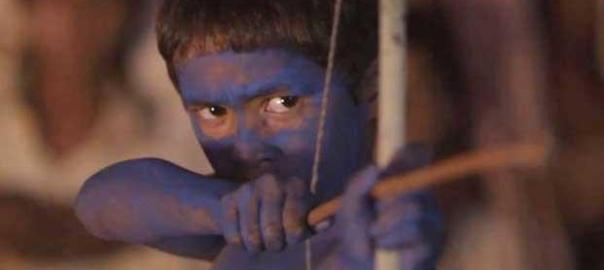
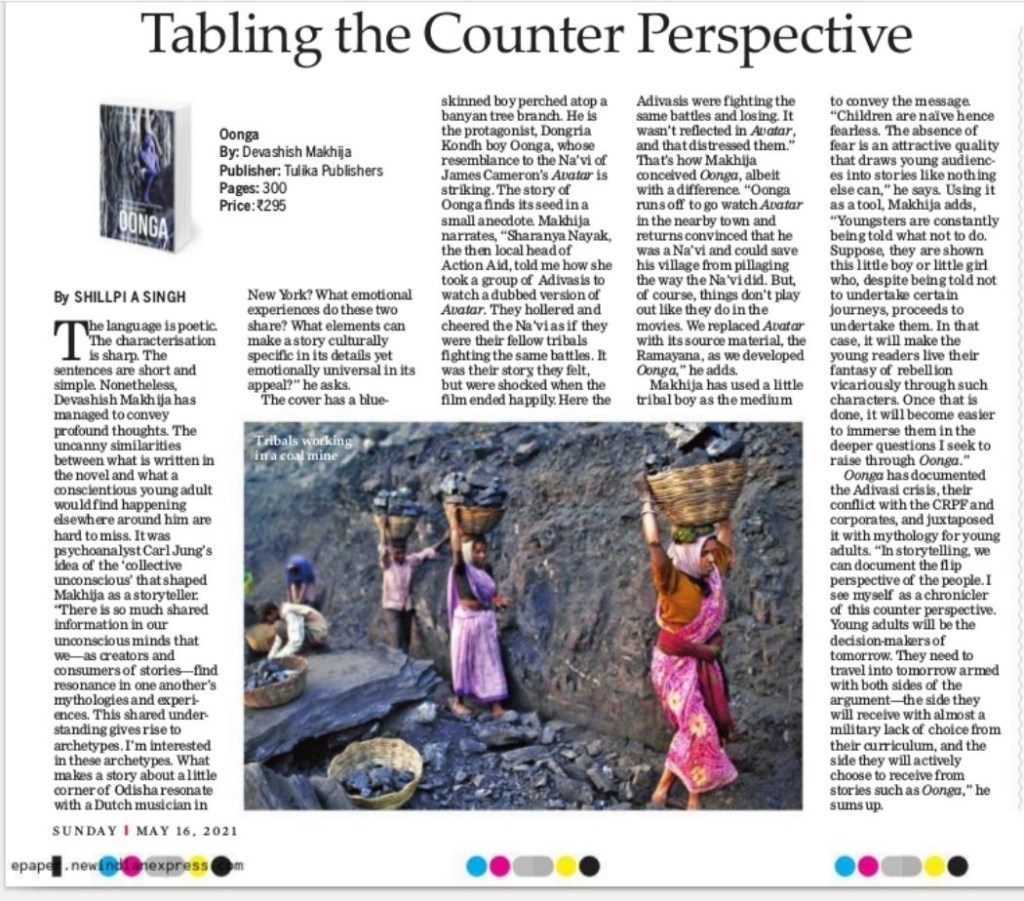
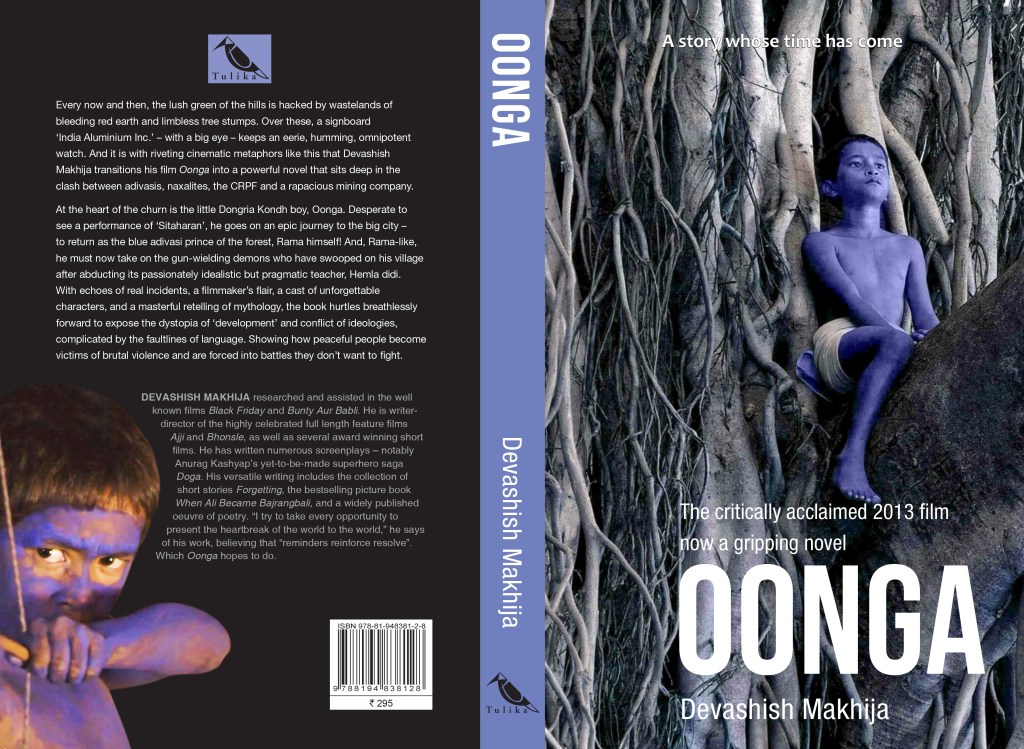
Oonga takes a new Avatar for young adults

Writer-filmmaker Devashish Makhija’s critically acclaimed film Oonga has been reverse-adapted into a novel for young adults. Published by Tulika Books, it was released at the 14th Jaipur Literature Festival.  

The article was carried in all the editions of The New Sunday Express magazine and The Sunday Standard magazine on May 16, 2021. https://www.newindianexpress.com/magazine/2021/may/16/devashish-makhijas-oonga-book-review-tabling-the-counter-perspective-2302390.html

Q 1. The blue-skinned Dongria Kondh boy, Oonga, resembles the Na’vi of James Cameron’s Avatar. What is the back story? 

Devashish Makhija (DM): The story of Oonga finds its seed in a small anecdote I heard while in Koraput, Orissa. Sharanya Nayak, the local head of Action Aid, told me how she had taken a group of Adivasis to watch a dubbed version of Avatar. They hollered and cheered the Na’vi right through the film as if they were their own fellow tribals fighting the same battles they were. They felt like it was their own story being shown on that screen. But they were shocked when the film ended. It ended ‘happily’! Though many years later, the group of Adivasis were still fighting the same battles and losing. Something about that not being reflected in Avatar distressed them. When we conceived the story of Oonga, he was to run off to watch Avatar in the nearby town, and return convinced that he was a ‘Na’vi’ and could save his village from pillaging the way the Na’vi did. But, of course, things don’t play out in the real world like they do in the movies. We replaced Avatar with its source material, the Ramayana, as we developed the story further.

Q 2. What was your most crucial literary tool for reaching out to young readers?

DM: Swiss psychoanalyst Carl Jung’s idea of the ‘collective unconscious’ has perhaps shaped me as a storyteller. As Jung’s words suggest, there is so much shared information in all our unconscious minds that we – as creators and consumers of stories – find resonance in one another’s mythologies and experiences. This shared understanding gives rise to archetypes. Like most storytellers, I’m very interested in these archetypes, in what makes a story about a little corner of Orissa resonate with a Dutch musician in New York. What emotional experiences do these two share? Hence, what elements can make a story culturally specific in its details yet emotionally universal in its appeal?

Q 3. How was it documenting the Adivasi crisis and their conflict with the corporates, juxtaposing it with mythology, and presenting it for young adults?  

DM: Stories are the ‘people’s perspective’. The people cannot write history books. Those in power do. And history books end up being the primary source of information of our times for future generations. It is dangerous that any other perspective but the ruling regime’s is always missing from the history books – since time immemorial. In storytelling, we can document the flip perspective of the people… of those being marginalised. I see myself as a chronicler of this counter-perspective before I see myself as a storyteller even. Young adults will be the decision-makers of tomorrow. And I need them to travel into tomorrow armed with both sides of the argument – the side they will receive with almost a military lack of choice from their curriculum; and the side they will actively choose to receive from stories like Oonga, outside their curriculum.

Q 4. Using a 10-11-year-old tribal boy as the medium to convey the more prominent and more pertinent message to young adults. Why is he not an adult?   

DM: Children are naïve hence fearless. If you don’t know, something can hurt you that something won’t scare you. And the absence of fear is a very attractive quality that draws young audiences into stories like nothing else can. Youngsters are constantly being told what NOT to do. If, suddenly, they are shown this little boy or little girl who, despite being told NOT to undertake certain journeys, proceed to undertake them, the youngsters reading the story love to live their own fantasy of rebellion out vicariously through such characters. Once that is achieved, once I have reeled them in, I can then slowly immerse them in the deeper questions I seek to raise through the story.

The Iranian cinema of the 1980s and 1990s did this successfully. Oonga is me trying to attempt that.

Q 5. What are the similarities and differences in your writing process when you chose to pen a novel for young adults (vis-à-vis children’s books and short and feature films)?

DM: A novel is a gargantuan beast.

In a short story, a children’s picture book or a short film, I don’t have the liberty of character establishment. I often need to get into the thick of the action almost as soon as the story begins. Also, a short story cannot ‘end’ in a conventional way. Closing the loop neatly in a short story is almost impossible given how little time we’ve spent with the characters. It becomes very important there to choose very carefully the ‘portion’ of the characters’ journey I want to make the story about.

The other thing this allows for then in the shorter mediums – short story, children’s book, short film – is multiple revisits by the reader/viewer. A short story or children’s book could be like a favourite song that you can play again and again. A novel demands much more time and attention and investment to provide this kind of a relationship with the reader.

I consciously approach a shorter format story in a way that the narrative doesn’t close its loop by the end. Questions stay unanswered. Characters stay partially undiscovered. The story feels like it could go on.

But with a novel like Oonga each character has his/her own complete arc, even as the story has one of its own. I map each arc beforehand, so I know their intersectionalities, convergences, and divergences before starting the physical writing process. The abruptness of a wildly open-end can leave the reader very dissatisfied in a novel because I have drawn them into a ‘world’ that they inhabit with the characters for over 300 pages.

Whereas the shorter storytelling forms allow me to undertake more of an exploratory creative process, a novel needs all the engineering, cartography, universe-building skills I can muster. Whereas the shorter forms end up mostly being about the character(s), a novel like Oonga needs to be about a well-charted story, an amply-detailed universe, as well as deeply-plumbed characters.

The mind, the heart and the eye need to be prepared differently for both.

Q 6. Dialogue is one of the most important themes that you have touched upon in this book. How do you think this novel can help start a conversation around the issues that you have spoken about in Oonga? What are your expectations from this novel? 

DM: There are some things in life we don’t think about often and deeply enough. Our daily lives always get in the way. Death, Injustice, our Anthropocentrism, our capacity for Hate, our very imbalanced view of Development… I like raising questions about these through my stories. Generally, I never have a solution or an answer. I simply share with the viewer my own heartburn, hoping that these questions will haunt them once they emerge from my stories, and keep asking them too.

Q 7. Do you think a socio-political writer or artist can bring about a real tangible change in society?

DM: No idea. Of course, all of us harbour delusions of grandeur, hoping to affect people enough to get them to question the status quo in more significant numbers to effect social, political, anthropological change. We see dreams of this happening when we write our stories and create our art. But can an artist or a storyteller achieve that? Like a policymaker or political leader can? Who knows. I’m not holding my breath for it.

All I can say for sure is that I create my work this way because if I didn’t put my unrest and heartache and rage and questions and protest into my stories, I’d self-destruct. I do this so I can get some sleep at night, however, disturbed.

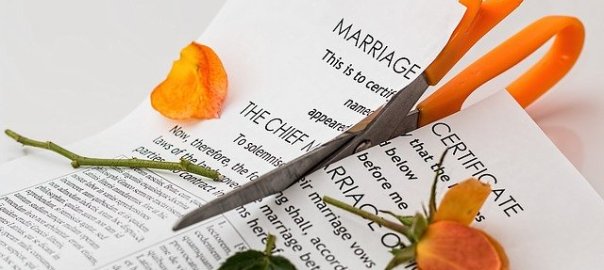
Silver Splitters

Bill and Melinda Gates, who were married for almost 27 years, recently announced separation. Their divorce sent netizens in a tizzy. Another high-profile couple to take the Gates route was Jeff Bezos and MacKenzie Scott; they were together for 24 years. Experts answer the Hows and Whys of breaking away from such a long-standing bond.

The article was carried in The Free Press Journal in its edition dated May 16, 2021. https://www.freepressjournal.in/weekend/bill-and-melinda-gates-divorce-how-does-one-break-away-from-such-a-long-standing-bond-experts-answer

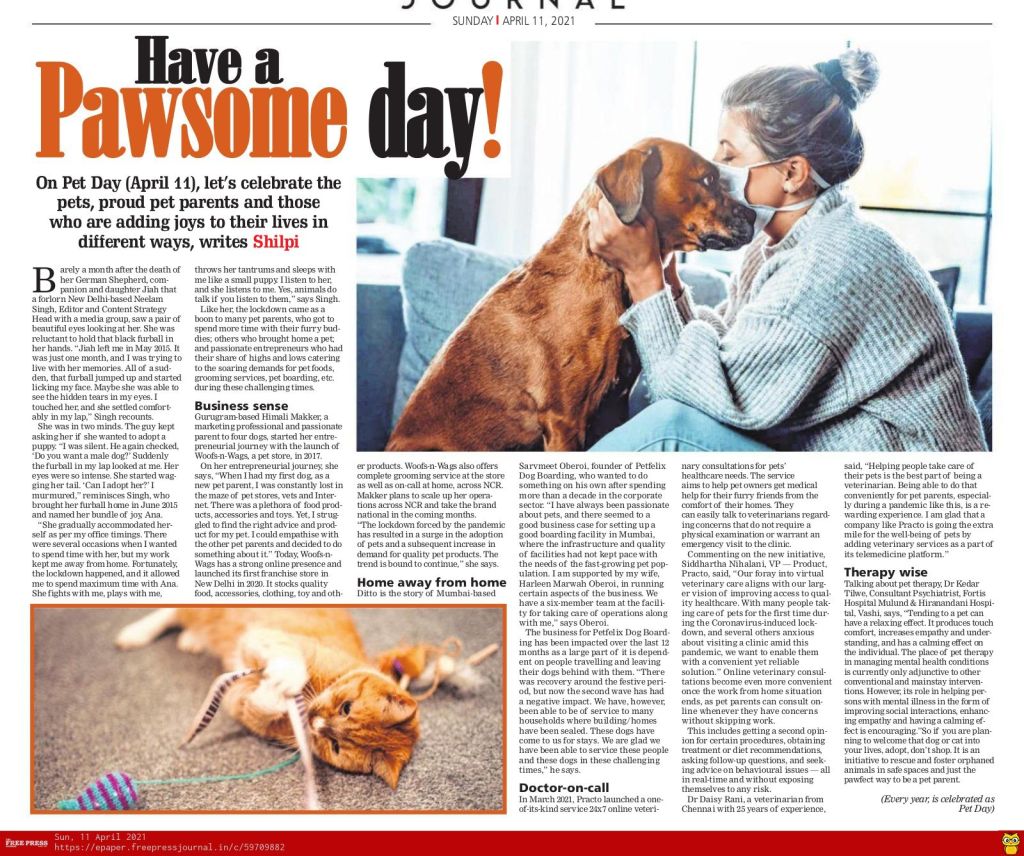
In paw-some company

National Pet Day 2021: Celebrating pets, proud pet parents and many others who are adding joy to their lives in different ways.

The article on #NationalPetDay2021 was published in The Free Press Journal, Mumbai, on April 11, 2021. (https://www.freepressjournal.in/weekend/national-pet-day-2021-celebrating-pets-and-proud-pet-parents)

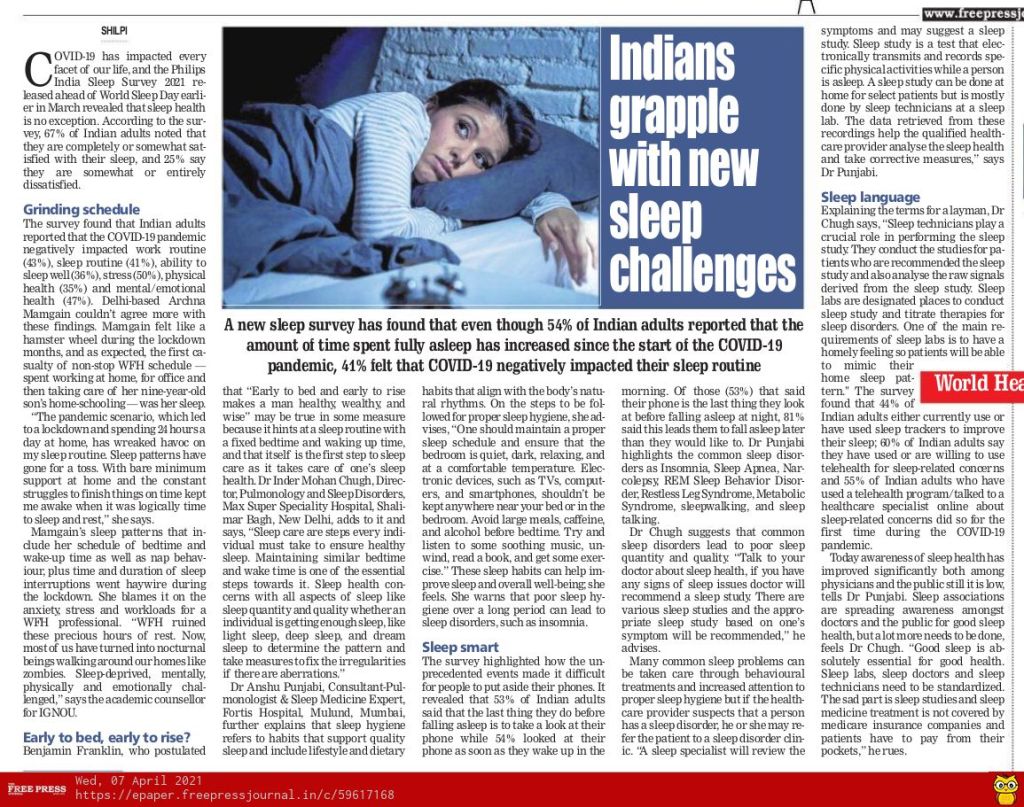
Zzz! Sound sleep was a major challenge for Indian adults during lockdown

The article was carried in all editions of The Free Press Journal on April https://www.freepressjournal.in/health/world-health-day-2021-indians-grapple-with-new-sleep-challenges

23% women in Mumbai are prone to anaemia while 27% men are predisposed to diabetes, reveals Indus Health Plus Survey

World Health Day: The study’s overall sample size in Maharashtra was 21,500 people while that for Mumbai was 2,978. These people underwent preventive health check-ups between October 2019 and February 2021.

Mumbai, April 7, 2021: On the occasion of World Health Day, Indus Health Plus Survey revealed that people in Maharashtra are susceptible to diabetes (27%), Vitamin B12 Deficiency (23%), dyslipidemia (17%), obesity (13%) followed by heart diseases (10%) and anaemia (10%). The key non-modifiable risk factor is the genetic makeup of an individual favoured by environmental, age, gender, stress and physiology, metabolism, which increases the onset and progression of lifestyle diseases. 

The study’s overall sample size was 21,500 people who underwent preventive health check-ups between October 2019 and February 2021. From Mumbai, the total sample size was 2,978 people. It was observed that the Mumbaikars are predisposed to diabetes (25%), dyslipidemia (18%), Vitamin B12 deficiency (16%), obesity (15%), followed by anaemia (14%) and heart diseases (12%). 

Amol Naikawadi, JMD, and Preventive Healthcare Specialist, Indus Health Plus, says, “Diabetes and cardiovascular diseases are prevalent in India. These diseases tend to impact people in the most productive years of their lives and result in social and economic consequences. Another important aspect is that comorbid conditions such as diabetes, obesity, and heart diseases are high-risk conditions for COVID-19. Hence, proper management to keep them in control is vital, especially in this situation.” 

Measures to boost immunity

  • Get enough sleep
  • Eat more healthy fats and whole plant food
  • Stay hydrated
  • Take a probiotic supplement
  • Limit added sugars
  • Engage in moderate exercise
  • Manage stress
  • Maintain good hygiene
  • Avoid smoking and alcohol
  • Don’t consume excessive saturated fats

The trend report highlights that women are prone to anaemia (23%) and dyslipidemia (20%) compared to men. Men are at higher risk of diabetes (27%), Vitamin B12 deficiency (21%)and heart ailments (14%). 

The data gives us an insight into individual health needs to be taken very seriously. Health means physical, social, mental wellbeing with absence from diseases. Therefore, ensure regular health check-ups and follow-ups, personalized diet and lifestyle goals need to be set and followed, and strong immunity to protect from diseases. 

“While exposure to the SARS-Cov-2 virus remains the most decisive factor determining the chances of getting COVID-19, other possible factors may influence the response to infection. These risk factors include reduced immunity, presence of existing comorbidities, and age. The genetic variants can influence the response to COVID-19 by regulating the immune function that can make an individual less or more vulnerable than others. Therefore people must understand the value of prevention and continue to invest in timely and routine examination to monitor comorbidities and keep them at bay,” adds Naikawadi. 

The main focus of people should be on wellness and prevention of lifestyle diseases and to create a culture of healthy living among the younger generation. The best way to minimize the cost of treating lifestyle diseases is to invest in preventive healthcare, which accounts for a fraction of the money spent on corrective steps.

CATEGORYNo. of MEN: 1436 No. of WOMEN: 1542 Total: 2978
In %In %In %
ANAEMIA5%23%14%
DIABETES – F BSL27%23%25%
DYSLIPIDEMIA – TOTAL CHOLESTEROL16%20%18%
HEART PROBLEM – CT CORONARY ANGIOGRAPHY14%9%12%
OBESITY16%13%15%
VITAMIN B 1221%12%16%

You are cordially invited to attend the wedding of dugwell and banyan tree

King Sri Krishnadevaraya wanted to organise the wedding of his royal well to find his wise advisor Tenali Rama, but a well is also wedded off in a colourful custom prevalent in Bihar and Jharkhand. 

The last you would have heard of a well’s wedding was in the folklore of Tenali Rama. Once upon a time, it had so happened that King Sri Krishnadevaraya and his wise advisor Tenali Rama had a spat over some trivial issue, following which the King banished him from the royal court. After this episode, Tenali Rama left the kingdom and moved to a nondescript village. Soon, the King realised that Tenali Rama was, in fact, correct, and he was keen to have him back in his court. But his special advisor was nowhere to be found. To look for him, the King had to use his wits. An announcement was made saying that the King had organised the royal well’s wedding in his capital Vijayanagar on the full moon night, and the village panchayats in his kingdom were cordially invited to attend the same with their wells in tow. The King wouldn’t tolerate any defiance, and if the villagers failed to bring their wells along for the wedding, they would be penalised 100 gold coins. The harried villagers sought Tenali Rama’s advice. He suggested that they meet the King the following day and tell him that the village wells would attend the wedding for sure, but only if the royal well comes and invites them personally. The King knew that it could be only his witty courtier Tenali Rama, who could give the villagers this suggestion to outwit the King’s proposed well’s wedding plan, and well, eventually both won the battle of wits in equal measure.  

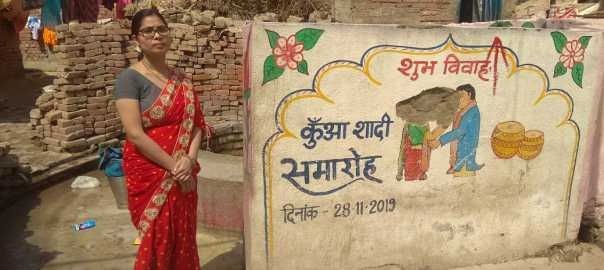
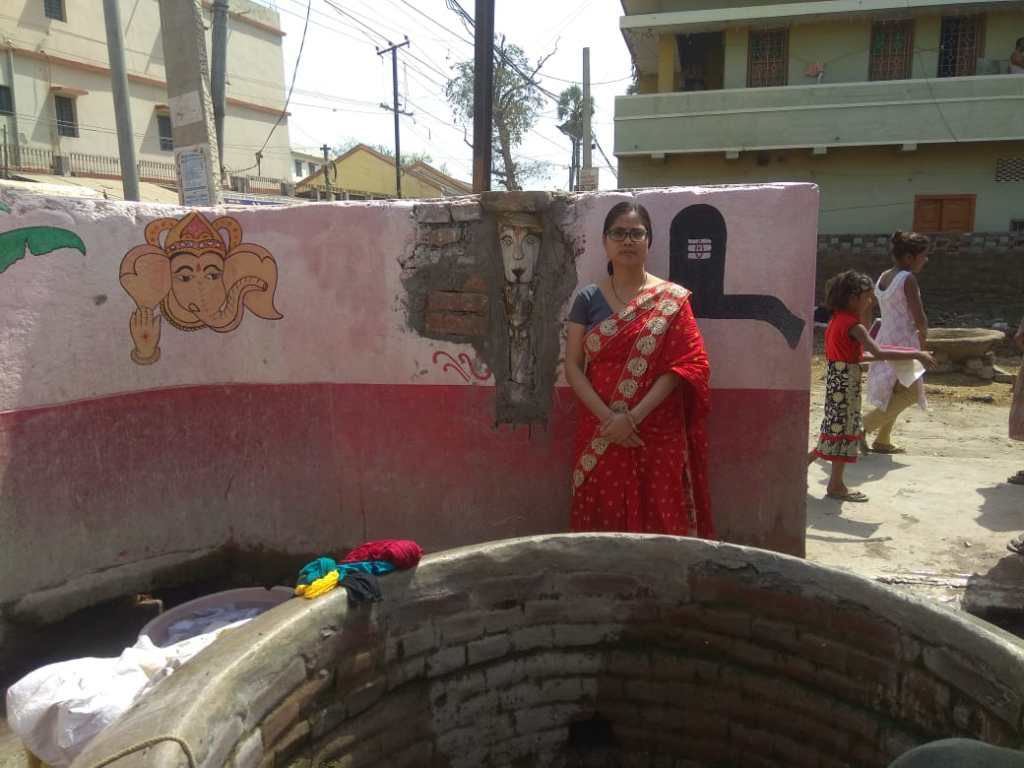
Taking a leaf out of this folklore, a quaint neighbourhood — Vikas Nagar — in Ward no 8 of the Barh subdivision of Patna district organised a wedding of its well with great pomp and show on November 28, 2019.

Sharmila Kumari, Vikas Mitra of Ward no 8, Barh.
Read more here: https://en.gaonconnection.com/well-wedding-jharkhand-bihar-water/

Dealing with COVID stress is not a child’s play

Dr Jesal Sheth tells how parents can chip in and help their children bust it.

New Delhi, April 1, 2021: The COVID19 pandemic and subsequent lockdown generated a lot of fear and stress across all age groups. Children usually thrive under predictable conditions, but the pandemic’s disruption greatly impacted them physically and emotionally. Online schooling, social isolation, lack of interactions with their friends, lack of physical sports and parental angst have aggravated their mental and emotional wellbeing. Children and adolscents have developed fear, anxiety, depression, and boredom. While most parents were involved in dealing with the pandemic’s uncertainty and putting all efforts to keep their family safe and sustainable, the emotional needss and mental health of children were somehow ignored.

THE IMPACT OF THE PANDEMIC ON CHILDREN: The pandemic has changed the way children typically grow, learn, play, behave, interact, and manage emotions. Children have been observed to have conduct problems, peer problems, externalizing problems, and general psychological distress. When compared with children who did not exercise, children with psychical activity had lower hyperactivity-inattention and less prosocial behavior problems.

Moreover, from a more emotional perspective, they have a lot going around in their head, and the biggest worry for them is whether or not they will see their friends in school or get sick. The combined effect between lifestyle changes and psychosocial stress caused by home confinement perhaps aggravates children’s behavioural problems.

In the long run, this can lead to an emotional breakdown among children, and the same may lead to these children resisting to return to school post-lockdown. This can happen primarily because children have lost their pre-lockdown routines and the loss of touch with their peers and mentors. In addition to this, the lockdown-related constraints can have a long-term negative effect on their overall psychological wellbeing.

SO, HOW DO WE TACKLE THIS? Here’s how you can help children cope with COVID-related stress;

  • Address fears: Anxiety and emotional depression can be tackled by parents to some extent by addressing fears of children, talking about problems and possible solutions from the child’s perspective.
  • Spend time with grandparents: Children who have grandparents can spend some quality time with them, listen to stories and tell them stories. Talking to them will help.
  • Follow a routine: Parents can maintain some routines even if confined at home. It is always good if parents and children can plan some activities together. Parents should also plan their children’s tasks one at a time, involve them in various home activities, educate them about following hygiene habits and social distancing.
  • Play games: Engage in indoor play and creative activities. In addition to these activities, children can be advised to be involved in household chores and understand their social responsibilities.
  • Organise virtual play dates: To keep them in touch with friends and classmates, plan a virtual party and playdates.
  • Discuss issues: Parents should pay more attention to the emotional wellbeing of the child. Keep emphasizing COVID19 measures like wearing a mask, social distancing, and frequent hand washing, as the pandemic is not over yet. Also, children should be encouraged to socialize with their friends and classmates through digital forums under the parent’s supervision.

(Dr Jesal Sheth is Senior Consultant-Paediatrician, Fortis Hospital, Mulund; Cover image by Tumisu from Pixabay

Are your hair and skin ready to beat the heat?

Dr Kiran Godse lists tips and tricks to keep them healthy in coming summer months. 

New Delhi, March 31, 2021: A year of COVID19 lockdown has kept most of us indoors but gradually we are stepping out as offices, schools, public transports, etc., are slowing opening up and life is limping back to normalcy. Summer is right here, staring at us. Are your skin and hair ready to beat the heat?

SKIN DURING SUMMER: When summers approach, temperatures rise and so does the humidity level. Humidity brings in a lot of changes in our skin and hair behavior. Our skin becomes sweaty, oily, develops acne flare ups, blackheads, whiteheads, and is prone to fungal infections, heat boils, body odors etc. Even our hair becomes frizzy with an oily scalp, dandruff, etc.

SO HOW TO TACKLE SKIN PROBLEMS DURING SUMMER? For having a healthy skin during these hard summer days, few tips can be helpful.

  • Cleanse your skin well with a gentle cleanser-twice daily is optimal. In case your body becomes excessively sweaty or one suffers from body odors, bathing twice daily will be helpful.
  • Make sure to dry your skin well before layering clothes, preferably even use some dusting powder, since it helps absorb excess moisture and thus, prevents fungal infections, heat boils or prickly heat issues.
  • Using a sunscreen is crucial, especially for those who suffer from hyperpigmentation and sun sensitivity.
  • Wearing closed footwear for a prolonged period can give rise to fungal infections and soft corns in the web spaces, so using dusting powder on the foot before wearing socks or shoes, aids in keeping your feet dry and clean.

CARING FOR YOUR HAIR DURING SUMMER? During summers, while it is necessary to care for your skin, it is equally important to take good care of your hair.

  • Cleansing hair at least twice a week is optimal. For those suffering from an itchy or dandruff prone scalp, using an anti-dandruff shampoo regularly keeps dandruff at bay.
  • Oiling your hair shouldn’t be done frequently as it can lead to heat boils on scalp with acne flare ups on the forehead and trunk. Just a teaspoon of oil an hour before hair wash, once a week, is adequate. In case the above steps don’t help your skin, consult a dermatologist.

BEWARE OF THE STEROIDS THAT MAY DAMAGE YOUR SKIN: Avoid taking drugs or applying over-the-counter-creams recommended by friends or the pharmacist, since majority of them contain steroids which may worsen your skin condition.

  • Avoid using topical steroid creams sold over the counter to treat fungal infections
  • Keep your body well hydrated! Drink lots of water, juices and eat plenty of fruits rich in Vitamin C.

THINGS TO DO TO SAFEGUARD YOUR SKIN & HAIR WHILE STEPPING OUT: While stepping out, one must ensure that a generous coat of a broad spectrum sunscreen is used. Reapplication of the same every 2-3 hourly is necessary to avail adequate sun protection, especially if one is constantly out in the sun. Also it is not necessary to apply sunscreen under your mask, as it may cause irritation and acne flare-ups since the occlusion inside the mask damages skin barrier and makes skin more prone to irritation. Apart from using a sunscreen, wearing protective clothing helps. Light colored loose cotton garments should be preferred to avoid any excessive sweating and friction.

Wishing you all ‘happy summer skin days’!

(Dr Kiran Godse is Consultant, Dermatology & Cosmetology, Hiranandani Hospital, Vashi-A Fortis Network Hospital)

(Cover Image by silviarita from Pixabay

Stomach full of memories

Food can evoke memories, create a sense of belonging and define a person’s story. Dubai-based Prakash Dadlani takes a gastronomic trip down memory lane to relive all things sweet and nice about Sindhi cuisine.         

I was approached by one of my friends to share my thoughts and memories on Sindhi cuisine. Normally, I would have said no, but this time around, I tried to scuttle my way out of it by saying that I am not a foodie because that is what my daughter believes, and for obvious reasons. I show no excitement for food, and that earns her ire. She will happily give me a pasting (in words) if I do not react to her mother’s yummy food, which I normally don’t.

After having said no to my friend, I started pondering that am I actually not a foodie? Then who is not a foodie? I believe everyone is, albeit with varying degrees. I am privileged to be blessed with two amazing women who are wonderful cooks, and thanks to their culinary skills that I always have had the yummiest food served with love. Be it, my mother first, and now my wife, I must admit both have been a blessing. I can’t thank them enough. I am guilty of taking them for granted, though.

Since my friend’s request was to share memories, I had second thoughts. Nostalgia gives me a kick and brings a smile to my face. So I thought, why not pen my memories around Sindhi cuisine.

A majority of my life has been spent in metropolis cities that are melting pot of varied cultures. As you know, Sindhi’s aren’t a vast populace, so its food culture remains mainly under wraps. I had spent my childhood on the outskirts of Mumbai (then Bombay) in a place called Ulhasnagar, where I was born and did most of my primary schooling. Ulhasnagar was one of the refugee centres at the time of partition, and so it is dominated by Sindhis, who migrated from undivided India in 1947.

My earliest memory of Sindhi food was the breakfast item called Daal or Chola Dhabal (Pav). There would be enterprising people out with their carts with about three aluminium handis placed on a charcoal burner on the streets. One handi used to have cooked chana daal, another one chickpeas (super soft, treated with tea powder to give it a dark colour) and the third handi had moong daal. He would also have containers with finely cut onions, chutney, pickle and coriander leaves as condiments as per his clientele’s taste. He would have many ladis of pav (it was called dhabal – double roti in Bambaiya). It was the most filling breakfast for us on Sunday mornings.

Pav with either daal or chola or mixed. And this yummy delicacy cost just for 25 paise back in the early 70s. Yes, yes, 25 paise! Unbelievable, isn’t it. My parents sent me with a rupee note (it was a note back then) to get the daal-chola-dhabal for the entire family. And so was the popularity of this that you would find all neighbourhood lining up for this breakfast.

Check this video to see how popular this item was for Sindhis. It is not as widely available now, but the memories are so fresh in my mind.

Two other Sindhi delicacies that have retained their popularity are Daal-Pakwan and Koki. These are widely available in metropolitan cities (we get them in Dubai too) and are very popular amongst other communities. The drill for Daal-Pakwan is the same – handis with the same ingredients. The pav is replaced by deep-fried layers of dough made of maida and is deep fried. On the other hand, Koki is like a paratha but with onions and spices mixed with dough and roasted on tawa on low flame. It is served best with yoghurt. Both, Daal-Pakwan and Koki are mainly breakfast items but are quite filling.

Another lesser-known Sindhi food is lotus stem or Kamal Kakdi. We call it bhee. It’s a Sindhi delicacy and is not easily available in the market. It’s priced more than other vegetables. Cleaning and cooking it is a task. And you must know how to relish it.

My friend asked me why do Sindhis add potato to all vegetables. Well, I don’t have an answer to it. What I know is that we are fond of eating a good quantity of bhajis (veggies) at every meal. To increase the amount of the vegetables, you add potato to it as a universal add along. In fact, potato in black pepper and cardamom curry is a popular dish during the big Ekadashi called Gyars in Sindhi.

Another potato delicacy of Sindhis is called Aloo-Tuk; a simple dish that goes perfect with Daal-Chawal. Potato would feel left out, so we add brinjal for the company. And it reminds me of another Sindhi breakfast delicacy called Seyun-Patata (sweet vermicelli with Aloo-Tuk).

Another breakfast delicacy in our home (me and my brother’s favourite) is Seyal Mani. It is made of leftover chappatis cooked with garlic, onion and tomato. Such was the craze for this delicacy that my brother would tell mom to make more chappatis for dinner to have leftover chappatis for the following day. This dish doesn’t taste the same with freshly made chappatis. When I moved to Muscat for a job, I came across this dish called Kuttu Paratha. Similar, but nowhere close to the yummy ‘Seyal Mani’ that my mother used to prepare.

In the Sindhi festival called Thadri, you are not supposed to light stove/gas and have to consume cold food. Delicacies are thus made the previous day and consumed the whole day of Thadri. It’s a much-deserved rest day for ladies and family would have fun by playing cards and other games while relishing Thadri special food.

As they say, karoge yaad toh har baat yaad aayegi. The gastronomic trip has left me nostalgic and I food and those times. There are so many more Sindhi dishes viz. Sai Bhaji, Bhuga Chawal, Sindhi Kadhi, Tayri, and the list goes on and on. I now realise that if I start recounting and writing about all the Sindhi dishes, I will need to write a book.

Last but not least, the most popular Sindhi delicacy is and will forever remain – papad. It is believed that Papad is originally a Sindhi item and was adapted by various other communities, and Lijjat made it a household name in India. No meal would be complete without papad, and hence a Sindhi household would have papad as the first item on their grocery list. Papad making is a tedious exercise, and many Sindhi ladies used to make papads and pickles as business to cater to the heavy demand.

The most popular Sindhi delicacy is the all-time favourite papad. It is believed that a Papad is a Sindhi item and was adapted by other communities in India. No meal in a Sindhi household is complete without papad, and it is the first item on their grocery list. Paniwari Khatair or water pickle is another Sindhi speciality. It is made of turnips and doesn’t contain a drop of oil. 

So am I a foodie? I think I am now with all these memories gushing in. I just realised that Sindhis do have a long list of delicacies. My wife will surely hate me for placing a request for Seyal Mani and Gyars Patata, and I must thank my friend for making me revisit these lovely food memories. 

Jai Jhulelal!

(Cover image by Ritesh Uttamchandani)