Keeping children safe online is a challenge for most parents, but it is needed now more than before because their world is mostly online. Ahead of Safer Internet Day, we look at the concerns, risks and possible ways to beat the challenges of this growing conundrum.
Bandipore resident Faisal Ali Dar, 33, has etched his name in the annals of history by becoming the first sportsperson from Jammu and Kashmir to be conferred with the Padma Shri this year. A martial arts champion, he has been training children and young adults at Ali’s Sports Academy. “Indulgence in sports,” he says, “will keep the young and restless gainfully engaged, drive away the blues, keep them in the best of health, and help them abstain from drugs.” He is a humanitarian who continues to work for the betterment of the people, be it by providing COVID relief, or by organising blood donation camps, and has been zealously pursuing his dream to make sports, especially martial arts, a way of life for children and youngsters in the Valley.
सेलफोन के ईजाद से बहुत साल पहले, एक काले रोटरी-डायल टेलीफोन के जादुई शक्ति ने मेरे बचपन और अस्सी के दशक में जन्में अन्य बच्चों की कल्पनाओं को ऊँची उड़ान दी थी।
देवाशीष मखीजा, लेखक और फिल्म निर्देशक
कोरोमंडल एक्सप्रेस में हमारे डिब्बे को अलग कर बैंगलोर मेल में लगाया जा रहा था। हमारे डिब्बे को छोड़कर अन्य सभी यात्रियों की यात्रा मद्रास में समाप्त हो चुकी थी । हमारा वाला डिब्बा करीब तीन घंटे से एक ही जगह स्थिर खड़ा था, और उसके दोबारा चलने के इंतज़ार ने मेरी बेचैनी को बढ़ा दिया था । मैंने माँ से हमारा काला वाला टेलीफोन मांगा ताकि मैं नानी को कॉल कर उनसे कुछ गुलाब जामुन भेजने के लिए कह सकूं। “अगर हमारी ट्रेन कभी शुरू नहीं हुई तो हम कभी बैंगलोर नहीं पहुंचेंगे,” मैंने कहा, “और पिंकू सब कुछ चट कर जायेगा ।” अपनी छोटी बेटी के साथ यात्रा कर…
Did you know regular exercise can provide relief from menopause symptoms? But where to begin? UK-based Chartered Physiotherapist Phillipa Butler offers help with her Pilates and Yoga Online classes designed to support women up to, through and beyond menopause.
shillpi a singh
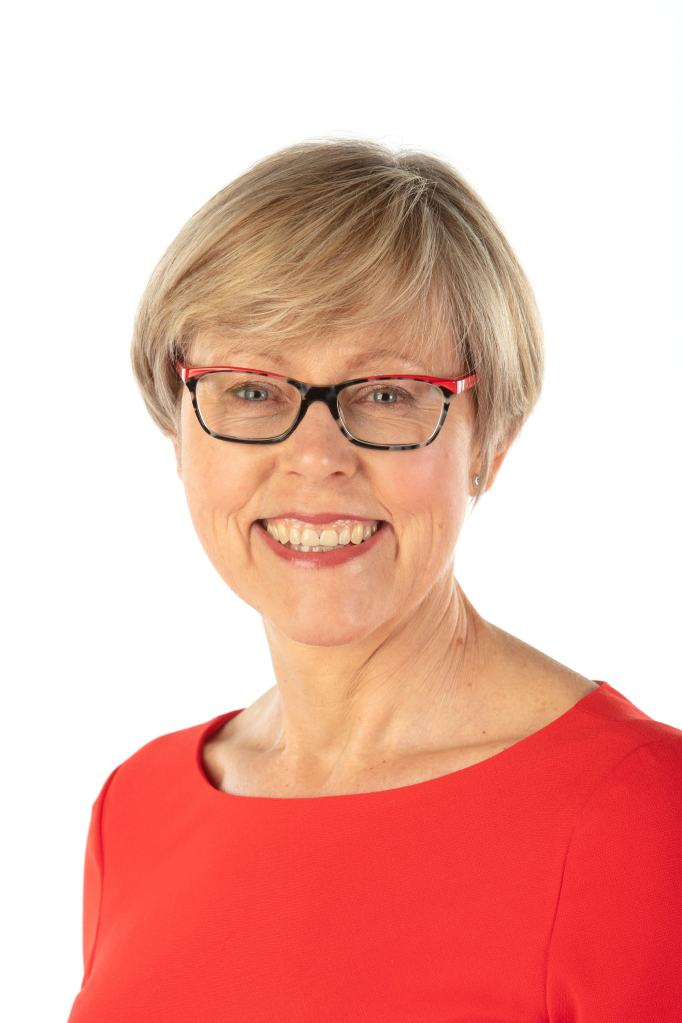
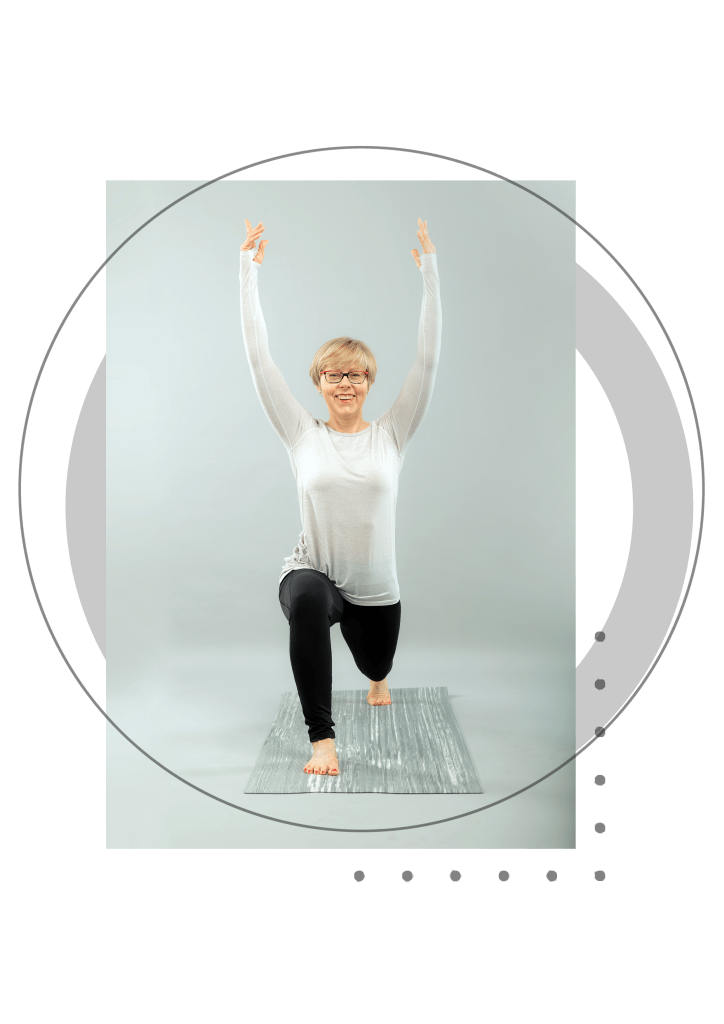
Phillipa Butler is a UK-based Chartered Physiotherapist with a wealth of experience treating musculoskeletal conditions, disorders affecting bones, joints and muscles. She has spent her career developing and refining knowledge and skills and is passionate about movement as medicine. She’s a certified Pilates Mat and Reformer teacher, 200 hours certified Hatha Yoga instructor and certified meditation teacher.
She’s the founder of Precizion Ltd where she offers online physiotherapy advice, private movement coaching, group Pilates and Yoga classes. She runs workshops and provides ongoing support to guide one to optimal health. A firm believer of Movement as Medicine, she has been at it for three decades, working with patients, housewives, career women and athletes to improve their lives through movement and exercise.
“My philosophy in my own life is that prevention is better than cure and I believe that a regular programme of appropriate exercise is the key to a fitter, healthier future. I work to help people to achieve their goals; manage pain, improve mental and physical performance and participate in activities they enjoy,” says Phillipa.
Her programmes improve posture, dynamic balance, and muscle and bone strength. “My movement approaches provide the perfect antidote to the challenges of midlife, ageing and the detrimental impact of our modern lives,” adds Phillipa.
Phillipa Butler
Her ‘Moving through Menopause’ Podcast is now in its fourth season. “It is my contribution to the conversation. Health experts and ordinary people share insights, information and a few giggles,” she states. Listen Here.
In an exclusive conversation with me, she shares health information and advice to help a woman while dealing with menopause up to, through and beyond menopause.
Q: What are the general symptoms of menopause?
A: I was one of the 25% of women who suffered severe symptoms in the peri-menopausal period. Beginning from the age of 45 with a gradual onset, I experienced many symptoms that undermined my ability to perform at work and at home and severely impacted my quality of life. I had always been a healthy specimen and embraced a healthy lifestyle, and like many, I rarely sought the help of my doctor.
Unfortunately, on this occasion, and despite exhibiting a majority of the symptoms of approaching menopause, I found myself misled and mostly unsupported by the healthcare system. Hence my quest was to learn all I could to support my shifting physiology and psychology. I now incorporate all my learning and expertise into the movement programmes that I teach online.
The common symptoms of Menopause include:
Night sweats, hot flushes, irregular heartbeat;
Disrupted sleep, fatigue;
Anxiety, depression, panic disorder;
Digestive problems, bloating, weight gain;
Muscle tension, joint pains, electric shocks, tingling;
Osteoporosis;
Itchy skin, hair loss, brittle nails, allergies, body odour;
A: Menopause marks the end of the reproductive years and is a natural part of ageing that usually occurs between 45 and 55 years of age. Menopause is reached when a year passes without having had a menstrual period. In the UK, the average age for a woman to reach menopause is 51.
Q: How long on average do menopause symptoms last?
A: Menopause arrives after Perimenopause or “pre-menopause” when levels of female sex hormones are gradually declining. You can expect this “pre” menopausal stage to last from a few months up to 10 years. This period of fluctuating hormonal levels is when symptoms are most likely to be experienced.
Q: How important is it to be aware of your body and the changes?
A: Most women will experience some symptoms around menopause, but the age of onset, duration and severity varies greatly from woman to woman. This results in confusion and uncertainty. Some women will proudly announce that they ‘got away with it’, suffering only mild symptoms yet others suffer from heroic levels of determination. For some women, a medley of menopause symptoms makes them wonder whether there is something seriously wrong with them! Unfortunately, a trip to the doctor can result in a varied approach to advice and management and women are not always supported to receive what should be offered.
Women must be aware of the symptoms of menopause and their options for treatment. The National Institute for Clinical Excellence guideline for menopause diagnosis and management states women should be offered HRT for vasomotor symptoms after discussing with them the short-term and longer-term benefits and risks.
I have always embraced a holistic approach to health since my young son was diagnosed with cancer 20 years ago. We have always relied on home-cooked nutritious food and regular exercise as a family. I have used complementary approaches to support our health, including acupuncture, homoeopathy and aromatherapy and rarely resorted to visiting the doctor apart from routine health checks or vaccinations. It is important to understand that I am not opposed to hormonal replacement therapy and, in fact, I take it myself but even this doesn’t necessarily address all of the short and long term health challenges and complementary approaches will sit happily alongside.
Because the challenges of menopause are as many and varied as the women who experience them, I have reached out to experts and professionals through my podcast to bring information and advice to women. Out of that, a group of women we call the Menopause Collective has grown; we aim to offer advice and support to women journeying through menopause.
Q: Why are women gaining fat in menopause?
Fluctuating and falling hormone levels around menopause can affect how we store fat and develop “insulin resistance” making our bodies store, rather than burn calories. Actually, our body needs less energy as we age, studies suggest we may need around 200 calories a day less than we did in the past. Finally, we are losing muscle mass, known as sarcopenia, at around 8% per decade after age 40. Muscle is more metabolically active meaning it burns more energy so less muscle corresponds to more weight gain.
Q: Why do they have hip problems and bone problems too?
A: Oestrogen has a key role in the normal bone cell turnover cycle. Declining bone density is associated with oestrogen decline. Bone density is one factor that affects your bone strength overall, and low bone density or osteoporosis increases your risk of a fracture. Common fracture sites include the wrist, hip and vertebrae. www.nhs.uk/conditions/osteoporosis
Osteoporosis affects men and women of all races. But white and Asian women, especially older women past menopause, are at the highest risk. (Royal Osteoporosis Society) Worldwide, 1 in 3 women over age 50 will experience osteoporosis fractures, but only 1 in 5 men aged over 50 will. (International Osteoporosis Foundation).
A wrist fracture may be the first sign of osteoporosis and is quite common in middle-aged women who put out their arms to break a fall. Just a word to the wise, if I had a pound for everyone I saw who fractured a wrist falling over their dog, I would be a wealthy woman right now! A healthy bone should cope with this kind of force, so these breaks are called fragility fractures. It gets more serious when we discover that around 50% of people with one fracture due to osteoporosis will have another. This is when our overall health and ability to live our lives as we would like become affected. Worse still, a hip fracture is associated with increased mortality risk.
Q: Does a woman feel normal again when it’s all over?
A: What is normal? What is true is that human beings have an amazing capacity to adjust to a new set of circumstances with a degree of amnesia about the past. There is also an unwritten rule that a woman has to bear the burden of hormonal fluctuations, whether at puberty, pregnancy, or menopause. Acceptance is our default, this is not the case for me, and I want all women to know it doesn’t have to be the case for them either.!
So although these physical symptoms can reduce after menopause, this is not always the case, and women in their 70’s can still experience hot flushes and sleeplessness, for instance.
Q: What are the long-term health consequences of oestrogen loss?
A: All women will live the rest of their lives without oestrogen. Life expectancy in the UK from 2017 to 2019 83.1 years for females; this is now a whopping 32 years of living with oestrogen deficiency! So what are the long term health consequences of menopause?
The effects of oestrogen are far-reaching as the 34 symptoms of menopause suggest. The many structures and systems that can be affected include our bones, muscles, brain, cardiovascular system, and pelvic organs. As you probably realise, by now, this is a lifelong deficiency with far-reaching health ramifications.
Q: How can women stay healthy through and beyond menopause?
A: Now we know all about the possible far-reaching effects of declining oestrogen levels, let’s consider the appropriate action to prevent and mitigate these far-reaching effects. There is evidence and a clear consensus that lifestyle management strategies considerably contribute to our ability to improve our symptoms, both in the long and short term.
Exercise can positively influence bone, muscle, the brain, cardiovascular system and even the bits below the waist. Where to begin? With Pilates, of course!
I have incorporated the current guidance and research and the lessons I have learned into the Pilates programmes I now teach for the benefit of all women.
Q: What kinds of exercise should women be doing?
A: Pilates has the potential to positively influence menopause symptoms, bone, muscle, tendon, cartilage, nerves, the brain, heart, and even the bits below the waist! I have incorporated all the lessons I have gleaned from my research and self-experimentation into the Pilates programmes that I now teach. My Pilates for Menopause programmes helps women have better balance, strengthen muscle and bone, improve posture and flexibility, protect the pelvic floor and feel relaxed and invigorated all simultaneously!
The Pilates principles of concentration, control, core, body alignment, and precision nurture the mind-body connection, making Pilates a perfect way to introduce physical training safely in midlife and beyond.
Q: How does training help a person’s posture and ageing?
A: Ageing causes alterations in various body functions, such as motor, sensory, cognitive and psychosocial. One of the factors associated with ageing is the decline in proprioceptive function, this is essential for the body’s normal functioning during movement and maintaining balance.
Pilates is all about proprioception; we increase body awareness and incorporate a deep mind-body connection whilst undertaking our Pilates exercises. Developing an understanding of ‘where your body is in space’ helps us adopt new movement habits such as standing up straighter. My physiotherapy training allows me to choose the exercises that provide the necessary joint mobility and back muscle strength to hold us up.
Phillipa Butler
Q: How does Pilates work? What is Pilates?
A: Pilates is a system of exercises designed to improve physical strength, flexibility, and posture and enhance mental awareness.
The key components are breathing, body alignment, core muscle activation, and always moving with precision and control.
The power of the breath is often underestimated, but breath is the power and movement with breath is Pilates!
Pilates is all about paying attention to how we move and helps us move better, feel better, and look better. I love that Pilates is a whole-body exercise and is suitable for everyone of any age.
When we do Pilates, it creates long, lean muscles, increases flexibility and improves posture. The focus on the core muscles improves the abdominal muscle tone and can promote weight loss.
Pilates Integrates the body and mind, and you will leave a class feeling energised, not drained!
Q: How long should a menopausal woman workout in a week?
A: When it comes to improving athletic performance, the American College of Sports and Exercise Medicine (ACSEM) has a model for fitness that incorporates six key parameters: muscular strength, muscular endurance, cardiorespiratory endurance, neuromuscular control, body composition and flexibility.
Training effects will only be realised if we apply the principle of overload. What that means is that for any exercise the last couple of repetitions should ‘feel difficult’.
Valuable guidance exists in the Royal Osteoporosis Society Consensus statement on physical activity and exercise for osteoporosis published in 2019. The recommendations from the Royal Osteoporosis Society provide a good starting point when considering the ‘dose’ of resistance training that is advisable.
On 2-3 days a week undertake activities or exercise to feel a push or pull on the muscles (explain mild discomfort afterwards is normal).
For maximum benefit, depending on fitness levels, recommend increasing the intensity of exercise to work muscles harder using weights or resistance bands.
Build up to 3 sets of exercises with 8-12 repetitions of the maximum weight that can be lifted safely.
But we must remember that strength training is only one part of a programme to achieve physical fitness. Luckily this is my bread and butter, and flexibility, muscular strength and endurance, flexibility and neuromuscular control are all taken care of. So all you need to do is fit in your daily walking and appropriate nutrition.
Q: How much should a woman walk in a day?
A: I aim for 10,00 steps a day. But we must remember why we are doing it; for heart health, how we do it matters. I maintain that it must be purposeful walking and that you cannot count pottering around your usual day as your steps. Yes, it is better to be pottering around than sitting down all day, but as with all these things, there is a bit of science involved, so the intensity of the activity matters.
The general recommended exercise intensity from the American Heart Association to prevent cardiovascular diseases is 30 minutes, five times a week to reach at least 150 minutes per week of moderate exercise, or 25 minutes, three times a week to reach at least 75 minutes per week of vigorous activity. It could be a mix of both, of course.
To understand exercise intensity, we can measure the heart rate. The American Heart Association recommends exercising with a target heart rate of 50 to 75 per cent of your maximum heart rate for beginners and moderately intense exercise. You can work at 70 to 85 per cent of your maximum heart rate during vigorous activity.
You can calculate your maximum heart rate threshold using the equation 220 minus your age. Then the threshold is a percentage of that figure. At 54, my maximum HR is 166, 50% is 83bpm, 75% is 124bpm. I use a wearable device to monitor my activities and my heart rate while doing it. Now you know what it takes to feel fitter. It is important to know that anything is better than nothing, and Rome wasn’t built in a day!
Q: What are the benefits of strength training?
A: Resistance training will combat the effects of sarcopenia. Studies have found that both resistance training and aerobic exercise increase muscle protein synthesis and improve muscle function irrespective of age and may help counteract some of the effects of ageing. Reference
Most women love the discovery that an increase of 2kg of muscle will provide a 10% increase in the Basal Metabolic Rate. Developing strong and toned muscles will make clothes fit better and increase self-confidence.
Resistance training makes us feel better, and Brain-derived neurotrophic factor (BDNF) is released. This is like a fertiliser for the brain and guards against neurodegeneration. Studies show that regular exercise can reduce the risk of developing dementia by about 30 per cent, and by 45 per cent for Alzheimer’s disease specifically.
My message is that regular exercise can transform how we feel physically and emotionally and protect us from illness and disease. It can be a lot of fun too, so what are you waiting for? Your time is now.
(Phillipa Butler can be contacted via email if you have any questions: hi@precizion.co.uk)
Polycystic Ovary Syndrome is a lifestyle disease caused by hormonal disorders. The incidence of this syndrome affecting young girls and women is on the rise. A mix of lifestyle changes such as healthy food and a regular exercise regime and medications in some cases can help alleviate the symptoms, explain health experts.
shillpi a singh
Nutritionist and Health Coach Voomika Mukherjee got a bolt from the blue in 2019 when medical conditions caught her off guard. “I suddenly had many medical issues like PCOD symptoms, one year of stress followed by anxiety, almost six months of sleepless nights, finally into depression and mood swings and a lot more. This whole journey made me gain 40 kg. My personal and professional lives were adversely affected. I lost myself, smile, sleep, and peace and went into depression. The frequent migraine attacks made it worse for me,” recalls Mukherjee, who is one of the many young girls and women who bear the mental burden of a physical disease – Polycystic Ovary Syndrome (PCOS) – silently for years.
Like Mukherjee, lawyer Richa Srivastava also first learned about her PCOS in 2019. The trigger was a missed period! “I was prescribed some hormonal tests to conclude the findings and it was unfortunately confirmed with a high AMH (Anti Mullerian Hormone test). The doctor prescribed a 21-day birth control pill but I refused to take that. I read up that PCOS is a lifestyle disease so was told that making lifestyle changes such as healthy food and a regular exercise regime would definitely help alleviate the symptoms. I tried that for some time but couldn’t follow it religiously,” says Srivastava, recounting her struggles with PCOS.
Understanding PCOS
PCOS is a common hormonal disorder in young girls and women that brings along a lot of physical changes and also mental health issues. The mental burden of being diagnosed with PCOS is because the symptoms have a physical manifestation and also impact mental health. Dr Akanksha Tripathi, Consultant Obstetrics and Gynaecologist, Paras JK Hospital, Udaipur, says, “Patients get panicky when they read about the long-term effects associated with PCOS as results take time. Patients are overweight/obese, have acne or facial hair, thinning of hair, which leads to low self-esteem and poor confidence, impacting their mental health. Sometimes depression has been seen in a few patients.”
Differentiating between Polycystic Ovarian Disorder (PCOD) and PCOS, Dr Gandhali Deorukhkar, Gynaecologist & Obstetrician, Wockhardt Hospital, Mumbai Central, says, “PCOD is a condition in which ovaries produce many immature or partially mature eggs, this happens due to poor lifestyle, obesity, stress and hormonal imbalance. PCOS is a metabolic disorder and a more severe form of PCOD that can lead to anovulation where ovaries stop releasing eggs.”
On the other hand, Dr Neema Sharma, Director, Obstetrics and Gynaecology, Fortis Hospital, Vasant Kunj, says that PCOD is an old term. “PCOD has been replaced by PCOS because it’s not a disorder. It’s just a lifestyle disease and it is a syndrome so it has been replaced by the term called PCOS,” she claims.
Dr Deorukhkar adds that PCOD is a disease in which a lot of obesity is involved, along with cosmetic problems like acne or irritation, a lot of hair fall, hair thinning, bald patches on the head, and male pattern facial hair growth. “So this makes women vulnerable to body shaming and they are depressed. They’re extremely anxious and nervous about facing society and generally in a slump because of the metabolic syndrome,” emphasises Dr Deorukhkar.
Explaining the term, Dr Sharma, states that PCOS has a few clinical features, a few biochemical features and then there are ultrasound parameters. “It is actually a hormonal imbalance or actually it is also a lifestyle disease that can affect young girls and it can happen later as well. The common symptoms are prolonged cycles means a girl starts skipping her periods or they can be scanty periods. It can be in 45 days, two months, sometimes six months or even a year,” says Dr Sharma. Apart from excessive pimples or acne, facial hair, which can be male pattern kind of facial hair on the face or the chest, hair fall, male pattern baldness, there can be excessive weight gain, and a girl/woman suffering from PCOS. “There is usually weight gain in the trunkal part. The waist-hip ratio gets altered,” she explains.
Diagnosing PCOS
The first thing that Dr Sharma advises is an ultrasound to understand the typical polycystic patterns of the ovary. “The ovary is a little bulky, and there are polycystic ovaries. There are multiple small cysts in the ovaries. We do the blood test on the second day of the period to know the extent of hormonal imbalances like a follicle-stimulating hormone, luteinizing hormone, estradiol, followed by thyroid levels, prolactin levels, blood sugar, lipid profile, and serum testosterone levels. Suppose the girl/woman is having excessive facial hair. In that case, we do certain other tests to know if there’s any other reason for excessive facial hair like dehydroepiandrosterone sulfate 17 and alpha hydroxyprogesterone,” she states.
Dr Tripathi agrees that menstrual irregularity, delayed cycle, acne, skin pigmentation over the neck, increase facial hair growth are all a part of metabolic syndrome. “They are multi-factorial and poor lifestyle, poor eating habits, lack of exercise and a sedentary lifestyle can add to the woes of a girl/woman with PCOS,” she adds.
Dr Sharma says that it can happen to any girl/woman as it’s a lifestyle disease. “PCOS can also be caused because of excess insulin in the body. There is a condition called insulin resistance, which happens in PCOS because excessive insulin resistance, may increase male hormonal levels in the body, which may cause difficulty in ovulation. And as a result, they have male kind of androgen in excess of androgen levels, which can cause acne facial hair, and delayed cycles,” says Dr Sharma.
Treatment plan
A woman with PCOS often gets prolonged cycles because of anovulation. It means that they don’t ovulate every month because of the increased insulin levels. “There is no ovulation, and if there is no ovulation, she doesn’t get periods on time and that is the cause of her prolonged cycles. So the diagnosis is a combination of clinical features, ultrasound and blood test. Once we have confirmed that yes, she has PCOS, then it’s important to follow up with these patients with regular monitoring of their blood pressure, regular monitoring of their sugars, cholesterol triglyceride levels, and it’s also important to screen for depression and anxiety,” explains Dr Sharma.
First and foremost, Dr Sharma adds that often PCOS is associated with some kind of mental health issues and it needs to be addressed well on time. “Both proper cycle treatment and psychological counselling are important aspects for young girls/women,” she says.
There is no one size that fits all. There is no such common treatment plan because every girl/woman is a different individual and she could suffer from different symptoms. It could be not getting periods on time, acne, facial hair, difficulty in conceiving or miscarriage or recurrent miscarriages so the management and treatment would be customised accordingly. “A girl/woman may have good skin or she may have acne full skin. Another girl may have regular periods and another PCOD girl may have irregular periods. So the treatment plan is not common for all the PCOD goals and it needs to be individualised as per the patient,” says Dr Deorukhkar.
The first line of PCOS management is always lifestyle modification. “PCOS is all about adopting a healthy lifestyle to improve the hormonal imbalance. A healthy lifestyle includes healthy dietary intake, regular exercise and regular sleep. Complex Carb Diet, a combination of cardio and strength, and staying committing to the goal,” adds Mukherjee.
Dr Sharma explains that dietary changes are needed to maintain weight while including at least 30 minutes of exercise will help maintain BMI. “These together will help maintain a proper waist-hip ratio that gets altered in a woman/girl with PCOS. So that has to be managed.” She advises medications to regularise cycles, fix acne issues, address hair fall and hair thinning, but once these pills are stopped, then the symptoms will reappear. “There is no permanent solution for PCOS. Lifestyle modification alone can help control the symptoms,” argues Dr Sharma.
For facial hair too, the first line of treatment would be conservative – threading, facial or even laser treatment. If these measures don’t work, then there is a medicine to block the effect of male hormones on the skin. “It helps those with excessive facial hair and hair fall. But it is not recommended if one is pregnant or planning to become pregnant. Then there are certain local creams available for facial hair growth, which can be tried,” says Dr Sharma. The tablet is a birth control pill containing estrogen and anti-testosterone, which decreases androgen levels.
There is great emphasis on lifestyle modification if diagnosed with PCOS by all health experts because any lax can have serious consequences. “It can give rise to sub-fertility or infertility. It is a precursor of chronic diabetes, Type 2 diabetes, hypertension, sleep apnoea syndrome, endometrial carcinoma, etc.,” warns Dr Tripathi.
After two years, Srivastava was prescribed another drug to control PCOS but she realised that PCOS can never be cured fully but only controlled to some extent by a mix of drugs and healthy lifestyle choices. “The most drastic side effect that I faced and still am is infertility. It makes it difficult to conceive with PCOS but not to say that PCOS people don’t ever conceive. I have heard and seen many people with a history of PCOS successfully getting pregnant and having healthy children! I hope the same for myself,” she adds on how PCOS has come across as the biggest stumbling block in her motherhood journey.
As for women like Srivastava who have been having difficulty in conceiving, Dr Sharma suggests medication to stimulate the ovaries. “The ovulation-inducing drugs stimulate the ovaries and help in the formation of eggs. Another treatment is Metformin. Suppose if there’s a young girl with very high levels of sugars and a very high level of fasting insulin level, then we advise Metformin, which is actually an insulin sensitizer. It improves insulin resistance, lowers insulin levels, and helps spontaneous ovulation.”
Genes are the cause
Excess insulin is one of the reasons for PCOS. “It is hereditary. There are certain genes but are not yet confirmed,” says Dr Sharma.
Deorukhkar claims that PCOD is a genetic thing and so doesn’t have a permanent cure. “It’s a gene that is passed on from generation to generation. The girls are born with polycystic ovaries and it manifests at some point of time in their life. The ovaries become bulky, due to the storage of eggs,” she elucidates.
The other health complications that could arise because of PCOD could be obesity, high blood pressure and high cholesterol, high triglycerides and high sugars. “That is basically a pre-diabetic or raised insulin levels in PCOD girls which leads to where there could be thyroid imbalance and the prolactin hormone imbalance as well. All factors can lead towards metabolic syndrome, which is a triad of obesity, hypertension and high sugars,” explains Dr Deorukhkar.
She warns that PCOD patients could face a problem called gestational diabetes during pregnancy. “The sugar starts rising in the third trimester and sometimes needs insulin for correction till the delivery of the baby. If the sugars are not controlled, it can lead to harmful effects to the foetus,” she says.
Family’s role
Once the parents notice the tell-tale signs, they can consult the doctor, educate themselves and help their daughters. “Parents can help their girls in developing good eating habits, giving emphasis on outdoor sports or physical exercise, avoiding junk and consult the doctor as soon as the symptoms appear. They could become their exercise partners,” advises Dr Tripathi.
It took 1.5 years of struggle for Mukherjee to get a grip on herself and take adequate steps to manage PCOS that had wreaked havoc in her life. “In short, I went through hell and it took almost 12-18 months to get myself back with a peaceful mind, relaxed calm environment, and proper self-guidance. My parents gave me immense support and now I’m almost out of my medical condition. No PCOS symptoms and no depression. I’m living my life to the fullest,” says Mukherjee.
Parents can help their daughters by educating themselves with the observations and treatment modalities of PCOS patients. Deorukhkar elucidates that there is a PCOS Society of India that can help parents with the necessary information.
The men have an important role to play in the life of a woman diagnosed with PCOS because they need to give full-fledged support to their partners. “These women have been body-shamed because of their obesity. These women have faced the social stigma of having a face full of acne, or hair on the face, and severe hair fall. Some girls need to shave their beard kind of hair on their face. So men need to be educated about PCOD so that they stop making fun of their partners or other females,” says Deorukhkar.
Mukherjee who bravely fought the PCOS battle and won it too has an important piece of advice for those who are yet to come to terms with the syndrome. “I realize that there are a lot of women out there who are shattered after being diagnosed with PCOS. But let me assure you that you can get this under your control with the right knowledge and mentoring. You are the priority for yourself. If you are happy, fit and healthy and have a peaceful mind, then you can stay happy and take care of yourself and your family too,” she says in the parting.
DIETARY GUIDELINES FOR PCOS
(By Voomika Mukherjee)
It increases the risk of insulin resistance, making the body prone to diabetes.
Eat more fresh produce with more fibre content.
PCOS consume more unprocessed grains like wheat, rice, jowar, bajra, ragi, barley etc.
Include good quality proteins in the daily diet (eg. milk, paneer, curd, eggs, white meat)
Consuming food sources of unsaturated fats like nuts (walnuts, almonds, cashew nuts) and seed oils (mustard oil, sesame oil, groundnut oil) are important.
Consume more soybean and flaxseeds as they boost the function of female hormones and make their work more effective.
Reducing consumption of caffeine-containing beverages may be helpful as they reduce iron absorption in the body.
Exercising every day for around 30-45 minutes is essential as it helps in increasing insulin sensitivity.
Home remedies for PCOS weight loss
(By Voomika Mukherjee)
Cinnamon Powder: Add one teaspoon of cinnamon powder to a glass of hot water. Drink it daily for a few months. You can also include this spice in your diet by sprinkling cinnamon powder on your cereal, oatmeal, yoghurt, cottage cheese, peanut butter sandwich and other foods.
Flaxseeds: Mix one or two tablespoons of freshly ground flaxseeds in a glass of water & drink it daily. Also include ground flaxseeds in your diet regularly by adding them to your smoothies, soups and salads.
Apple cider vinegar: It helps to control blood sugar and keeps your body from producing too much insulin. Less insulin means less testosterone. Plus, it will help you lose weight and improve your overall health. Take 1 tsp apple cider vinegar with 1 glass of water.
Spearmint Tea: Spearmint tea can also help deal with PCOS due to its anti-androgenic properties. Drinking spearmint tea can help reduce hirsutism or excess body hair, by reducing free and total testosterone levels and increasing luteinizing hormone (LH) and follicle-stimulating hormone (FSH) levels.
Studies and research suggest that the physiological effects of drinking coffee can extend beyond a small dose of wakefulness, but only if done in moderation.
Shillpi A Singh
“The powers of a man’s mind are directly proportioned to the quantity of coffee he drinks,” stated Sir James Mackintosh, a caffeinator who believed that coffee helped improve understanding.
Here’s what a fact-check of Mackintosh’s statement reveals about the impact of caffeine on depression, skin health, blood pressure and blood sugar.
Coffee and depression
Ask a caffeinator why they rush for a cup of coffee when they feel a bit low, and pat would come to the response… it gives an immediate boost of energy. Caffeine, the stimulant found in beverages like coffee, is a probable mood-lifter. Perhaps that’s the reason why most people consume coffee with the US alone accounting for over 600 million cups of coffee being guzzled each day.
Research into coffee and depression has found that people tend to experience less severe symptoms when they drink coffee.
A large longitudinal study titled Coffee, Caffeine, and Risk of Depression Among Women, found that depression risk decreases with increasing caffeinated coffee consumption. A meta-analysis with a dose-response analysis quantitatively summarized that coffee and caffeine consumption were significantly associated with decreased risk of depression.
Dr Kriti Anand, Associate Consultant, Psychiatry, Paras Hospitals, Panchkula, states, “Caffeine may be considered as the much-needed accelerator included in medication to help you feel quick relief. The plant-based substance may also help some people deal with the effects of depression.”
Elucidating it further, Dr Anand adds that depression is a mood disorder that affects approximately 1 in 5 Indians in a lifetime, and is often treated using a combination of psychotherapy and medication.
“An analysis of the relationship between caffeine and depression found that caffeine consumption decreased depression risk. Another study found a connection between decreased depression and coffee consumption, but no connection with other caffeinated drinks. These findings suggest that it is something in coffee that reduces the risk for depression, not caffeine,” he claims.
Caffeine may help relieve depressive symptoms or protect against depression suggests Research. A 2016 meta-analysis accounting for 3,46,913 individuals and 8,146 cases of depression suggested that coffee consumption may have a protective effect. A dose-response analysis suggests a J-shaped curve, with the effect reported for up to approx 300 mg of caffeine (about 4 cups of coffee) per day.
However, the risks of drinking too much coffee galore among those looking for energy to push through with their jobs or studies. According to Food and Drug Administration, four regular-sized cups of coffee is considered generally safe. However, drinking coffee can produce side effects such as restlessness, rapid heartbeat and insomnia.
Quoting studies, health experts advise moderation because more than four cups of coffee per day can have an adverse impact on the body. Some people reported heightened anxiety, headaches and agitation on the consumption of more than four cups. The Diagnostic and Statistical Manual of Mental Disorders, which is used to assess and diagnose mental disorders, calls it “coffee intoxication”.
“Caffeine consumption in children and teenagers was found to increase depression among 5th and 10th graders. Caffeine has a negative impact on sleep, and that could affect a person’s mood. The type of caffeinated drink, person’s age and sensitivity to caffeine also have a role to play,” says Dr Anand.
Studies have found positive benefits of coffee on the body such as lowering the risk of getting cancer or stroke, developing dementia and Parkinson’s disease. That’s not all. The effects of caffeine along with the protective compounds found in coffee beans can considerably lower the potential of developing Alzheimer’s disease and improve mental cognitive abilities.
“The powers of a man’s mind are directly proportioned to the quantity of coffee he drinks,” stated Sir James Mackintosh, a caffeinator who believed that coffee helped improve understanding.
Well, we at THIP fact-checked Mackintosh’s statement to find out more about the impact of caffeine on depression, skin health, blood pressure and blood sugar, and this is what we found.
Coffee and diabetes
There is good news for those who can’t face the day till they have downed a cup of coffee. A study by Harvard School of Public Health researchers found that coffee consumption lowered women’s risk of type 2 diabetes by 8%, while for men it was 4% by drinking regular coffee and 7% for decaffeinated coffee.
The 2012 findings made the case that coffee is a healthy drink for most people. But conditions apply, coffee is good as long as it isn’t loaded with cream and sugar.
However, caffeine affects every person differently. If a person already has diabetes, the impact of caffeine on insulin action may be associated with higher or lower blood sugar levels. In other words, coffee could have adverse effects on those who already have type 2 diabetes. Coffee can raise blood sugar and insulin levels for diabetics because caffeine can affect how the body responds to insulin, the hormone that allows sugar to enter the cells and get converted into energy.
Caffeine may lower insulin sensitivity. In other words, the cells don’t react to the hormone as much as they once did or don’t absorb as much sugar from blood after a meal or a drink. It causes the body to make more insulin, so sugar levels are higher than normal after meals. Caffeine may make it tougher for a person with type 2 diabetes to bring down insulin to a healthy point and may lead to too-high blood sugar levels. Over time, this may raise the chance of diabetes complications, like nerve damage or heart disease.
Dr Gaurav Palikhe, Consultant, Endocrinology, Paras Hospitals, Panchkula, agrees that it has been proven from various studies that coffee acutely raises blood glucose due to various mechanisms like antagonism to adenosine receptors in muscle, the release of catecholamines and stimulation of lipolysis. “Though in the long term, it has been shown to prevent diabetes from epidemiological studies. This specific 50% rise in blood glucose was found in a study by UK researchers published in the British Journal of Nutrition in 2020. They found 50% more blood glucose rise following ingestion of black coffee preceding breakfast. Hence, the take-home point from this is that it’s better to take coffee sometime after the completion of breakfast to prevent this rise in postprandial blood rise in blood glucose.”
Coffee and blood pressure
Research indicates that coffee consumption may increase blood pressure for a short time. A review of 34 studies showed that 200-300 mg of caffeine from coffee (approximately 1.5-2 cups) led to an average increase of 8 mm Hg and 6 mm Hg in systolic and diastolic blood pressure, respectively.
The impact was visible for up to three hours after coffee consumption, and results were similar in people with normal blood pressure at baseline and those with pre-existing high blood pressure. However, interestingly, regular coffee consumption is not associated with the same impact on blood pressure — which may be due to the caffeine tolerance that develops when you habitually drink it.
To explain this phenomenon, Dr Smriti Naswa, Consultant Clinical, Pediatric & Cosmetic Dermatologist, Fortis Hospital Mulund, Mumbai, says, “Coffee has caffeine. It can lead to increased heart rate, blood pressure by constricting blood vessels. A good blood supply to the skin ensures toxin removal and rejuvenation of the skin which doesn’t happen with the caffeine effect.”
However, she warns against excess consumption of coffee. “The dehydrating properties of coffee make skin looks dry, lusterless, and also aged (if someone binges on coffee or tea). Moreover, it is also acidic (just like tea) and can enhance ageing,” says Dr Naswa.
So health experts and studies advise that coffee consumption can be good for health, but only if done in moderation.
नज़ीर अकबराबादी दुनिया के पहले एडवरटाइजिंग जिंगल राइटर थे।उन्होंने लगभग हर चीज़ पर नज़्म लिखी है। नज़ीर ऐसे जनकवि थे जिन्हें आप कुछ भी दे दीजिये, वो उसको बेचने के लिए आम जन की जुबान में नज़्म लिख डालते थे।रंगकर्मी, शायर और लेखक हबीब तनवीर ने अपने सबसे यादगार कृति ‘आगरा बाज़ार’ में शायर नज़ीर अकबराबादी की नज़्मों को पहली बार १९५४ में नाट्य रूप में पेश किया था।आगरा के बाज़ार में घोर मंदी छाई हुई थी और कुछ भी नहीं बिक रहा था। वहां एक ककड़ी वाले के दिमाग़ में यह बात आयी कि यदि कोई कवि उसकी ककड़ी के गुणों का बखान कविता में कर दे तो बिक्री ज़रूर बढ़ेगी। वो कई शायरों के पास गया पर कोई भी इस काम के लिए राज़ी नहीं हुआ । अंत में वह शायर नज़ीर साहब के पास पहुंचा। उन्होंने फौरन उसका काम कर दिया। वह नज़ीर की लिखी ककड़ी पर…






 mindthegapalways