Category Archives: Uncategorized

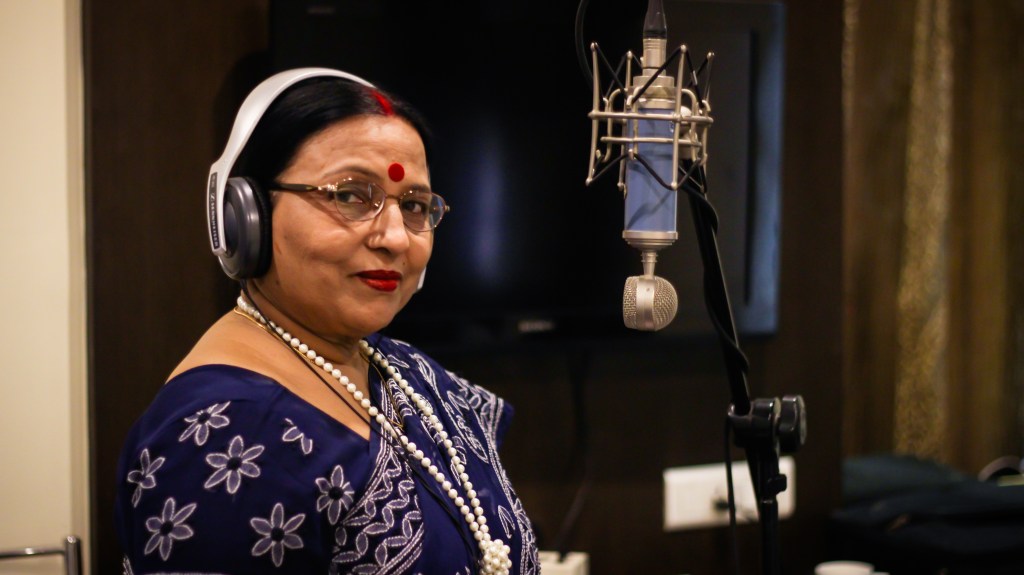
Sharda Sinha: The Voice of Bihar’s Folk Music Renaissance

Love yourself the most!
13 ways to fall head over heels in love with yourself…
Self-love is a crucial aspect of personal well-being and happiness. It involves valuing yourself and prioritizing your needs without compromising your well-being to please others. Understanding what self-love means to you is essential for maintaining good mental health.
Embracing self-love offers numerous advantages, including increased life satisfaction and a more positive outlook on life. It allows you to develop a strong sense of self-worth and confidence in your abilities and place in the world. Furthermore, self-love plays a vital role in maintaining optimal mental health.

Achieving Total Self-Love: 13 Steps
Embrace Your Uniqueness: Instead of comparing yourself to others, focus on your personal journey and growth. Recognize that there is no one else like you, and direct your energy towards self-improvement and personal fulfillment.
Ignore Society’s Expectations: Avoid concerning yourself with societal opinions and expectations. It is impossible to please everyone, so prioritize your own well-being and disregard the pressure to conform.
Learn from Mistakes: Give yourself permission to make mistakes. Mistakes are valuable opportunities for growth and learning. Embrace your past experiences, understanding that they contribute to your ongoing development.
Value Yourself Beyond Appearance: Recognize that your value as a person is not solely determined by your physical appearance. Reject societal pressures and wear what makes you feel confident, comfortable, and happy.
Let Go of Toxic Relationships: Identify and distance yourself from individuals who bring toxicity into your life. It may be difficult, but removing such negative influences is liberating and necessary for your personal growth and well-being.
Confront Your Fears: Instead of avoiding or suppressing your fears, face them head-on. Analyze and understand your fears, which can help alleviate anxiety and provide clarity in your life.
Trust Your Decision-Making Abilities: Believe in yourself and your capacity to make sound decisions. Your feelings and intuition are valid, and you know yourself better than anyone else. Advocate for yourself and trust your instincts.
Seize Opportunities: Don’t wait for the perfect moment to pursue your goals and dreams. Recognize that circumstances may never be ideal, but taking action and seizing opportunities can lead to personal growth and fulfillment.
Prioritize Self-Care: Don’t feel guilty about prioritizing your own well-being. Set aside time for self-care activities that help you decompress and recharge. Whether spending time in nature or engaging in activities that bring you joy, prioritise self-care.
Embrace Your Emotions: Allow yourself to fully experience a range of emotions, both positive and negative. Embrace pain and joy, as they provide valuable insights into your own nature. Remember, your feelings do not define your identity.
Express Yourself Boldly: Practice speaking your mind and expressing your thoughts and opinions. Boldness is a skill that grows with practice. Take a seat at the table, contribute to conversations, and assert your voice confidently.
Appreciate Simple Pleasures: Make a conscious effort to notice and appreciate the beauty in small things around you. Cultivate gratitude for these simple pleasures, as it brings perspective and enhances your ability to find joy.
Practice Self-Compassion: Be kind to yourself in a world full of criticism. Avoid negative self-talk and celebrate your progress and growth. Regularly acknowledge and appreciate your accomplishments, not just on special occasions.
By following these 13 steps, you can embark on a journey towards total self-love, fostering a healthy and positive relationship with yourself while prioritizing your well-being and happiness.
हुस्न हम!
शिल्पी
इश्क़ हम!
फिर तुम कौन खामखा?

A cuppa of coffee is brewing with health benefits?
Studies and research suggest that the physiological effects of drinking coffee can extend beyond a small dose of wakefulness, but only if done in moderation.
Shillpi A Singh
“The powers of a man’s mind are directly proportioned to the quantity of coffee he drinks,” stated Sir James Mackintosh, a caffeinator who believed that coffee helped improve understanding.
Here’s what a fact-check of Mackintosh’s statement reveals about the impact of caffeine on depression, skin health, blood pressure and blood sugar.
Coffee and depression
Ask a caffeinator why they rush for a cup of coffee when they feel a bit low, and pat would come to the response… it gives an immediate boost of energy. Caffeine, the stimulant found in beverages like coffee, is a probable mood-lifter. Perhaps that’s the reason why most people consume coffee with the US alone accounting for over 600 million cups of coffee being guzzled each day.
Research into coffee and depression has found that people tend to experience less severe symptoms when they drink coffee.
A large longitudinal study titled Coffee, Caffeine, and Risk of Depression Among Women, found that depression risk decreases with increasing caffeinated coffee consumption. A meta-analysis with a dose-response analysis quantitatively summarized that coffee and caffeine consumption were significantly associated with decreased risk of depression.
Dr Kriti Anand, Associate Consultant, Psychiatry, Paras Hospitals, Panchkula, states, “Caffeine may be considered as the much-needed accelerator included in medication to help you feel quick relief. The plant-based substance may also help some people deal with the effects of depression.”
Elucidating it further, Dr Anand adds that depression is a mood disorder that affects approximately 1 in 5 Indians in a lifetime, and is often treated using a combination of psychotherapy and medication.
“An analysis of the relationship between caffeine and depression found that caffeine consumption decreased depression risk. Another study found a connection between decreased depression and coffee consumption, but no connection with other caffeinated drinks. These findings suggest that it is something in coffee that reduces the risk for depression, not caffeine,” he claims.
Caffeine may help relieve depressive symptoms or protect against depression suggests Research. A 2016 meta-analysis accounting for 3,46,913 individuals and 8,146 cases of depression suggested that coffee consumption may have a protective effect. A dose-response analysis suggests a J-shaped curve, with the effect reported for up to approx 300 mg of caffeine (about 4 cups of coffee) per day.
However, the risks of drinking too much coffee galore among those looking for energy to push through with their jobs or studies. According to Food and Drug Administration, four regular-sized cups of coffee is considered generally safe. However, drinking coffee can produce side effects such as restlessness, rapid heartbeat and insomnia.
Quoting studies, health experts advise moderation because more than four cups of coffee per day can have an adverse impact on the body. Some people reported heightened anxiety, headaches and agitation on the consumption of more than four cups. The Diagnostic and Statistical Manual of Mental Disorders, which is used to assess and diagnose mental disorders, calls it “coffee intoxication”.
“Caffeine consumption in children and teenagers was found to increase depression among 5th and 10th graders. Caffeine has a negative impact on sleep, and that could affect a person’s mood. The type of caffeinated drink, person’s age and sensitivity to caffeine also have a role to play,” says Dr Anand.
Studies have found positive benefits of coffee on the body such as lowering the risk of getting cancer or stroke, developing dementia and Parkinson’s disease. That’s not all. The effects of caffeine along with the protective compounds found in coffee beans can considerably lower the potential of developing Alzheimer’s disease and improve mental cognitive abilities.
“The powers of a man’s mind are directly proportioned to the quantity of coffee he drinks,” stated Sir James Mackintosh, a caffeinator who believed that coffee helped improve understanding.
Well, we at THIP fact-checked Mackintosh’s statement to find out more about the impact of caffeine on depression, skin health, blood pressure and blood sugar, and this is what we found.
Coffee and diabetes
There is good news for those who can’t face the day till they have downed a cup of coffee. A study by Harvard School of Public Health researchers found that coffee consumption lowered women’s risk of type 2 diabetes by 8%, while for men it was 4% by drinking regular coffee and 7% for decaffeinated coffee.
The 2012 findings made the case that coffee is a healthy drink for most people. But conditions apply, coffee is good as long as it isn’t loaded with cream and sugar.
However, caffeine affects every person differently. If a person already has diabetes, the impact of caffeine on insulin action may be associated with higher or lower blood sugar levels. In other words, coffee could have adverse effects on those who already have type 2 diabetes. Coffee can raise blood sugar and insulin levels for diabetics because caffeine can affect how the body responds to insulin, the hormone that allows sugar to enter the cells and get converted into energy.
Caffeine may lower insulin sensitivity. In other words, the cells don’t react to the hormone as much as they once did or don’t absorb as much sugar from blood after a meal or a drink. It causes the body to make more insulin, so sugar levels are higher than normal after meals. Caffeine may make it tougher for a person with type 2 diabetes to bring down insulin to a healthy point and may lead to too-high blood sugar levels. Over time, this may raise the chance of diabetes complications, like nerve damage or heart disease.
Dr Gaurav Palikhe, Consultant, Endocrinology, Paras Hospitals, Panchkula, agrees that it has been proven from various studies that coffee acutely raises blood glucose due to various mechanisms like antagonism to adenosine receptors in muscle, the release of catecholamines and stimulation of lipolysis. “Though in the long term, it has been shown to prevent diabetes from epidemiological studies. This specific 50% rise in blood glucose was found in a study by UK researchers published in the British Journal of Nutrition in 2020. They found 50% more blood glucose rise following ingestion of black coffee preceding breakfast. Hence, the take-home point from this is that it’s better to take coffee sometime after the completion of breakfast to prevent this rise in postprandial blood rise in blood glucose.”
Coffee and blood pressure
Research indicates that coffee consumption may increase blood pressure for a short time. A review of 34 studies showed that 200-300 mg of caffeine from coffee (approximately 1.5-2 cups) led to an average increase of 8 mm Hg and 6 mm Hg in systolic and diastolic blood pressure, respectively.
The impact was visible for up to three hours after coffee consumption, and results were similar in people with normal blood pressure at baseline and those with pre-existing high blood pressure. However, interestingly, regular coffee consumption is not associated with the same impact on blood pressure — which may be due to the caffeine tolerance that develops when you habitually drink it.
To explain this phenomenon, Dr Smriti Naswa, Consultant Clinical, Pediatric & Cosmetic Dermatologist, Fortis Hospital Mulund, Mumbai, says, “Coffee has caffeine. It can lead to increased heart rate, blood pressure by constricting blood vessels. A good blood supply to the skin ensures toxin removal and rejuvenation of the skin which doesn’t happen with the caffeine effect.”
However, she warns against excess consumption of coffee. “The dehydrating properties of coffee make skin looks dry, lusterless, and also aged (if someone binges on coffee or tea). Moreover, it is also acidic (just like tea) and can enhance ageing,” says Dr Naswa.
So health experts and studies advise that coffee consumption can be good for health, but only if done in moderation.
My life and its stories
The raconteur and his stories…


2021: A year of Love, Labour and Loss
Love is a mystery. Love is unitive. Love is how we connect as human beings with one another and with the whole universe together. Love is how we learn, become better, and make the world a better place to live for us and others. Love needs freedom to breathe, equality to thrive, and openness to flow and grow. Love is personal, political, philosophical, sexual, social, historical, metaphysical, transcendental, et al. Sadly, we have only one word to describe such a complex emotion. The ancient Greeks had six different words, but even that’s not enough. 2021 taught me new ways to describe the complexity of love and its various hues. Love lost on many counts, but it miraculously sprang on a few occasions like a phoenix. My LOVE vocabulary was defined and redefined by people who touched my life one way or another this year.
shillpi a singh
LOVE IS ART: Cheriyal scroll painters
The handful of artists belonging to the Nakash caste and hailing from Cheriyal village in Telangana are the keepers of the visual form of storytelling popularly named after them as Nakashi art or Cheriyal paintings. Over the years, these artists have painstakingly preserved the rich cultural tradition of using pictures to tell stories from Indian mythology and local folklore. The proponents of this art form are heavily dependent on their art for survival, but the 15-month lockdown left them in the throws of woes.

“The Cheriyal art is on the brink of extinction. Today, only seven families are engaged in this art form. Five of these belong to the Nakashi community, and the others are outsiders who learned it from my father, D Vaikuntam,” says D. Rakesh, a young Nakashi artist. With no other source of income, his family of five – father Vaikuntam, mother Vanaja, brother Vinay Kumar, and wife Monisha – took to online workshops to fend for themselves during this period. The workshops conducted by SkillXn, Paramparik Karigar, Crafts Council of Telangana, Spic Macay, Dastkaar Haat Samiti, and Rajasthani Studios were creatively satisfying monetarily rewarding for his family. “The response was heartening, and the students showed keen interest in learning the art form. We want to keep it alive, and efforts like these will help us reach out to a wider audience,” says Vaikuntam.
- Rediscovering Radhakrishna: Ritwik Ghatak’s Invisible Write Hand in Jharkhand
- ‘Tis the season
- Parenting Mantra 2025: Raising emotionally strong children
- Understanding Down Syndrome: A Guide for Parents
- Devashish Makhija on Poetry, Storytelling, and the Spaces Between Breath and Silence
The dying art form received a Geographical Indication status in 2007. Reminiscing the rich cultural tradition, Vaikuntam says, “Cheriyal scroll painting is one of the earliest forms of audio-visual entertainment. Hundreds of years ago, the storytelling communities travelled through villages, singing and narrating stories using the scroll as a visual tool. Each scroll measured about three feet in width and could extend to over 60 feet. A scroll contained about 40 to 50 panels, and each panel depicted a part of the story. These were displayed in a sequence to tell the tale.”
With newer forms of storytelling ruling the public imagination, the Nakashi artists have adopted unique ways to reinvent the art form and keep it relevant. “The pictorial tale from the epics doesn’t excite people anymore. The scrolls have been reduced to an aesthetic item adorning the walls, collected by art lovers,” rues Vaikuntam. To make the art form saleable, Nakash artists have designed utility items. “We made masks during the lockdown and sold them through our Facebook and Insta pages. We also use the traditional art form to make key chains, pen holders, and wall decor items,” says Rakesh.

Each Cheriyal scroll starts with a panel of Ganapati, followed by Goddess Saraswati. “It is customary for the artist to seek the blessing of the deities to ensure that the art flourishes without any obstacle,” says Vaikuntam. The Cheriyal scroll painting is drawn on handmade khadi cloth or canvas processed by applying a paste of tamarind seed, tree gum and white clay. Three coats of the paste are applied, allowing a day in between for the paste to dry. Once the scroll is ready, the artist outlines characters using a squirrel-haired brush. In Cheriyal scrolls, only natural colours are used like white comes from grounded sea shells, black from lamp soot, yellow from Pevidi stone, blue from Indigo leafs, red from Inglikam stone and the other colours from various vegetable dyes and ground stones. Every colour is mixed with thirumani tree gum, before being applied on the scroll. “The red colour fills the background. The face and skin colours are decided by the nature of the character, like blue and yellow are for gods and goddesses, respectively; brown or darker shades for demons, while pink and skin tones are for humans,” explains Vaikuntam.

(Photographs by P Mohanaiah and Tejaswini Paladi)

2021: A year of Love, Labour and Loss
Love is a mystery. Love is unitive. Love is how we connect as human beings with one another and with the whole universe together. Love is how we learn, become better, and make the world a better place to live for us and others. Love needs freedom to breathe, equality to thrive, and openness to flow and grow. Love is personal, political, philosophical, social, historical, metaphysical, transcendental, et al. Sadly, we have only one word to describe such a complex emotion. The ancient Greeks had six different words, but even that’s not enough. 2021 taught me new ways to describe the complexity of love and its various hues. Love lost on many counts, but it miraculously sprang on a few occasions like a phoenix. My LOVE vocabulary was defined and redefined by people who touched my life one way or another this year.
SHILLPI A SINGH
LOVE IS BELONGING: Sindhustan
“All I knew about my culture was Sindhi kadhi,” pronounces celebrity hairstylist and filmmaker in her documentary Sindhustan and on that note, she sets the tone of a poignant tale spread over the last few decades before and after partition to retrace her Sindhi roots. The ubiquitous flavour of vegetable-rich kadhi makes Sindhustan a delectable watch as it meanders through the lanes and bylanes of Sindhis’ memories, whose quintessential identity is synonymous with their kadhi that’s like no other.
The kadhi also becomes the documentary’s access point; Bhavnani’s aunt Kamla Thakur’s kitchen conversation and verses by the renowned 18th-century Sufi poet Shah Abdul Latif becomes a crucial cinematic tool for the filmmaker. The unobtrusive camera captures her cooking, from start to finish, and the tedious kadhi-making process serves as a metaphor for Sindhis in general and Bhavnani in particular. It manages to create a steady simmer in the storyline, from the moment her aunt places tur dal in a cooker on the stove to painstakingly following the rigours, till it is ready to be served on a carefully laid out table filled with other Sindhi delicacies. The brilliant move not only adds a rich flavour to her storytelling, but the shots, panning in and out the kitchen, and shifting focus on the lives and times of other Sindhis, then and now, takes the story forward. “Food is something big for us, and so it made sense to weave the story around it. Kadhi is my favourite, and it was my only choice because it is also our identity in a way. Also, so many stories happen in the kitchen and around the fire, so it was my best bet,” tells Bhavnani.
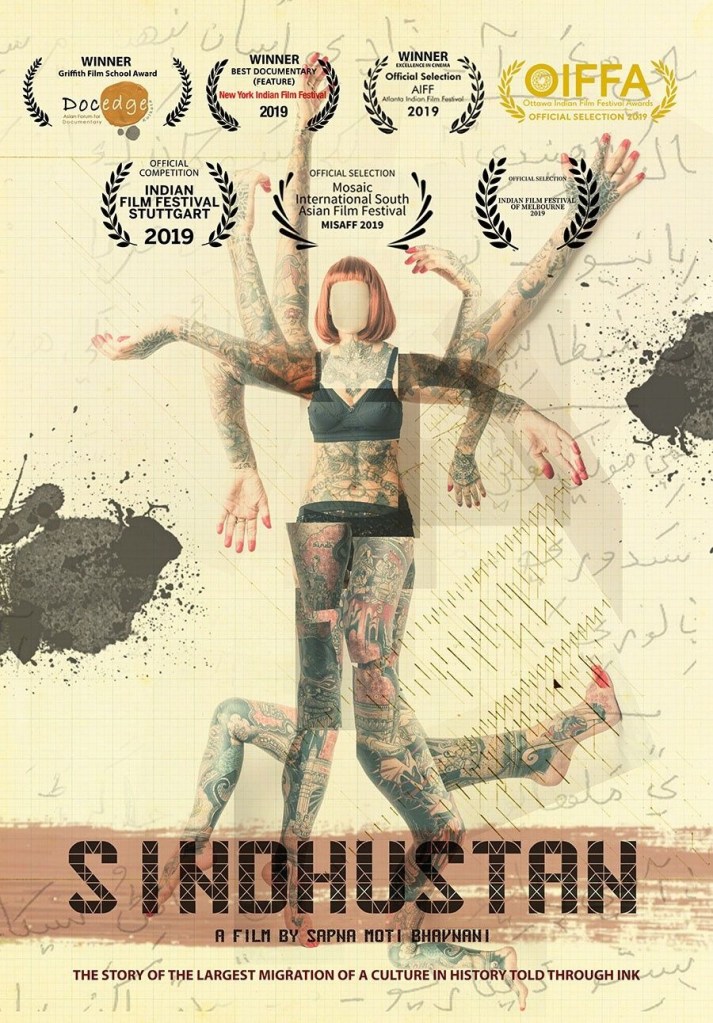
The entire process of making a Sindhi kadhi takes about three hours, and Thakur, a chef herself, gives us a sneak-peek into the Sindhi household and tells us how Sindhi kadhi is different from other kadhis in the course of the filming. “It is made from toor daal. We boil it with tomatoes in a cooker, then seave and use the soup, cooking it on slow fire much like a mithai. It is nutritious as we put lots of vegetables in it,” says Thakur.
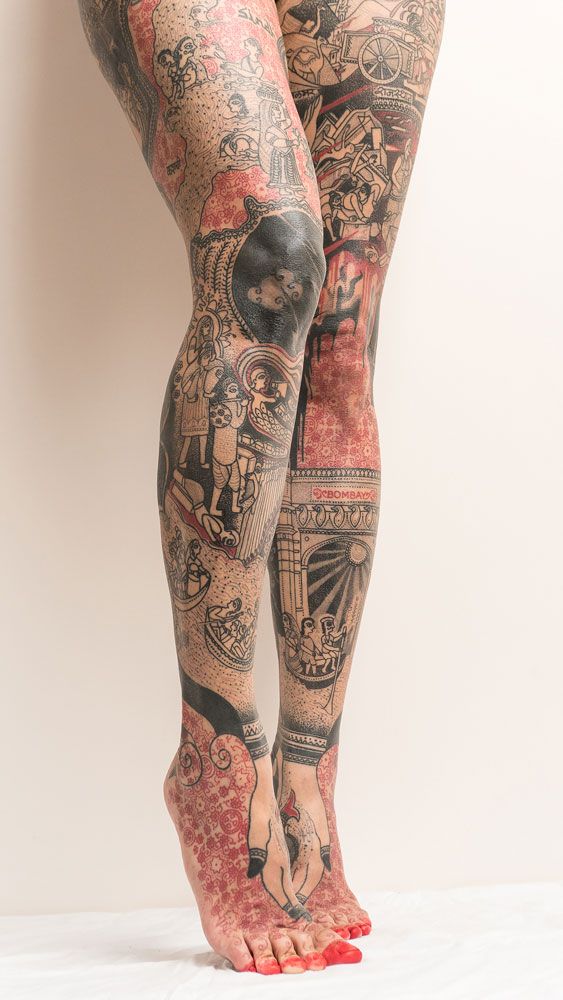
Another thing that stands out in Bhavnani’s maiden project is the story that her legs carry – the fusion of two dying art forms, one from Sindh and another one from Bihar in the tattoos; while her feet reflect her rootlessness with an image of fish on each to show how the waves have given them a sense of fleeting sand, lashing it with memories, time and again. The use of alta (red liquid dye) to decorate her feet and fingers is another fusion of culture that Bhavnani has used to her advantage in the documentary, and the ease with which she has used ink to tell the story of the largest migration of culture in history is truly commendable.
- Rediscovering Radhakrishna: Ritwik Ghatak’s Invisible Write Hand in Jharkhand
- ‘Tis the season
- Parenting Mantra 2025: Raising emotionally strong children
- Understanding Down Syndrome: A Guide for Parents
- Devashish Makhija on Poetry, Storytelling, and the Spaces Between Breath and Silence
“My one leg has motifs from Ajrak, a predominantly Sindhi art form. Here the cloth was first washed in a solution of water and ajrak berries. It was then steamed and stamped with wooden blocks injected with dyes. The printed cloth was then dipped in a solution of indigo and washed in water so that colours came out sparkingly bright. The other leg reflects the popular Madhubani art form from Bihar. The only common thing between the two cultures is fish. It is predominant in Madhubani paintings and also in ours because it is believed that our presiding deity Jhulelal rode a fish,” she recounts. The beauty of this amalgamation in her passion project makes Sindhustan a mini piece of art in itself.
The pain and trauma of those who lived and survived the painful partition echo louder in each person’s account. Their sense of longing and belonging and connection with the land of their origin – Sindh – where they or their ancestors once lived tugs at the audience’s heartstrings.
Sindhustan is a must-watch if you are a Sindhi because it has high nostalgic value.
It is even more important to watch Sindhustan if you are a non-Sindhi because it is a ready reckoner to understand a community that has been dispossessed and displaced but still retains its enterprising, industrious, zealous, benevolent and cosmopolitan nature transcending barriers of castes, race and religion.
Thakur is the go-to person for Bhavnani for food, and she loves to feast on her “Teevan, Sai Bhaji, Seyal Beeh Patata, and, of course, Kadhi on Sundays.” Also, don’t forget to feast on Sindhi kadhi that Thakur’s French neighbours in Paris referred to as the water of gods. Bon appétit!
Maybe your country is only a place you make up in your own mind. Something you dream about and sing about. Maybe it’s not a place on the map at all, but just a story full of people you meet and places you visit, full of books and films you’ve been to. I’m not afraid of being homesick and having no language to live in. I don’t have to be like anyone else. I’m walking on the wall and nobody can stop me.
Hugo Hamilton
(All pictures from Sindhustan; the film is streaming on https://www.moviesaints.com/movie/sindhustan)
Cheepatakadumpa Review


In Cheepatakadumpa, Devashish Makhija’s short film that is circling across film festivals in India, we are introduced to a surrealist narrative of female friendship, sexual orientation, and emancipation in an easy, unassuming, light-hearted manner that is quite in contrast to the understanding of Makhija’s cinema.
The story involves three friends. Santo and Teja (Bhumika Dube and Ipshita Chakraborty Singh), images of modern, sexually active urban women. While one does not shy away from having an orgasm on a ride in an amusement park, the other is busy scheduling a couple of hours of sexual intercourse with a married man with two kids.
Soon they meet their friend Tamanna (Annapurna Soni), a woman hidden behind a burqa; married, and too shy to even speak the word “sex” in front of her friends. Together, these three friends go on a rarely discussed, and often poorly depicted coming-of-age journey. Santi and Teja…
View original post 217 more words

The Ad-ventures of Mr B
The Ad-ventures of Mr B
Actor extraordinaire Manoj Bajpayee has made some exciting choices vis-a-vis brand endorsements. Here’s retracing his journey in the ad world in 2021.
Jameel Gulrays
Padma Shri Manoj Bajpayee’s prolific career has been accentuated with numerous awards for his spectacular performances, and the latest addition is the National Film Award for Best Actor 2019 for his searing portrayal of a retired cop – Ganpat Bhonsle – in Bhonsle.
The actor extraordinaire has traversed a long and exciting journey across the medium, from television to films, and then OTT, navigating his way through each medium with deftness, and in between, he has also made interesting forays in the world of advertising to promote/endorse brands that he can relate and connect.
“I come from a middle-class rural family, and that’s my biggest identity to date. I proudly wear it as a badge of honour on my sleeves. I was born and brought…
View original post 1,715 more words
Touch to See, Listen to Know
On World Sight Day 2021, posting this one again.
 mindthegapalways