Category Archives: JustLikeThat

Nothing to do is itself a great doing, ain’t it?

What did you do today? Well, I stepped back and did nothing because it was the National Day of Nothing. In a constantly hustling and bustling world, January 16 stands out for its sheer celebration of nothingness, and I must admit that I love its sheer ingenuity because we often tend to glorify productivity and busyness; celebrating “nothing at all” may seem a counterintuitive move. Our society often places a premium on constant activity, so taking a day to celebrate nothing at all becomes a radical act of self-care. It’s a deliberate step towards a healthier, more balanced life—where moments of stillness are accepted and embraced as essential for overall well-being. 

However, taking a day off to do nothing provides a much-needed pause in our hectic lives. It is a time to step back, reflect, rethink and recalibrate oneself. However, those aboard the Hamster’s Wheel may find it a tad difficult to pretend to do something when doing nothing, but it is an art form in itself, and with time, one can become adept at doing nothing and relatively guilt-free. 

The importance of doing nothing bodes well for one’s being, and these need to be emphasised repeatedly, like a broken record. 

Mental Well-being: Constantly being on the go can affect our mental health. Taking a day to do nothing allows our minds to rest, recharge, and find a sense of calm. It’s an opportunity to step back from the daily hustle and prioritize mental well-being.

Stress Reduction: The relentless pace of modern life often leads to stress and burnout. Celebrating nothing at all is a conscious choice to break free from the cycle, reducing stress levels and promoting overall relaxation.

Reflection and Mindfulness: Doing nothing doesn’t mean mindless idleness. It’s a chance to reflect on our lives, goals, and priorities. Embracing mindfulness during this time can lead to greater self-awareness and a deeper connection with our thoughts and emotions.

The Cult of Busyness: Society often equates busyness with success, but this mindset can harm our well-being. Taking a day to do nothing challenges this cultural norm, emphasizing the importance of balance.

Creativity Boost: Allowing our minds to wander and daydream during a day of doing nothing can spark creativity. In these moments of quiet, innovative ideas often surface, unburdened by the usual demands of a busy schedule.

How to celebrate Nothing Day?

Disconnect: Turn off notifications, put away electronic devices, and revel in the simplicity of unplugging by creating a tech-free zone to detach from the outside world.

Engage in Restful Activities: Read a book, stroll, or indulge in a favourite hobby. Choose activities that bring joy without the pressure of productivity.

Embrace the Silence: Enjoy the beauty of silence. Whether through meditation or simply sitting in quiet contemplation, let your mind unwind without external distractions. Embrace the present moment and let go of the constant need for productivity.

Creative Expression: Channel your inner artist—paint, write, or create without any specific goal in mind, and let creativity to flow freely, unburdened by the constraints of productivity.

Connect with loved ones: Spend quality time with friends and family, share laughter, and create lasting memories. Strengthening bonds can be a beautiful way to celebrate the day of nothingness.

As the renowned poet Daag Dehlavi once mused, 

“हजारों काम मोहब्बत में हैं मजे के दाग

जो लोग कुछ नहीं करते कमाल करते हैं.” 

Translated, it means, “Thousands of tasks lie in the realm of love… those who do nothing, achieve wonders.” This sentiment echoes the wisdom of poets and philosophers who recognize the value of embracing a day dedicated to the art of non-productivity.

Mirza Ghalib, the celebrated Urdu poet, once remarked, ‘इश्क ने ‘गालिब’ निकम्मा कर दिया, वर्ना हम भी आदमी थे काम के,’ which translates to, “Love made Ghalib worthless, otherwise, I too was a man of substance.” These words highlight the unconventional wisdom that lies in doing nothing. Ghalib implies that love, or in this case, the National Day of Nothing, can render life’s mundane tasks inconsequential, allowing us to appreciate the beauty of simply being.

To celebrate the National Day of Nothing, in letter and spirit, let’s embrace the words of Daag Dehlavi and Mirza Ghalib. In the pursuit of doing nothing, we might just find the extraordinary in the ordinary. So, take a break from the hustle, let go of the need to accomplish, and revel in the joy of non-productivity. After all, in the art of doing nothing, there lies the potential for something truly remarkable. Schedule a day to do nothing and see its positive impact on your life. You will be surprised at the results.

Joygerms: The carriers of happiness around us

In a world clouded with chaos, confusion, challenges, stress, and uncertainties, an infectious force is hard at work, quite unnoticed. Their task is spreading joy around like a glitter bomb that won’t go away quickly. The cheery bunch seems filled with joie de vivre in abundance, the sure-shot fallback option to beat out the blues for the dispirited fellas like me. These joy carriers are the silver lining—a powerful phenomenon that can spread like wildfire, infecting one’s heart and mind with a delightful contagion.
In the huge cosmic space, these Joygerms are microscopic entities—tiny, powerful, and yet capable of transforming the emotional landscape of anyone they touch. These Joygerms encapsulate the essence of joy as an infectious agent.


Laughter is the ultimate carrier of joy and the background music of a Joygerm’s life. Joygerms often have an infectious laugh that can brighten dull moments and create a joyful melody that captivates everyone around them. Their ability to find humour in everyday situations becomes a source of delight for those within their sphere of influence. It’s always good to be that tiny dot connecting others in the laughter circle. Laughter alone has a positive impact on one’s environment. It is an intentional, feel-good step towards radiating positivity. It starts with sharing encouraging words, offering support, and creating an environment where optimism becomes contagious.
Joygerms thrive on resilience and optimism. They see challenges as opportunities and setbacks as stepping stones, spreading a resilient outlook and encouraging gloomy ones to keep their chin up and face adversity with a positive mindset. With time, I have learnt it too. Joygerms emit a distinct aura, and aura of hope. Their presence alone can uplift spirits, creating an environment where positivity becomes the default setting. It’s not just what they say or do; it’s the vibe they carry with aplomb.
They radiate positivity effortlessly. Their presence can brighten the room, and they have a knack for turning gloomy atmospheres into lively ones.
Spontaneity is their forte. Joygerms are known for surprising others with unexpected acts of joy—a cheerful note, a small gift, or a spontaneous call to lighten the mood. These Joygerms have taught me to embrace challenges as opportunities for growth and cultivate resilience by adopting an optimistic perspective despite adversity.
Joygerms are synonymous with kindness. Whether a small gesture or a grand act, their thoughtfulness is kindness that creates a ripple effect. A kind deed triggers a chain reaction of positivity from them to me and from me to others. Isn’t that a good chain reaction? They have taught me to spread kindness far and wide. Acts of kindness, whether through words, gestures, or thoughtful deeds, no matter how small, can have a profound impact on the lives of others, and it is the least we can do for others.
The impact of Joygerms is limitless, and the more carriers we have (like my bunch), the brighter our collective world becomes because embracing the role of a Joygerm is not just about personal happiness; it’s about contributing to the well-being of those around you. So, are you ready to be a carrier of joy? And pass it on! Just keep it going. 

(I am happy to be infected by the countable few “Joygerms” in my life, and I take this opportunity to express my profound gratitude towards them. They enrich my life with their mere presence. Once infected, I am bound to become a happiness carrier and infect many more, actively spreading it to those around me. That’s how it works.)

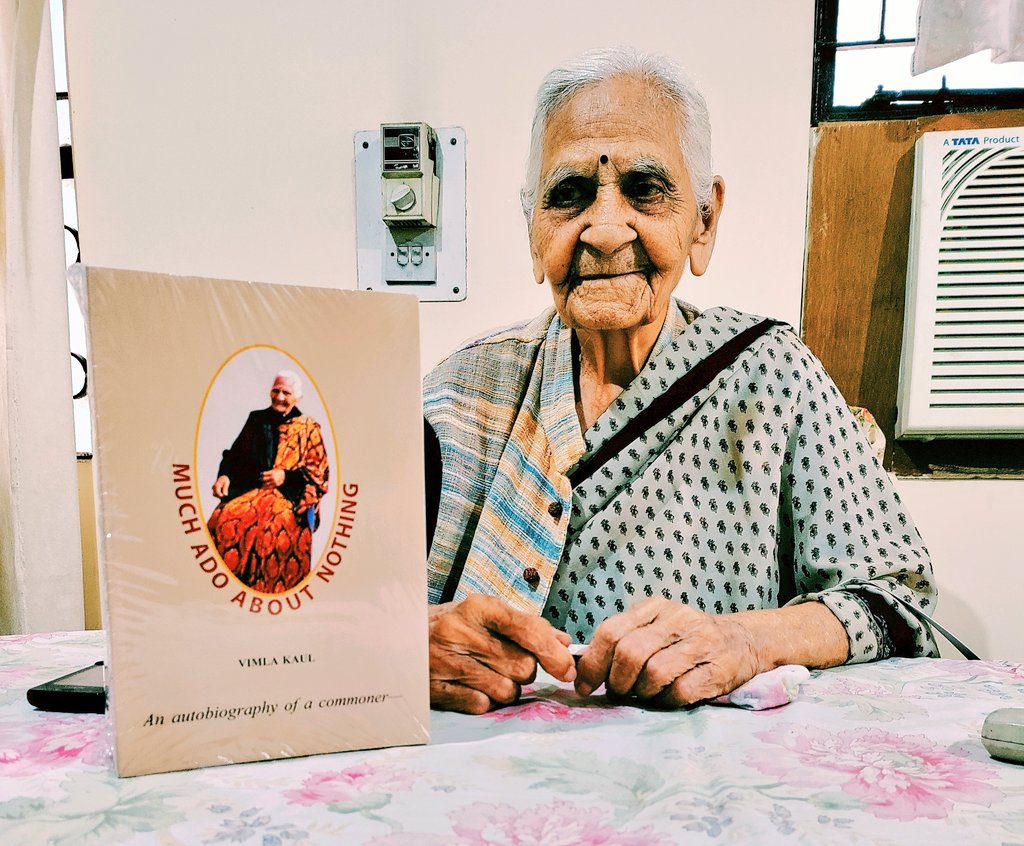
Goodbye, Ma’am!

Ma’am, you were my anam cara, soul friend, teacher, and eternal guide, and you will always be.
As our moral science teacher in class 8, you set the moral compass in each one of us, and that became our guiding light, from then to now. We were privileged to learn briefly under your tutelage in Class 9. But then you left for Delhi, and my batch felt like a headless chicken or rather a cat on a hot tin roof, scattered, lost and grappling with the vast English syllabus, prose, poetry and drama, and that too Julius Caesar, and change of two teachers in the entire term. That was a tad disappointing for me and the rest of my batchmates. All of us had heard about how you had helped the batch of 1993, then in Class 11, stage the play at Pell Mell and on a quote historical day… 6th December 1992, and oh boy, it was a roaring success from the word go.
My wish to be your student remained largely unfulfilled back then in school. But the Universe was watching and found a way to fulfil this earnest desire most beautifully. I chanced upon an online news feature on you, which surprisingly had a backlink to your website with your email address and mobile number.
I quickly emailed a request, and in a day, with Naaz’s help, you called me. I was over the moon.
I went to meet in late 2015 and was stunningly delighted at this chance encounter with my favourite teacher. I kept meeting you on and off.


From 2016 onwards, I became more regular here. I found your energy and enthusiasm remarkable and secretly hoped a bit of it could rub off on me, too. I saw you attending the school, looking after its day-to-day affairs, monitoring and managing it so well, quite singlehandedly. Year after year, I saw you successfully organise Mehendi Camps here in C Pocket Park, eye care camps, health care camps, and blood donation camps in Madanpur Khadar Village, and events for every occasion in the school without fail.
You knew that empowering children through education wasn’t enough. You introduced Dance, Yoga, Sports sessions, and vocational training for underprivileged children, a thoughtful way of well-rounded growth and development. While preparing the Souvenir in 2016 for the 21st Annual Day celebration, I learned about your long and arduous journey, and I will doff my hat in honour of your tenacious spirit.
You taught me more than you could have as my English teacher in school. I have done it all these years, which I attribute to you. You were a pretty hard taskmaster, I must say. I connected my Carmel school seniors and teachers, designed and edited the newsletters, booklets and Souvenirs, did fundraising by way of selling ad spaces in the annual Souvenir, and also found buyers for your hand-knit woollen sweaters, caps, mufflers, socks, stoles, papad, achaar, badi, diwali candles and diyas, embroidered towels, cushion covers, and table cloths, and cloth shopping bags; organising stalls at different events across the city to sell of these kinds of stuff too. You trusted me to organise a picnic for school children around Delhi’s historical hotspots in 2017, screening films for them, and organising workshops for teachers. Well, you taught me more than anyone else could in all these years.


I joined you as a Volunteer, and even though I was formally inducted into the core team of the NGO and took up the position of Secretary, I always felt like your foot soldier.
We Carmelites met on your birthday, teacher’s day and Guldasta’s annual day, and you were the most gracious host ever.
The last assignment you entrusted me with was spreading the word about your autobiography, Much Ado About Nothing. I did.
But yes, I couldn’t carry forward the mantle of leading the NGO or taking charge of the school, Guldasta. I knew I didn’t have the chops for the same or could, in my wildest dreams, match your passion for the cause, dedication to the task and commitment to lead it. I was struggling with my health and withdrew because I thought that was the best way to avoid disappointing you. I failed. And I am sorry.
An African proverb says when an old man dies, a library burns to the ground. And when an old woman dies, I say, a school burns to the ground. This is how I feel writing about everything you meant to me. It is a strange coincidence that you chose to pack off in December, the most important month in your school’s calendar, when you would be right here in the Community Hall for Guldasta’s Annual Day. It is here where we have assembled today to celebrate you but without you.
I will miss your childlike innocence, strength, wit and humour, and life lessons. I will crack up thinking how you had asked me to arrange for a death certificate in advance. Well, that remains unbeatable to date.
Everything about you, my chocolatey lady, as I fondly called you for your love of chocolates and cakes, will be missed by all of us here… Your birthday, which falls on World Chocolate Day, will be another reason to binge on chocolates from 2024 onwards.
Goodbye till we meet again!

The Goodness of the Good Morning Syndrome

It’s more than just a greeting; it’s a reassuring reminder of our enduring connections with friends, relatives, and loved ones. It’s a beautiful manifestation of thoughtfulness and a daily reminder of the special people who enrich our lives in beautiful ways.

For nearly a decade, my day started with a subtle ping, courtesy of a WhatsApp message from my friend M. Like a morning rooster, M would gently nudge me awake with his daily dose of positivity. Yes, I’m a victim of the “Good Morning Syndrome,” and I absolutely adore it!

M’s unwavering dedication to this ritual touched my heart. Rain or shine, holiday or workday, that “Good Morning” message was my daily anchor. It was a heartfelt reminder of our love and connection, and it’s as indispensable as my morning tea and M’s coffee.

Over the years, M’s messages have served as life vests in a world that spins faster than a Beyoncé dance routine, keeping me afloat. They’re a testament to the enduring relationships we two treasure. The regularity created a sense of reassurance. Knowing someone is around, popping off the Whatsapp screen first thing in the morning, is a comforting thought to start the day. A small gesture like this has tremendous bearing; it can uplift spirits, fostering a sense of happiness and well-being.

But what’s the secret sauce that makes this daily “ping” so powerful? It’s not just a greeting; it’s an expression of love, like a warm hug from afar. It shouts, “Hey, I’m thinking of you even before my caffeine fix!” It’s the perfect Dopamine-Oxytoxin-Serotonin-Endorphin overdose in one text to help sail through the mundane day.

These morning messages that trickle on one’s phone aren’t one-size-fits-all. Each is a unique art piece, showcasing the sender’s personality. Some go the image route, some the poetic, but they all add warmth and authenticity to our otherwise screen-dominated lives.

I must confess that in a world where emojis often replace emotions and screens substitute for face-to-face chats, “Good Morning” messages are and will be my lifelines. They remind me that real people exist behind the screens and that our relationships remain steadfast and valued.

In our whirlwind lives, where schedules are tighter than a corset, a simple “Good Morning” packs a punch too. It’s the espresso shot of encouragement we need to kickstart the day. Consistency is the key. It is this daily spadework that builds bonds that withstand time.

Is it love, you ask? Absolutely! Just as pure as the Radha and Krishna in those accompanying images, M’s messages connected us in a way only genuine care can. It’s a daily affirmation that someone wishes you a splendid day ahead, no matter the distance. It’s a digital bridge for long-distance connections, reaffirming that love can’t be measured in miles but in the width of the curve that it eventually brings on the face.

These messages are also golden nuggets of thoughtfulness in a world cluttered with distractions. They uplift spirits, injecting a dose of happiness into our morning routine. They say, “You’re not forgotten in this sea of chaos.” I must confess that the days when M’s message doesn’t pop up (which has been the case lately), it feels like a night of not knowing anything, long, dark, cold and unending. Also, old habits die hard. Knowing one hasn’t been forgotten is a beautiful feeling in a world full of mundane distractions.

The habit of remembering and forgetting can significantly impact one’s being; after all, we are social beings. We thrive on love. A friend asked why I wait for a message and why I don’t send one if the person doesn’t. I did try for a few days but failed. I realised that I am a truant and can’t stick to a routine and do it relentlessly and religiously, unlike others like M. My bad. But I count on each Good Morning message as an opportunity, and I heartily reciprocate the gesture and express my deepest gratitude for having such caring individuals in my life. They make my life beautiful.

The “Good Morning Syndrome” is a beautiful reminder of the special people who enrich our lives and make each day a little brighter. So, let’s raise a virtual toast to this good-for-all Syndrome. It’s a reminder that in our jumbled lives, people genuinely care. It’s a small but powerful way to nurture relationships, spread positivity, and start each day with warmth.

Unearthing Tenderness

“Beneath our anxious quickenings, beneath our fanged fears, beneath the rusted armors of conviction, tenderness is what we long for — tenderness to salve our bruising contact with reality, to warm us awake from the frozen stupor of near-living.”

In the hustle and bustle of our modern lives, we often find ourselves tangled in the web of anxiety and fear. Beneath the surface of our hurried existence lies a longing, a yearning for something deeper, something more profound – tenderness. It is the balm that soothes our bruised souls and the beacon that awakens us from the numbness of mere existence. In this chaotic world, tenderness offers a gentle respite, a reminder of our shared humanity.

Peeling off the Armor

Life is not without its share of challenges and adversities. To protect ourselves from the harsh realities, we sometimes don rusted armours of conviction – beliefs and ideologies that shield us from vulnerability. We wear them like a second skin, afraid to let go for fear of being wounded. Yet, beneath these hardened layers, we yearn for tenderness – the soft touch of understanding and a fellow human’s compassion.

Anxious Quickenings and Fanged Fears

Anxiety often creeps into our minds like an unwelcome guest, gnawing at our peace. We fret about the uncertainties of the future, the judgments of others, and the precariousness of our own existence. Our fears take on fangs, gnashing at our confidence, leaving us wounded and hesitant to embrace tenderness. But if we dare to peer beyond these fears, we’ll find that tenderness can be an antidote to our anxious quickenings, a healing force that binds the broken pieces of our hearts.

The Frozen Stupor of Near-Living

In the relentless pursuit of success and material gains, we may live a life devoid of true meaning. We go through the motions, numbed by the icy grip of routine. Our emotions become frozen, and we lose touch with the essence of our being. In this frozen stupor of near-living, tenderness calls out to us, imploring us to thaw our hearts and embrace the richness of our emotions.

The Healing Power of Tenderness

Tenderness is not weakness; it is strength in vulnerability. It takes courage to let down our guard and connect with others on a deeper, more empathetic level. A tender gesture, a kind word, or a gentle touch can work wonders, healing wounds that may have long been buried beneath the surface. Tenderness nurtures the roots of human connection and fosters a sense of belonging.

Kindling Tenderness Within

We must first kindle it within ourselves to cultivate tenderness in the world. Self-compassion is the seed from which tender empathy grows. By acknowledging our own struggles and treating ourselves with gentleness, we become better equipped to extend the same compassion to others. Tenderness radiates outward like ripples in a pond, touching the lives of those we encounter.

Embracing the Gift of Tenderness

Let us not forget the gift of tenderness in the cacophony of life. It resides beneath the layers of anxiety, fear, and cynicism, waiting to be unearthed. It is a beacon of hope in a world that sometimes seems cold and unfeeling. Let us extend tenderness to ourselves and others, for in doing so, we embrace the very essence of our shared humanity.

So, let us strive to peel off the rusted armours of conviction, confront our anxious quickenings and fanged fears, and thaw the frozen stupor of near-living. In doing so, we allow tenderness to salve our bruising contact with reality and awaken us to the beauty of living fully and compassionately. Let tenderness be our guiding light on this journey of life.

The power of valuing yourself… because you’re worth it!

In a world where external validations often take center stage, it’s easy to overlook the most crucial source of validation – our own self-worth. Valuing yourself is not just a matter of self-esteem; it’s a transformative force that can significantly impact how you interact with the world and how it responds to you.

The Secret of Self-Value:

When you see yourself as valuable, a subtle but powerful shift occurs in your aura. People around you can subconsciously sense this newfound self-assurance and self-respect, which inevitably demands respect in return. Embracing your worth sets the foundation for healthier relationships, personal growth, and professional success.

Commanding Respect:

The magic of self-value lies in its ability to effortlessly alter how you project yourself to others. As you recognize your inherent worth, your voice gains authority, and your words become more persuasive. Your body language naturally exudes dominance, without you even consciously trying to do so. This shift in energy commands respect from those around you, leading to more meaningful interactions and collaborations.

Attracting Positive Vibes:

Believing in your high value creates a magnetic aura that draws positive energy towards you. Confidence and self-assurance act as beacons that attract like-minded individuals, opportunities, and experiences. As you embody your self-worth, you’ll be surrounded by supportive people and situations aligning with your goals and aspirations.

Unleashing Your True Potential:

When you fully embrace your value, you unleash your true potential. Taking risks, pursuing your passions, and stepping out of your comfort zone becomes easier. The fear of judgment or failure diminishes, allowing you to grow and evolve. The world becomes your canvas, and you fearlessly paint your life with the colors of your dreams.

Embracing Self-Value:

The beauty of valuing yourself lies in its simplicity. It starts with a single thought deeply rooted in your mind – “I’m high value.” This belief forms the cornerstone of your self-confidence and self-esteem. When you genuinely recognize your worth, you no longer seek external validation to feel complete. You become self-reliant, empowering yourself to navigate life’s challenges with resilience.

The Ripple Effect:

Valuing yourself has a ripple effect that touches your life and the lives of those around you. As you cultivate self-love and self-respect, you become an inspiration to others. Your growth journey becomes a beacon of hope for those seeking the same transformation, encouraging them to embark on their path of self-discovery.

The importance of valuing yourself cannot be overstated. Embrace your worth, for it is the key to unlocking the doors of possibility and leading a fulfilling life. As you radiate self-assurance and self-respect, you become a force to be reckoned with – a force that inspires, uplifts, and transforms yourself and the world around you. Remember, you are high value, and the world is ready to witness the brilliance within you. Embrace it, and watch your life soar to new heights.

Unveiling the Enigma of Imposter Syndrome

… Overcoming Self-Doubt and Embracing Success

Imposter Syndrome, a pervasive phenomenon affecting individuals across various walks of life, can be a significant barrier to personal and professional growth. It manifests as an overwhelming feeling of self-doubt, despite ample evidence of one’s competence and accomplishments. In this article, we delve into the depths of Imposter Syndrome, exploring its causes, effects, and strategies to overcome it, empowering individuals to embrace their success confidently.

Understanding Imposter Syndrome: Imposter Syndrome stems from internalized self-doubt, where individuals attribute their achievements to luck or external factors rather than their abilities. It often affects high-achievers, including professionals, artists, students, and entrepreneurs, leaving them with a persistent fear of being exposed as fraud. 

Contributing Factors: Several factors contribute to the development of Imposter Syndrome. Perfectionism, fear of failure, and comparison to others play a significant role. Additionally, cultural and societal expectations, minority status, and past experiences of criticism or setbacks can intensify feelings of inadequacy. Recognizing these factors is crucial to addressing and overcoming Imposter Syndrome. 

Effects on Individuals and Performance: Imposter Syndrome can harm an individual’s mental and emotional well-being. Constant self-doubt and fear of being exposed as fraud can lead to anxiety, stress, burnout, and even depression. Moreover, it hampers performance, as individuals may hold themselves back from pursuing new opportunities or taking on challenging tasks due to the fear of failure or being “found out.” 

Strategies to Overcome Imposter Syndrome: Overcoming Imposter Syndrome requires a combination of self-reflection, mindset shifts, and supportive strategies. Here are some practical steps individuals can take to break free from the clutches of self-doubt and embrace their achievements:

  1. Acknowledge and challenge negative thoughts: Recognize that self-doubt is often irrational and challenge negative beliefs with evidence of your competence and accomplishments. 
  2. Embrace vulnerability and share your experiences: Opening up about your struggles with trusted friends, mentors, or support groups can alleviate feelings of isolation and help you realize that you are not alone in your journey. 
  3. Celebrate successes and cultivate self-compassion: Practice acknowledging and celebrating your achievements, no matter how small they may seem. Cultivate self-compassion by treating yourself with kindness and understanding, just as a close friend would. 
  4. Adjust perfectionistic tendencies: Set realistic goals, focusing on progress rather than flawless outcomes. Embrace the “good enough” concept and understand that mistakes and setbacks are natural parts of the learning process. 
  5. Seek support and mentorship: Surround yourself with a supportive network of mentors, colleagues, or friends who can provide guidance, encouragement, and perspective. 

Imposter Syndrome can be a formidable obstacle to success, but it is not insurmountable. By understanding its causes, recognizing its effects, and implementing strategies to combat it, individuals can reclaim their confidence and embrace their accomplishments authentically. Remember, success is not measured by the absence of self-doubt but by the resilience to push forward despite it.

By breaking free from the grips of Imposter Syndrome, individuals can unlock their full potential, pursue their goals with unwavering determination, and create a life filled with genuine success and fulfilment.

How deep does betrayal trauma hurt?

Betrayal trauma is a profound psychological response to the violation of trust and deep emotional bonds by someone close, often leading to devastating consequences for the individual experiencing it. In this blog post, we will delve into betrayal trauma and its effects on emotional well-being and explore effective strategies for healing and moving forward. Let’s embark on a journey to understand and address the complexities of betrayal trauma.

  1. Defining Betrayal Trauma: Betrayal trauma refers to the emotional and psychological distress experienced when a person’s trust and sense of safety are shattered by someone they deeply rely on or have a close relationship with. It can occur in various contexts, such as intimate partnerships, familial relationships, friendships, or professional settings. The magnitude of betrayal trauma can vary, ranging from breaches of trust to severe forms of deception and betrayal.
  2. The Impact of Betrayal Trauma on Emotional Well-being: Betrayal trauma can have far-reaching effects on an individual’s emotional well-being. Common reactions include feelings of shock, disbelief, anger, sadness, confusion, and an erosion of self-esteem. It can also lead to symptoms of anxiety, depression, post-traumatic stress disorder (PTSD), and difficulties in establishing trust with others. The profound impact of betrayal trauma necessitates a comprehensive approach to healing and recovery.
  3. Strategies for Healing from Betrayal Trauma:
    a. Validating emotions: Acknowledging and validating the range of emotions experienced is an essential step in the healing process. This involves allowing oneself to feel and express emotions without judgment or self-blame.
    b. Seeking support: Building a support system is crucial for healing from betrayal trauma. Trusted friends, family members, or support groups can provide a safe space for expression, validation, and understanding.
    c. Professional guidance: Engaging in therapy with a qualified mental health professional can offer valuable tools and strategies for processing the trauma, addressing associated challenges, and developing coping mechanisms.
    d. Self-care practices: Prioritizing self-care activities such as exercise, mindfulness, journaling, and engaging in hobbies can help restore a sense of well-being and provide a healthy outlet for emotional expression.
    e. Rebuilding trust: Rebuilding trust, both in oneself and in others, is a gradual process. Setting healthy boundaries, effective communication, and consistent actions from those involved can contribute to restoring trust over time.
  4. The Journey towards Post-Traumatic Growth: While betrayal trauma can be harrowing, it is possible to experience post-traumatic growth. This involves transforming the trauma into an opportunity for personal growth, increased resilience, and a deeper understanding of oneself. Through therapy, self-reflection, and engaging in meaningful activities, individuals can emerge stronger, more self-aware, and capable of forming healthier connections.

Betrayal trauma is a deeply distressing experience that can profoundly impact emotional well-being. However, individuals can embark on a path of recovery and transformation by recognizing the effects of betrayal trauma, seeking support, and engaging in healing practices. Remember, healing takes time, self-compassion, and a commitment to personal growth. Together, let us acknowledge the pain, embrace resilience, and empower ourselves to move forward on the healing journey from betrayal trauma.

Have you been ghosted?

Ghosting is a distressing phenomenon that has become increasingly prevalent in modern relationships. Ghosting refers to the sudden and unexplained disappearance of one person from another’s life, leaving the recipient confused, hurt, and questioning what went wrong. 

  1. Defining Ghosting: Ghosting refers to abruptly and intentionally cutting off all communication with someone, typically without any explanation or warning. It is a form of silent rejection where one party ceases all contact and disappears from the other person’s life, leaving them feeling abandoned and uncertain about what went wrong. Ghosting can occur in various relationship contexts, including romantic partnerships, friendships, and even professional relationships.
  2. Implications of Ghosting: Ghosting can have significant emotional and psychological implications for the individuals involved. The sudden and unexplained communication withdrawal can lead to feelings of rejection, self-doubt, and low self-esteem. The lack of closure and unanswered questions can cause confusion and make moving on from the relationship challenging. Ghosting can also erode trust and make individuals hesitant to invest in future relationships.
  3. Reasons Behind Ghosting: While the motivations for ghosting can vary, some common reasons include fear of confrontation, avoidance of difficult conversations, lack of interest or connection, and a desire to avoid hurting the other person’s feelings. Sometimes, individuals may resort to ghosting to assert control or avoid accountability for their actions. However, it’s important to note that ghosting is not an acceptable or healthy way to end a relationship.
  4. Impact on Mental Well-being: The emotional toll of being ghosted can be significant. The lack of closure and unanswered questions can lead to sadness, anger, and rejection. This can harm mental well-being, causing individuals to question their self-worth and leading to increased anxiety and depression. It is crucial to prioritize self-care, seek support from friends and family, and consider professional help if needed to navigate the emotional aftermath of being ghosted.
  5. Healthy Communication and Relationship Building: Fostering open and honest communication is paramount to prevent and address ghosting. By expressing needs, boundaries, and expectations early on, individuals can establish a foundation of trust and mutual understanding. It is essential to create a safe space for difficult conversations and to approach relationship issues with empathy and respect. Cultivating healthy communication skills and promoting transparency can contribute to healthier and more fulfilling relationships.

But how do you spot if you have been ghosted? What are the ways to deal with ghosting to protect oneself from heartbreak? Let’s explore practical strategies to navigate this distressing dating and relationship phenomenon.

Recognizing the Signs and Symptoms of Ghosting: When you suspect you’re being ghosted, watch out for these common signs and symptoms:

  • Sudden and prolonged silence: The person stops responding to messages, calls, or any form of communication without any valid explanation.
  • Frequent cancellations: Plans are frequently cancelled at the last minute, with excuses becoming more frequent and less plausible.
  • Lack of engagement: The person becomes disinterested and shows reduced enthusiasm in conversations and spending time together.
  • Disappearing from social media: They stop interacting on social media platforms or delete their presence altogether.

Coping Strategies for Dealing with Ghosting: 

a. Give it time: Allow yourself to process the emotions of being ghosted. Allow yourself to feel hurt, but avoid dwelling on it for an extended period. 

b. Seek support: Reach out to trusted friends or family members to share your feelings and gain perspective. Their support can provide comfort and help you gain clarity. 

c. Focus on self-care: Engage in activities that bring you joy and boost your self-esteem. Exercise, practice mindfulness, pursue hobbies, and invest time in personal growth. 

d. Avoid blame: Refrain from blaming yourself for being ghosted. Remember that ghosting is a reflection of the other person’s behaviour and not a reflection of your worth.

Preventing Heartbreak and Minimizing the Risk of Ghosting: 

a. Set clear expectations: Establish open and honest communication from the beginning of a relationship, discussing expectations, boundaries, and the importance of respectful communication. 

b. Take it slow: Avoid quickly rushing into an intense emotional connection. Gradually build trust and understanding to reduce the chances of being ghosted.

c. Be observant: Pay attention to the person’s consistency, actions, and communication patterns. Red flags such as evasiveness or a lack of effort may indicate a higher likelihood of ghosting. 

d. Trust your instincts: Trust your intuition if something feels off or inconsistent. If the person’s behaviour raises concerns, addressing them early on is essential to avoid future heartbreak.

Ghosting can be a painful and confusing experience, but recognizing the signs, employing coping strategies, and taking preventive measures can protect yourself from unnecessary heartbreak. Remember to prioritize your emotional well-being, focus on self-care, and surround yourself with a supportive network of friends and family. Promoting healthy communication, setting boundaries, and prioritizing self-care are key to creating fulfilling relationships and preventing the emotional turmoil of ghosting. Remember, everyone deserves respect and consideration, even when relationships end.