All posts by Shillpi A Singh

Unknown's avatar

About Shillpi A Singh

क़लम मज़दूर | Commspreneur | Recipient of the IIMCAA Award for Public Relations Person of the Year 2024 | Canva's Top 10 Social Media Creator for 2023 | Work-in-Progress

Joygerms: The carriers of happiness around us

In a world clouded with chaos, confusion, challenges, stress, and uncertainties, an infectious force is hard at work, quite unnoticed. Their task is spreading joy around like a glitter bomb that won’t go away quickly. The cheery bunch seems filled with joie de vivre in abundance, the sure-shot fallback option to beat out the blues for the dispirited fellas like me. These joy carriers are the silver lining—a powerful phenomenon that can spread like wildfire, infecting one’s heart and mind with a delightful contagion.
In the huge cosmic space, these Joygerms are microscopic entities—tiny, powerful, and yet capable of transforming the emotional landscape of anyone they touch. These Joygerms encapsulate the essence of joy as an infectious agent.


Laughter is the ultimate carrier of joy and the background music of a Joygerm’s life. Joygerms often have an infectious laugh that can brighten dull moments and create a joyful melody that captivates everyone around them. Their ability to find humour in everyday situations becomes a source of delight for those within their sphere of influence. It’s always good to be that tiny dot connecting others in the laughter circle. Laughter alone has a positive impact on one’s environment. It is an intentional, feel-good step towards radiating positivity. It starts with sharing encouraging words, offering support, and creating an environment where optimism becomes contagious.
Joygerms thrive on resilience and optimism. They see challenges as opportunities and setbacks as stepping stones, spreading a resilient outlook and encouraging gloomy ones to keep their chin up and face adversity with a positive mindset. With time, I have learnt it too. Joygerms emit a distinct aura, and aura of hope. Their presence alone can uplift spirits, creating an environment where positivity becomes the default setting. It’s not just what they say or do; it’s the vibe they carry with aplomb.
They radiate positivity effortlessly. Their presence can brighten the room, and they have a knack for turning gloomy atmospheres into lively ones.
Spontaneity is their forte. Joygerms are known for surprising others with unexpected acts of joy—a cheerful note, a small gift, or a spontaneous call to lighten the mood. These Joygerms have taught me to embrace challenges as opportunities for growth and cultivate resilience by adopting an optimistic perspective despite adversity.
Joygerms are synonymous with kindness. Whether a small gesture or a grand act, their thoughtfulness is kindness that creates a ripple effect. A kind deed triggers a chain reaction of positivity from them to me and from me to others. Isn’t that a good chain reaction? They have taught me to spread kindness far and wide. Acts of kindness, whether through words, gestures, or thoughtful deeds, no matter how small, can have a profound impact on the lives of others, and it is the least we can do for others.
The impact of Joygerms is limitless, and the more carriers we have (like my bunch), the brighter our collective world becomes because embracing the role of a Joygerm is not just about personal happiness; it’s about contributing to the well-being of those around you. So, are you ready to be a carrier of joy? And pass it on! Just keep it going. 

(I am happy to be infected by the countable few “Joygerms” in my life, and I take this opportunity to express my profound gratitude towards them. They enrich my life with their mere presence. Once infected, I am bound to become a happiness carrier and infect many more, actively spreading it to those around me. That’s how it works.)

Goodbye, Ma’am!

Ma’am, you were my anam cara, soul friend, teacher, and eternal guide, and you will always be.
As our moral science teacher in class 8, you set the moral compass in each one of us, and that became our guiding light, from then to now. We were privileged to learn briefly under your tutelage in Class 9. But then you left for Delhi, and my batch felt like a headless chicken or rather a cat on a hot tin roof, scattered, lost and grappling with the vast English syllabus, prose, poetry and drama, and that too Julius Caesar, and change of two teachers in the entire term. That was a tad disappointing for me and the rest of my batchmates. All of us had heard about how you had helped the batch of 1993, then in Class 11, stage the play at Pell Mell and on a quote historical day… 6th December 1992, and oh boy, it was a roaring success from the word go.
My wish to be your student remained largely unfulfilled back then in school. But the Universe was watching and found a way to fulfil this earnest desire most beautifully. I chanced upon an online news feature on you, which surprisingly had a backlink to your website with your email address and mobile number.
I quickly emailed a request, and in a day, with Naaz’s help, you called me. I was over the moon.
I went to meet in late 2015 and was stunningly delighted at this chance encounter with my favourite teacher. I kept meeting you on and off.


From 2016 onwards, I became more regular here. I found your energy and enthusiasm remarkable and secretly hoped a bit of it could rub off on me, too. I saw you attending the school, looking after its day-to-day affairs, monitoring and managing it so well, quite singlehandedly. Year after year, I saw you successfully organise Mehendi Camps here in C Pocket Park, eye care camps, health care camps, and blood donation camps in Madanpur Khadar Village, and events for every occasion in the school without fail.
You knew that empowering children through education wasn’t enough. You introduced Dance, Yoga, Sports sessions, and vocational training for underprivileged children, a thoughtful way of well-rounded growth and development. While preparing the Souvenir in 2016 for the 21st Annual Day celebration, I learned about your long and arduous journey, and I will doff my hat in honour of your tenacious spirit.
You taught me more than you could have as my English teacher in school. I have done it all these years, which I attribute to you. You were a pretty hard taskmaster, I must say. I connected my Carmel school seniors and teachers, designed and edited the newsletters, booklets and Souvenirs, did fundraising by way of selling ad spaces in the annual Souvenir, and also found buyers for your hand-knit woollen sweaters, caps, mufflers, socks, stoles, papad, achaar, badi, diwali candles and diyas, embroidered towels, cushion covers, and table cloths, and cloth shopping bags; organising stalls at different events across the city to sell of these kinds of stuff too. You trusted me to organise a picnic for school children around Delhi’s historical hotspots in 2017, screening films for them, and organising workshops for teachers. Well, you taught me more than anyone else could in all these years.


I joined you as a Volunteer, and even though I was formally inducted into the core team of the NGO and took up the position of Secretary, I always felt like your foot soldier.
We Carmelites met on your birthday, teacher’s day and Guldasta’s annual day, and you were the most gracious host ever.
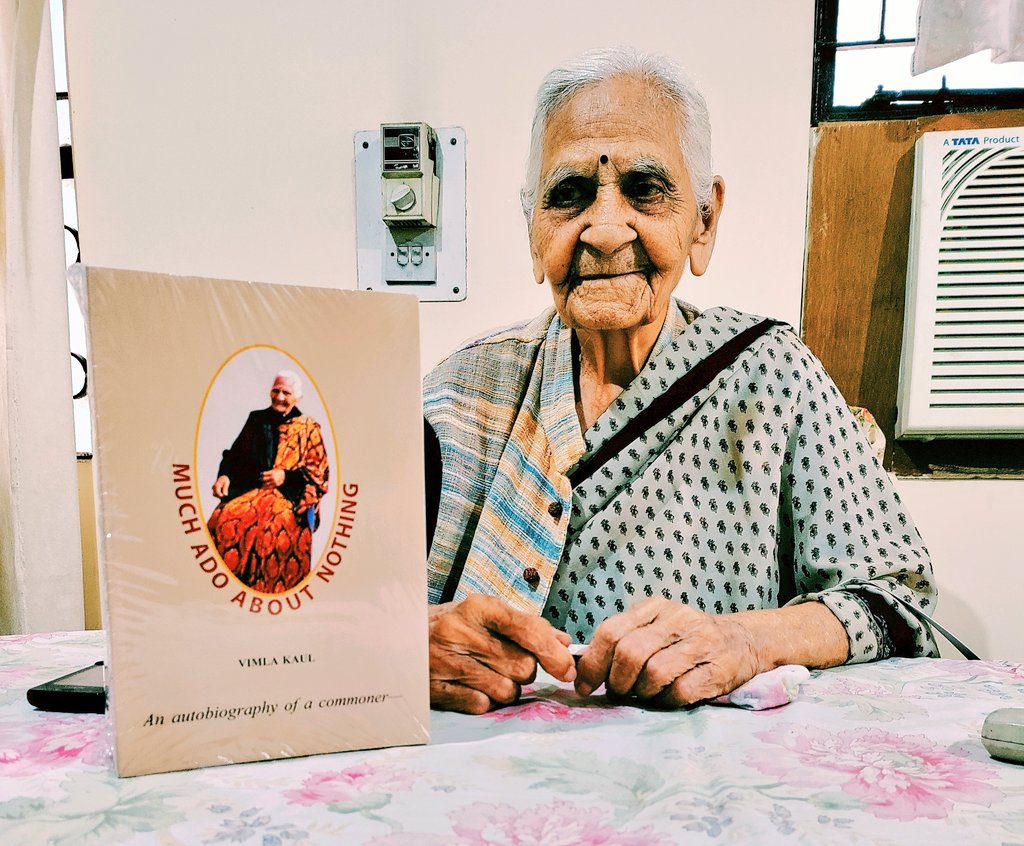
The last assignment you entrusted me with was spreading the word about your autobiography, Much Ado About Nothing. I did.
But yes, I couldn’t carry forward the mantle of leading the NGO or taking charge of the school, Guldasta. I knew I didn’t have the chops for the same or could, in my wildest dreams, match your passion for the cause, dedication to the task and commitment to lead it. I was struggling with my health and withdrew because I thought that was the best way to avoid disappointing you. I failed. And I am sorry.
An African proverb says when an old man dies, a library burns to the ground. And when an old woman dies, I say, a school burns to the ground. This is how I feel writing about everything you meant to me. It is a strange coincidence that you chose to pack off in December, the most important month in your school’s calendar, when you would be right here in the Community Hall for Guldasta’s Annual Day. It is here where we have assembled today to celebrate you but without you.
I will miss your childlike innocence, strength, wit and humour, and life lessons. I will crack up thinking how you had asked me to arrange for a death certificate in advance. Well, that remains unbeatable to date.
Everything about you, my chocolatey lady, as I fondly called you for your love of chocolates and cakes, will be missed by all of us here… Your birthday, which falls on World Chocolate Day, will be another reason to binge on chocolates from 2024 onwards.
Goodbye till we meet again!

The Goodness of the Good Morning Syndrome

It’s more than just a greeting; it’s a reassuring reminder of our enduring connections with friends, relatives, and loved ones. It’s a beautiful manifestation of thoughtfulness and a daily reminder of the special people who enrich our lives in beautiful ways.

For nearly a decade, my day started with a subtle ping, courtesy of a WhatsApp message from my friend M. Like a morning rooster, M would gently nudge me awake with his daily dose of positivity. Yes, I’m a victim of the “Good Morning Syndrome,” and I absolutely adore it!

M’s unwavering dedication to this ritual touched my heart. Rain or shine, holiday or workday, that “Good Morning” message was my daily anchor. It was a heartfelt reminder of our love and connection, and it’s as indispensable as my morning tea and M’s coffee.

Over the years, M’s messages have served as life vests in a world that spins faster than a Beyoncé dance routine, keeping me afloat. They’re a testament to the enduring relationships we two treasure. The regularity created a sense of reassurance. Knowing someone is around, popping off the Whatsapp screen first thing in the morning, is a comforting thought to start the day. A small gesture like this has tremendous bearing; it can uplift spirits, fostering a sense of happiness and well-being.

But what’s the secret sauce that makes this daily “ping” so powerful? It’s not just a greeting; it’s an expression of love, like a warm hug from afar. It shouts, “Hey, I’m thinking of you even before my caffeine fix!” It’s the perfect Dopamine-Oxytoxin-Serotonin-Endorphin overdose in one text to help sail through the mundane day.

These morning messages that trickle on one’s phone aren’t one-size-fits-all. Each is a unique art piece, showcasing the sender’s personality. Some go the image route, some the poetic, but they all add warmth and authenticity to our otherwise screen-dominated lives.

I must confess that in a world where emojis often replace emotions and screens substitute for face-to-face chats, “Good Morning” messages are and will be my lifelines. They remind me that real people exist behind the screens and that our relationships remain steadfast and valued.

In our whirlwind lives, where schedules are tighter than a corset, a simple “Good Morning” packs a punch too. It’s the espresso shot of encouragement we need to kickstart the day. Consistency is the key. It is this daily spadework that builds bonds that withstand time.

Is it love, you ask? Absolutely! Just as pure as the Radha and Krishna in those accompanying images, M’s messages connected us in a way only genuine care can. It’s a daily affirmation that someone wishes you a splendid day ahead, no matter the distance. It’s a digital bridge for long-distance connections, reaffirming that love can’t be measured in miles but in the width of the curve that it eventually brings on the face.

These messages are also golden nuggets of thoughtfulness in a world cluttered with distractions. They uplift spirits, injecting a dose of happiness into our morning routine. They say, “You’re not forgotten in this sea of chaos.” I must confess that the days when M’s message doesn’t pop up (which has been the case lately), it feels like a night of not knowing anything, long, dark, cold and unending. Also, old habits die hard. Knowing one hasn’t been forgotten is a beautiful feeling in a world full of mundane distractions.

The habit of remembering and forgetting can significantly impact one’s being; after all, we are social beings. We thrive on love. A friend asked why I wait for a message and why I don’t send one if the person doesn’t. I did try for a few days but failed. I realised that I am a truant and can’t stick to a routine and do it relentlessly and religiously, unlike others like M. My bad. But I count on each Good Morning message as an opportunity, and I heartily reciprocate the gesture and express my deepest gratitude for having such caring individuals in my life. They make my life beautiful.

The “Good Morning Syndrome” is a beautiful reminder of the special people who enrich our lives and make each day a little brighter. So, let’s raise a virtual toast to this good-for-all Syndrome. It’s a reminder that in our jumbled lives, people genuinely care. It’s a small but powerful way to nurture relationships, spread positivity, and start each day with warmth.

Unearthing Tenderness

“Beneath our anxious quickenings, beneath our fanged fears, beneath the rusted armors of conviction, tenderness is what we long for — tenderness to salve our bruising contact with reality, to warm us awake from the frozen stupor of near-living.”

In the hustle and bustle of our modern lives, we often find ourselves tangled in the web of anxiety and fear. Beneath the surface of our hurried existence lies a longing, a yearning for something deeper, something more profound – tenderness. It is the balm that soothes our bruised souls and the beacon that awakens us from the numbness of mere existence. In this chaotic world, tenderness offers a gentle respite, a reminder of our shared humanity.

Peeling off the Armor

Life is not without its share of challenges and adversities. To protect ourselves from the harsh realities, we sometimes don rusted armours of conviction – beliefs and ideologies that shield us from vulnerability. We wear them like a second skin, afraid to let go for fear of being wounded. Yet, beneath these hardened layers, we yearn for tenderness – the soft touch of understanding and a fellow human’s compassion.

Anxious Quickenings and Fanged Fears

Anxiety often creeps into our minds like an unwelcome guest, gnawing at our peace. We fret about the uncertainties of the future, the judgments of others, and the precariousness of our own existence. Our fears take on fangs, gnashing at our confidence, leaving us wounded and hesitant to embrace tenderness. But if we dare to peer beyond these fears, we’ll find that tenderness can be an antidote to our anxious quickenings, a healing force that binds the broken pieces of our hearts.

The Frozen Stupor of Near-Living

In the relentless pursuit of success and material gains, we may live a life devoid of true meaning. We go through the motions, numbed by the icy grip of routine. Our emotions become frozen, and we lose touch with the essence of our being. In this frozen stupor of near-living, tenderness calls out to us, imploring us to thaw our hearts and embrace the richness of our emotions.

The Healing Power of Tenderness

Tenderness is not weakness; it is strength in vulnerability. It takes courage to let down our guard and connect with others on a deeper, more empathetic level. A tender gesture, a kind word, or a gentle touch can work wonders, healing wounds that may have long been buried beneath the surface. Tenderness nurtures the roots of human connection and fosters a sense of belonging.

Kindling Tenderness Within

We must first kindle it within ourselves to cultivate tenderness in the world. Self-compassion is the seed from which tender empathy grows. By acknowledging our own struggles and treating ourselves with gentleness, we become better equipped to extend the same compassion to others. Tenderness radiates outward like ripples in a pond, touching the lives of those we encounter.

Embracing the Gift of Tenderness

Let us not forget the gift of tenderness in the cacophony of life. It resides beneath the layers of anxiety, fear, and cynicism, waiting to be unearthed. It is a beacon of hope in a world that sometimes seems cold and unfeeling. Let us extend tenderness to ourselves and others, for in doing so, we embrace the very essence of our shared humanity.

So, let us strive to peel off the rusted armours of conviction, confront our anxious quickenings and fanged fears, and thaw the frozen stupor of near-living. In doing so, we allow tenderness to salve our bruising contact with reality and awaken us to the beauty of living fully and compassionately. Let tenderness be our guiding light on this journey of life.

Unravelling Childhood Trauma in an Adult

Childhood is meant to be a time of innocence and joy, but unfortunately, it becomes a period marked by trauma and pain for many individuals. Childhood trauma can impact a person’s emotional and psychological well-being, shaping their relationships and self-perception. In this blog post, we will delve into the concept of childhood trauma, its potential causes, and ways to identify someone who may have experienced it.

What is Childhood Trauma? Childhood trauma refers to a distressing event or series of events that occur during childhood and profoundly impact a person’s development. These experiences can vary widely and may include physical, emotional, or sexual abuse, neglect, losing a loved one, witnessing domestic violence, or exposure to substance abuse.

The Impact of Childhood Trauma: Childhood trauma can have far-reaching consequences that extend well into adulthood. When a child’s safety and emotional well-being are compromised during their formative years, it can disrupt their ability to form healthy attachments, manage emotions, and build trust in others. As a result, they may develop maladaptive coping mechanisms and struggle with intimacy, vulnerability, and self-worth.

Begging for Love: One of the tell-tale signs of childhood trauma is seeking love and validation from individuals who are emotionally unavailable or incapable of reciprocating genuine affection. Survivors of trauma may unconsciously gravitate towards relationships that mirror their early experiences, hoping to rewrite their past by gaining the love and acceptance they were denied as children.

Genesis of Childhood Trauma: The roots of childhood trauma are often found in dysfunctional family dynamics, adverse childhood experiences (ACEs), and exposure to ongoing stress or adversity. As identified by the CDC-Kaiser Permanente Adverse Childhood Experiences Study, ACEs include physical, emotional, or sexual abuse, neglect, parental substance abuse, mental illness, divorce, or domestic violence.

Spotting Someone with Childhood Trauma: Identifying someone who has experienced childhood trauma can be challenging, as survivors often conceal their pain behind a façade of strength. However, certain signs and behaviours may indicate the presence of unresolved trauma, including:

  1. Avoidance of emotional intimacy or difficulty in forming close relationships.
  2. Hyper-vigilance and a constant sense of danger, even in safe environments.
  3. Low self-esteem and a belief that they are unworthy of love and care.
  4. Frequent outbursts of anger or extreme emotional reactions to minor triggers.
  5. Engaging in self-destructive behaviours, such as substance abuse or self-harm.
  6. Re-experiencing traumatic memories through flashbacks or nightmares.
  7. Difficulty regulating emotions and coping with stress.

Healing and Recovery: Recognizing and acknowledging childhood trauma is the first step towards healing and recovery. Professional help through therapy, counselling, or support groups can provide a safe space for survivors to process their emotions, learn coping strategies, and rebuild their self-esteem.

Childhood trauma casts a long shadow over an individual’s life, shaping their perceptions, behaviours, and relationships. By understanding the genesis of childhood trauma and recognizing the signs, we can offer support and compassion to those who have experienced such hardships. Healing from childhood trauma is a journey that requires patience and understanding. Still, with the right resources and support, survivors can find their path to recovery and ultimately lead fulfilling lives.

The power of valuing yourself… because you’re worth it!

In a world where external validations often take center stage, it’s easy to overlook the most crucial source of validation – our own self-worth. Valuing yourself is not just a matter of self-esteem; it’s a transformative force that can significantly impact how you interact with the world and how it responds to you.

The Secret of Self-Value:

When you see yourself as valuable, a subtle but powerful shift occurs in your aura. People around you can subconsciously sense this newfound self-assurance and self-respect, which inevitably demands respect in return. Embracing your worth sets the foundation for healthier relationships, personal growth, and professional success.

Commanding Respect:

The magic of self-value lies in its ability to effortlessly alter how you project yourself to others. As you recognize your inherent worth, your voice gains authority, and your words become more persuasive. Your body language naturally exudes dominance, without you even consciously trying to do so. This shift in energy commands respect from those around you, leading to more meaningful interactions and collaborations.

Attracting Positive Vibes:

Believing in your high value creates a magnetic aura that draws positive energy towards you. Confidence and self-assurance act as beacons that attract like-minded individuals, opportunities, and experiences. As you embody your self-worth, you’ll be surrounded by supportive people and situations aligning with your goals and aspirations.

Unleashing Your True Potential:

When you fully embrace your value, you unleash your true potential. Taking risks, pursuing your passions, and stepping out of your comfort zone becomes easier. The fear of judgment or failure diminishes, allowing you to grow and evolve. The world becomes your canvas, and you fearlessly paint your life with the colors of your dreams.

Embracing Self-Value:

The beauty of valuing yourself lies in its simplicity. It starts with a single thought deeply rooted in your mind – “I’m high value.” This belief forms the cornerstone of your self-confidence and self-esteem. When you genuinely recognize your worth, you no longer seek external validation to feel complete. You become self-reliant, empowering yourself to navigate life’s challenges with resilience.

The Ripple Effect:

Valuing yourself has a ripple effect that touches your life and the lives of those around you. As you cultivate self-love and self-respect, you become an inspiration to others. Your growth journey becomes a beacon of hope for those seeking the same transformation, encouraging them to embark on their path of self-discovery.

The importance of valuing yourself cannot be overstated. Embrace your worth, for it is the key to unlocking the doors of possibility and leading a fulfilling life. As you radiate self-assurance and self-respect, you become a force to be reckoned with – a force that inspires, uplifts, and transforms yourself and the world around you. Remember, you are high value, and the world is ready to witness the brilliance within you. Embrace it, and watch your life soar to new heights.