Monthly Archives: February 2021

EU Prize for Literature laureates & European industry professionals in the spotlight at JLF2021 and Jaipur BookMark

European Union to participate for the first time as Festival Partner at India’s biggest literary event; EU and India build on well-established literary ties to enhance cultural cooperation.

Brussels, Belgium, February 17, 2021: Described as the ‘greatest literary show on Earth’, the Jaipur Literature Festival is a sumptuous feast of ideas and inspiration. From 19th to 28th February 2021, the Festival returns with it’s 14th edition – fully virtual – featuring famous writers and curated for audiences across the world.

The European Union will participate at the Jaipur Literature Festival for the first time as a Festival Partner through an extensive programme curated by the Cultural Relations Platform (an EU-funded initiative) and the Delegation of the European Union to India. Renowned European writers and winners of the European Union Prize for Literature (EUPL), representing six Member States and partner countries, will be conducting literary exchanges with their Indian peers including authors, journalists, and opinion makers.

During the two weekends of the Festival (19-21 and 26-28 February), four European Prize for Literature laureates will take part in extensive conversations with Indian counterparts and interact with international audiences. The authors – Kevin Barry (Ireland), Meelis Friedenthal (Estonia), Rodaan Al Galidi (the Netherlands), and Adam Foulds (UK) – representing some of the most talented writers in Europe, will showcase the depth of the continent’s contemporary literature at South Asia’s biggest literary festival.

Next to the Festival’s main programme, the European Union will also support encounters between literary professionals from Europe and India as part of the Festival’s B2B wing – the Jaipur BookMark (JBM). Three sessions will be supported by the EU and address themes including literary translation, current trends in international publishing markets, and the transnational circulation of literary output. EUPL laureates Matthias Nawrat (Germany) and Selja Ahava (Finland), and key industry stakeholders representing the Federation of European Publishers, Latvia, Greece, and Finland will engage with counterparts from the Indian publishing industry.

The initiative is supported by the European Union and the Cultural Relations Platform with the aim of strengthening international cultural relations and stimulating collaborations as outlined in the EU Strategy for International Cultural Relations and the New European Agenda for Culture 2018 . It is co-organised by the Cultural Relations Platform (an EU-funded project), the Delegation of the European Union to India, and Teamwork Arts (India). This collaboration is an extension of longstanding EU-India creative sector exchanges – and will mark the fourth consecutive year that the EUPL will be represented at India’s most high-profile literary events.

Speaking of growing EU-India artistic and cultural ties, H.E. Ugo Astuto, Ambassador of the European Union to India and Bhutan, welcomed this collaboration, remarking that, “The EU is committed to fostering an environment conducive to greater creative exchanges with India. With our participation in the Jaipur Literature Festival and the Jaipur BookMark, we wish to strengthen the EU’s position as a major cultural partner of India, recognizing the importance of inter-cultural dialogue as a key element of our partnership.”

Sharing his enthusiasm Sanjoy K Roy, Managing Director, Teamwork Arts producer of the Jaipur Literature Festival said, “We are delighted to partner with the European Union and European Union prize for Literature and explore the rich writing from this region and strengthen our focus on translations and bringing to the fore the best writers from across the world during the Jaipur Literature Festival.

Agenda

Friday 19 February; 3pm IST / 10:30am CETJLF 1st panel:  Adam Foulds in conversation with Elaine Canning
Monday 22 February; 4:45pm IST / 12:15pm CETJBM Session 1: European Union Prize for Literature: Writing from across Europe
Wednesday 24 February; 6pm IST / 1:30pm CETJBM Session 2: Extending the Novel: Fiction, non-fiction, translation
Thursday 25 February; 4:45pm / 12:15pm CETJBM Session 3: Publishing Market: International exchange
Friday 26 February; 4pm IST / 11:30am CETJLF 2nd panelMeelis Friedenthal in conversation with Malashri Lal
Saturday 27 February; 5pm IST / 12:30pm CETJLF 3rd panelRodaan Al Galidi and Jonathan Reeder in conversation with Neeta Gupta
Sunday 28 February; 4pm IST / 11:30am CETJLF 4th panelKevin Barry in conversation with Cauvery Madhavan

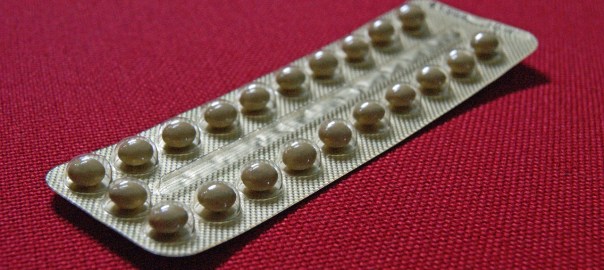
Five misconceptions about contraceptive pills busted

Dr Neha Bothara explains how the birth control pill is safe, affordable and effective when used correctly.

There are many risks that myths and misconceptions around oral contraceptive pills can bring along. For example, unfounded concerns or false perceptions deter men and women from using a particular contraceptive method or contraceptive altogether. It can ultimately lead to unwanted pregnancies and unnecessary physical as well as mental harm to the woman. However, with the right amount of education, women can easily have a healthy sexual and reproductive life.

The biggest advantage of oral contraceptive pills is that they are effective and have a very low failure rate when used correctly; other benefits include regular menstrual cycles and lighter flow. However, taking one pill daily can seem tedious for some women and can also lead to missed pills which add to the failure rate. Therefore, women need to take responsibility for their reproductive health while consuming contraceptive consciously and carefully. All women must consult a gynaecologist before starting any new contraceptive, especially pills.

Learn the truths about 5 contraceptive myths that you should not believe:

ALL CONTRACEPTIVE PILLS LEAD TO WEIGHT GAIN: First generation contraceptive pills caused some temporary weight gain related to fluid retention in the body. However, newer formulations do not cause weight gain, rather they help with weight loss in patients who have Polycystic Ovary Syndrome (PCOS) along with other benefits.

CONTRACEPTIVE PILLS LEAD TO ACNE OR ABNORMAL HAIR GROWTH: Newer contraceptive pill formulations with different progesterone components, reduce testosterone concentration and reduce the incidence of acne in patients with PCOS.

IT IS ALL RIGHT TO MISS ONE OR MORE PILLS IN THE CYCLE: Missing pills during the cycle should not be taken lightly. It can lead to unexpected pregnancy due to contraception failure. Moreover, it can also cause spotting or mid-cycle bleeding to begin. One must always consult a gynaecologist if one or more pills have been missed to learn about what all precautions are to be taken in such an instance, and how to make sure unexpected pregnancies do not happen.

CONTRACEPTIVE PILLS DAMAGE FERTILITY: There is no evidence that contraceptive pills have an adverse impact on fertility. They only prevent ovulation and pregnancies.

BIRTH CONTROL PILLS CAN BE STARTED WITHOUT ANY PRIOR EVALUATION OR RISK ASSESSMENT: Birth control pills are generally safe, but some people who have certain risk factors like having a genetic tendency for blood clot formation, or those who are obese or who smoke might not be suitable candidates for contraceptive pill use. Hence, one must always consult a doctor and get a risk evaluation before starting Oral Contraceptive Pills (OCP). Having said that, lots of confusion information is available on the internet, it tends to create fear among women. Here is what you can do to debunk these doubts.

  • Getting the right information about contraceptives is crucial. The best way to get the correct information is through a medical resource coming from government websites, from international health organizations or from a hospital website.
  • Discuss your concerns with your Ob-Gyn about the use of any contraceptive method. Not every method suits everyone, and making an informed choice helps in finding the best fit for you and your partner.
  • Many of the myths associated with the birth control pill do not apply to every person. Each one of us is different, and only you and your doctor can determine whether the pill (and which pill) is right for you. Be sure to ask your doctor any questions you have and discuss your concerns.

(Dr Neha Bothara is Consultant Gynecologist & Obstetrician, Fortis Hiranandani Hospital, Vashi).

Distance no bar if a couple knows how to make it work

Communication remains the key to bridge the geographical separation between a couple and help them stay connected with each other.

Mr X and Ms Y, a young couple were dating each other for two years when suddenly due to career commitments, Ms Y had to move to a different city. This is a familiar situation for many couples today, as career, personal and professional growth, as well as family commitments, make them get into ‘long-distance relationship’. With people connecting online, long-distance relationships are prevalent. A 2018 survey of long-distance couples found that while 27% had never lived near each other, about 50% of couples in the survey had met each other online.

A long-distance relationship is a phase where people are geographically distanced from each other, and work to overcome the physical distance by being connected virtually. Initially, Ms Y was very apprehensive about the prospect of staying away from Mr X. Negative thoughts and the questions that people would ask her like “How can you stay away from him?” and “He will find somebody better than you!” plagued her.

The most important thing that Ms Y and Mr X did was communicate with each other. Before going ‘away’ they spoke a lot, they understood each other’s situation, perspective and promised to not breach their trust in each other. A few coping mechanisms that any Mr X and Ms Y can use to nurture a long-distance relationship are as follows:

MUTUAL ACCEPTANCE: First and foremost, accept that the person is not going to be around you physically, and also acknowledge the reasons behind getting into this phase; the variable reasons could be a job switch, financial needs, family circumstances, etc. Acceptance would make the couple sail through the phase smoothly.

COMMUNICATION: It is always suggested to talk about things with each other. Communication becomes a key aspect when people are in a long-distance relationship. However, one needs to understand that there is some leeway that needs to be given. Communicate because you feel like it and do not force yourself into it. Sharing things about each other’s day can help in maintaining a crucial connection even from afar.

USING TECHNOLOGY IN DIFFERENT WAYS: It is an excellent idea to use technology to your advantage such as making a video call, writing an E-mail, surprising through letters, online gifting to keep the spark alive in the relationship.

DOING ACTIVITIES TOGETHER: There is a need to explore and experience things together when people are in a relationship, but for some, it becomes difficult when there is a geographical distance. However, doing some activities together like watching a movie at the same time, virtually cooking together, or exploring one’s day virtually could help the couple sail through

MAINTAINING TRUST BEYOND THE DISTANCE: Even if there is a physical distance, attachment, and emotional connection can be sustained effectively. Trusting the partner becomes an important aspect of the relationship, whether long-distance or face to face. Try giving the virtual and personal space to each other, respecting, and accepting the changes. Try and avoid linking all the issues and concerns to physical distance.

Getting into a long-distance relationship is a unique phase that people go through; however, keeping in mind certain things, it can be managed effectively. As there can be times when things can be overwhelming and emotionally disturbing, self-care is important, including taking both physical and mental care of oneself.

(This article has been written by Dr Hirak Patel, Counselling Psychologist, Fortis Hospital, Mulund.)

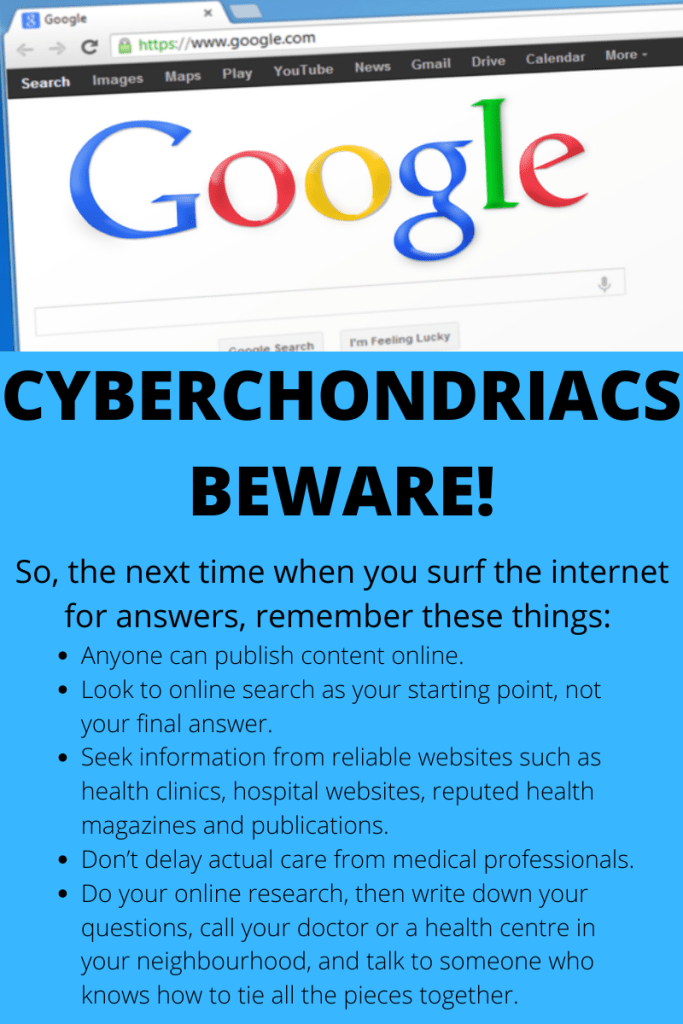
Do you turn to the internet for diagnosis? If yes, then you are a cyberchondriac.

New Delhi, February 5, 2021: Having a headache or a sore throat or indigestion, how many times have you turned to the internet to get a diagnosis? Do you have the habit of searching the internet at the first sign of a niggle? Well, you might be suffering from cyberchondria. The term was coined by a British newspaper in the early 2000s as a play on the word hypochondria. Like hypochondria, cyberchondria refers to a person’s anxiety about their health that is created or exacerbated by using the internet to search for medical information. 

The digital revolution has changed many aspects of our lives, especially in the way we source health-related information, as it is easily and freely available. In the earlier times, 1 out of 10 patients used to seek health information on the internet, but today, that number has changed to 9 out of 10 people seeking health information online before visiting a doctor. Many even believe that the internet has all the answers to their health problems. Ironic indeed! But that is how people surf the world of web, in pursuit of a definite health solution or a diagnosis.

A recent Google trend report on how Indians surfed the web in the past year has some shocking revelation. According to Google trends, “How to make coronavirus vaccine at home? And how to improve immunity against COVID?” were some of the top trending searches on the internet in India, followed by questions around food to eat to build immunity, plasma therapy, COVID symptoms, home remedies for COVID, etc. This indicated that people are all willing to take a chance on self-treatment and self-diagnosis. But is this worth the shot?

RISK OF MISDIAGNOSIS, OVER-DIAGNOSIS OR UNDER-DIAGNOSIS: More often than not, self-diagnosis on the internet always points towards something more frightening. It can lead to misdiagnosis or over-diagnosis. For example, if you search for ‘headache’, you are likely to find around 20 results showing the different interpretation of headaches, each scarier than the other. There are chances that your headache may be something small, but the internet search shows signs of a cancerous tumour or some other neurological problem. In the bargain, you will freak out, and this may cause a high level of stress. Moreover, self-medication involves pharmacological risks that can result in severe adverse reactions. Sometimes, you would even under-diagnose yourself, which could have a severe long-term impact on the quality of life or worse, death.

SYMPTOMS OF A CYBERCHONDRIAC: According to experts, lately, cyberchondria is becoming a growing problem as people resort to finding out what the internet has to say about their health and wellbeing. People having cyberchondria tend to misinterpret regular bodily changes and minor physical symptoms as signs of severe illness or disease. For many people living with health anxiety, fear can become so severe that it interferes with work and relationships.

SEEKING HELP FROM A MEDICAL PROFESSIONAL IS THE RIGHT WAY: Many times, we come across patients with a whole list of questions about their symptoms and medical condition. Some patients come with a diagnosis they have already arrived at by using the internet. And some, come with lab reports and medical investigations, also a result of online searching. Of course, we would call them empowered patients, but quite often, these people display a lack of trust in the health advice offered by doctors. We must understand that no technology or internet search can completely replace professional medical help. By doing so, you are inadvertently putting yourself at risk of anxiety and incorrect diagnosis and will spend more money on healthcare.

‘SEARCH IT’ THE RIGHT WAY: Using search engines to gain knowledge about health topics is not wrong but checking the source of information is very important. Information on these websites and apps should be viewed very cautiously as they don’t know your medical history or actual symptoms. The suggestions they make are not made by medical practitioners but are actually key-word based.

Remember, the internet is just a channel through which you can gain information, but the actual empowerment comes when you use that information wisely and not rashly.

(The article has been authored by Dr Sanjay Shah, General Physician & Dr Pradip Shah, General Physician, Fortis Hospital, Mulund.)

Women should get regular pap smear test every 3 yrs to prevent cervical cancer

New Delhi, February 4, 2021: Cervical cancer is the cancer of the cervix which is the lower part of the uterus that connects to the vagina. Most cervical cancers are caused by the Human Papilloma Virus (HPV), a sexually transmitted infection, that also cause genital warts. 

About 25% of all global deaths due to cervical cancer occur in India and this form of cancer forms 16.5% of the total cancer cases in Indian women. It is estimated that about 160 million women between the ages of 30 and 59 years are at risk of developing cervical cancer in India, with 96,922 new cases registered in 2018 alone. The reason for this difference is lack of effective screening and access to timely treatment.

But most women are not aware of the right age to start screening for cervical cancer. Many assume that it is best done after the age of 40; but that is not true. Women can get regular pap smear test every three years starting at 21 years. Do all women need to test themselves? Ideally, women between age of 25 to 65 years should receive an HPV test once every five years. As cervical cancer is silent, it takes a long time to manifest. Therefore, it is paramount that women learn about cervical cancer and test themselves regularly.

SYMPTOMS OF CERVICAL CANCER: Early-stage cervical cancers do not show any signs or symptoms in most cases, but there are some symptoms that every woman should be aware of:

  • Vaginal bleeding after intercourse, between periods or after menopause
  • Watery, bloody vaginal discharge that may be heavy and have a foul odor
  • Pelvic pain or pain during intercourse

SCREENING AND DETECTION: Screening helps detect cervical cancer and the pre-cancerous cells that may develop into cancer eventually. This is done using Pap Smear and HPV DNA Test. Detection of cancer would involve physical examination by the doctor using a colposcope and biopsy to confirm the diagnosis.

PREVENTION OF CERVICAL CANCER:

Ask your doctor about the HPV vaccine: Receiving a vaccination to prevent HPV infection may reduce your risk of Cervical Cancer and other HPV-related Cancers. The vaccine is ideally given before the first sexual contact for maximum protection (ideally between the age of 15-26 years).

Have routine Pap tests: Pap tests can detect pre-cancerous conditions of the cervix, so they can be monitored or treated to prevent cervical cancer.

Practice safe sex: Reduce your risk of cervical cancer by taking measures to prevent Sexually Transmitted Infections, such as using a condom every time you have sex, and limiting the number of sexual partners.

Do not smoke: If you don’t smoke, don’t start. If you do smoke, talk to your doctor about strategies to help you quit.

HOW TO PREPARE FOR YOUR PAP OR HPV TEST? You should not schedule your test for a time when you are having your period. If you are going to have a test in the next two days:

  • Do not douche (rinse the vagina with water or another fluid)
  • Avoid a tampon
  • Avoid sex
  • Do not use a birth control foam, cream, or jelly
  • Do not use a medicine or cream in your vagina

Above all, all women should talk to their doctors about cervical cancer and decide on an appropriate screening schedule. For women at high risk for developing cervical cancer, screening is recommended at an earlier age and more often, than for women who have an average risk of cervical cancer.

Healthy eating habits can help reduce cancer risk

By Shweta Mahadik

It is no secret that a healthy lifestyle can help reduce the risk of cancer in many ways. Research shows that many types of cancers are linked to lifestyle behaviours, including unhealthy eating patterns and a lack of physical activity. A healthy lifestyle can also help positively support treatment and recovery if you are diagnosed with it.

TO BEAT CANCER:

  • Include fruits and vegetables such as oranges, berries, pineapple, sweet lime, lemon, amla, broccoli, cabbage, collard greens, kale, cauliflower and brussels sprouts, etc. Add whole-grains such as whole wheat, oats/oatmeal, rye, barley, brown rice, millets, high-fibre foods, vegetables, and legumes (beans) to your plate.
  • Consume good amount of protein like cow’s milk and its products, legumes, pulses, whole grains, egg whites, poultry and fish.
  • Eat foods rich in Omega-3 Fatty Acids like fish, especially oily fish (sardine, mackerel, tuna, salmon, herring, trout), almonds, walnuts, and flaxseeds. Prefer cooking methods such as broiling, boiling, stewing, grilling, baking, roasting rather than frying.

ENERGY-RICH FOODS THAT ARE A MUST-HAVE:

  • Antioxidants: Antioxidants protect cells from damage caused by free radicals known as ‘unstable molecules’. Some of the examples of antioxidants include Beta-Carotene, Lycopene, Vitamins C, E, and A, etc.
  • Omega 3 rich foods: Omega-3 PUFAs present in nuts, oilseeds, flaxseeds, sesame seeds, pumpkin seeds, sunflower seeds, fish like salmon, tuna, and herring etc., plays an essential role in cell signalling and in the cell structure and fluidity of membranes. They participate in the resolution of inflammation and have anti-inflammatory and antinociceptive effects
  • Garlic: Some clinical studies found that regular consumption of garlic in our diet helps with DNA repair, slow the growth of cancer cells and decrease inflammation as garlic is rich in Allicin i.e. soluble Allyl Sulphur compounds which is responsible for many cancer-fighting properties. Several functional foods showed anti-cancer activity via scavenging free radicals e.g., garlic, broccoli, green tea, soybean, tomato, carrot, cabbage, onion, cauliflower, red beets, cranberries, cocoa, blackberry, blueberry, red grapes, prunes and citrus fruits.
  • Bitter melon: Bitter melon is a widely consumed vegetable all over the world that comprises of several bioactive components such as Polyphenols, Flavonoids & Saponins, and has been reported to possess anti-cancer potential.
  • Wheat Bran: Wheat Bran is abundant in a variety of healthy phytochemicals such as phenolics, flavonoids, glucans and pigments and has been observed to evince noticeable anti-cancer activity.

Apart from diet, it is important that cancer patients maintain a healthy weight, increase physical activity, make healthy food choices, and stay happy in mind and body.

(Shweta Mahadik is Dietitian, Fortis Hospital, Kalyan)